
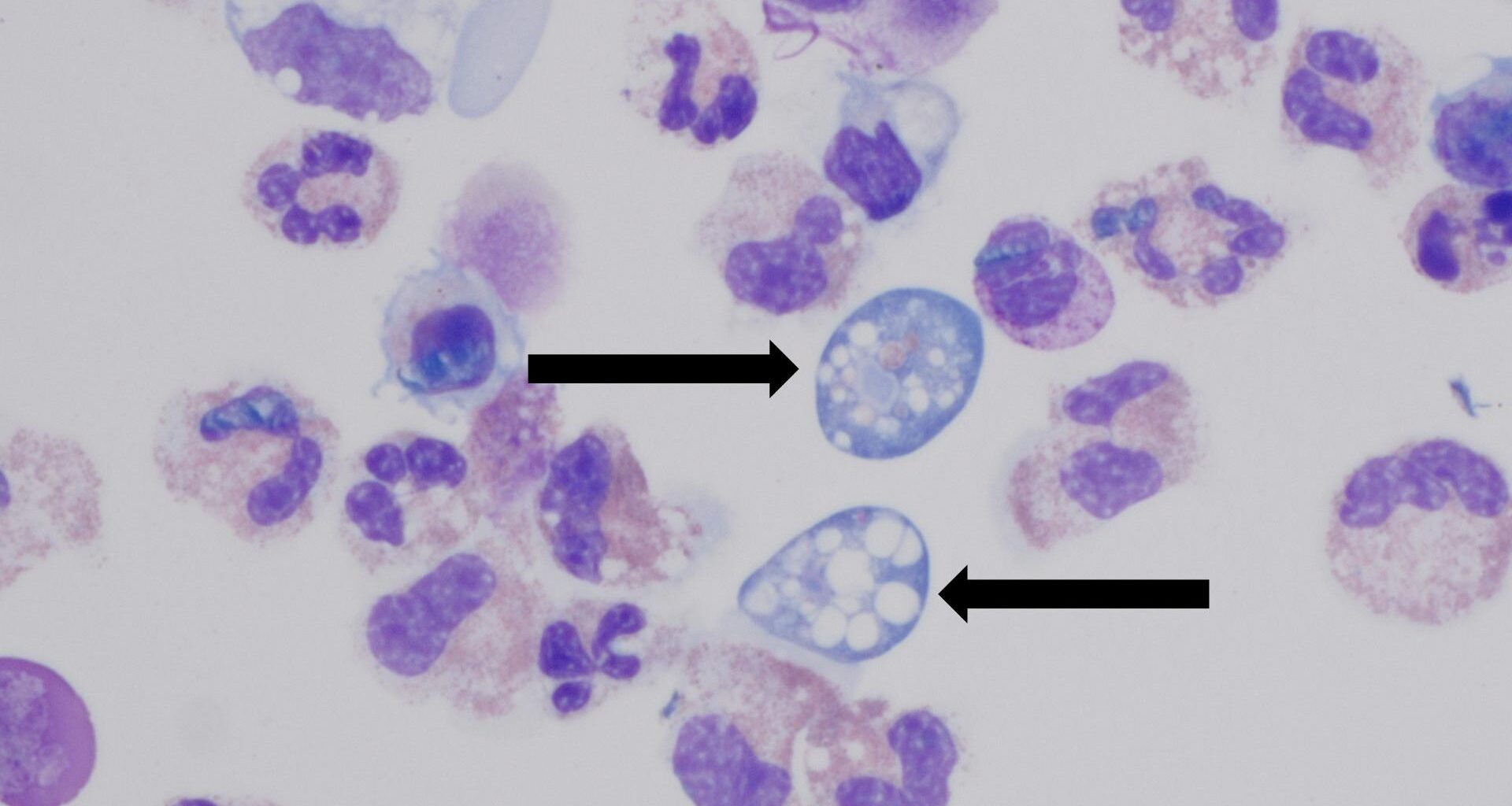
Testing shows that the teen who died Aug. 31 likely became infected from a community water feature, the state health department said.
WASHINGTON — A North Carolina teenager who died last month from a brain-eating amoeba likely was infected by a water feature at a community center, according to the state health department.
The teen contracted a severe illness caused by Naegleria fowleri, a rare flesh-eating amoeba, and died on Aug. 31. This amoeba is commonly found in warm freshwater environments, such as ponds, lakes and rivers, but it is not present in saltwater or in properly maintained, chlorinated swimming pools.
The N.C. Department of Health and Human Services said on Wednesday that testing showed a water feature at a community organization in Durham, North Carolina, was the likely source. That water feature, which tested positive for the amoeba, has been closed.
The teen reportedly had contact with the water feature, including splashing water on his face, the health department said.
“These infections are extremely rare, but they can occur when contaminated water enters the nose during water activities,” the state health department said. “People are encouraged to take precautions when enjoying warm freshwater and to use only distilled water for nasal rinsing.”
The Alamance-Burlington School System identified the teen who died as Moises Ponce Mendoza. He was a rising 10th grade student at Williams High School in Burlington, N.C., according to WFMY.
Typically, fewer than 10 people a year in the United States contract Naegleria fowleri. According to the Centers for Disease Control and Prevention, there have been 180 cases of the amoeba infection between 1937 and 2025. The illness is most commonly contracted in July and August and most frequently impacts boys ages 5 to 14.
The teen’s death came less than a month after Louisiana parents announced that their 8-year-old daughter, Lillian Smart, died after contracting the same type of brain-eating amoeba while swimming in the state’s Lake Claiborne. Lillian died about nine days after her family identified symptoms.
This article includes previous reporting by Hank Lee (WCNC).