

EDITOR’S NOTE: Call to Earth is a CNN editorial series committed to reporting on the environmental challenges facing our planet, together with the solutions. Rolex’s Perpetual Planet Initiative has partnered with CNN to drive awareness and education around key sustainability issues and to inspire positive action.
In Japanese forests, damage from a bear’s claw can cost a tree its commercial value. But in Takuya Tsutsumi’s private studio, it becomes the raw material for art and furniture, and, perhaps, a reason to care about the animals behind it.
Bears have become one of Japan’s most contentious and feared wild animals. Causing 13 deaths and more than 220 injuries between April 2025 and March 2026, the wild animal has been defined as “a serious threat to public safety and peace” by the Japanese government, has forced the reallocation of local resources in a time of difficult economic recovery, and disrupted businesses.
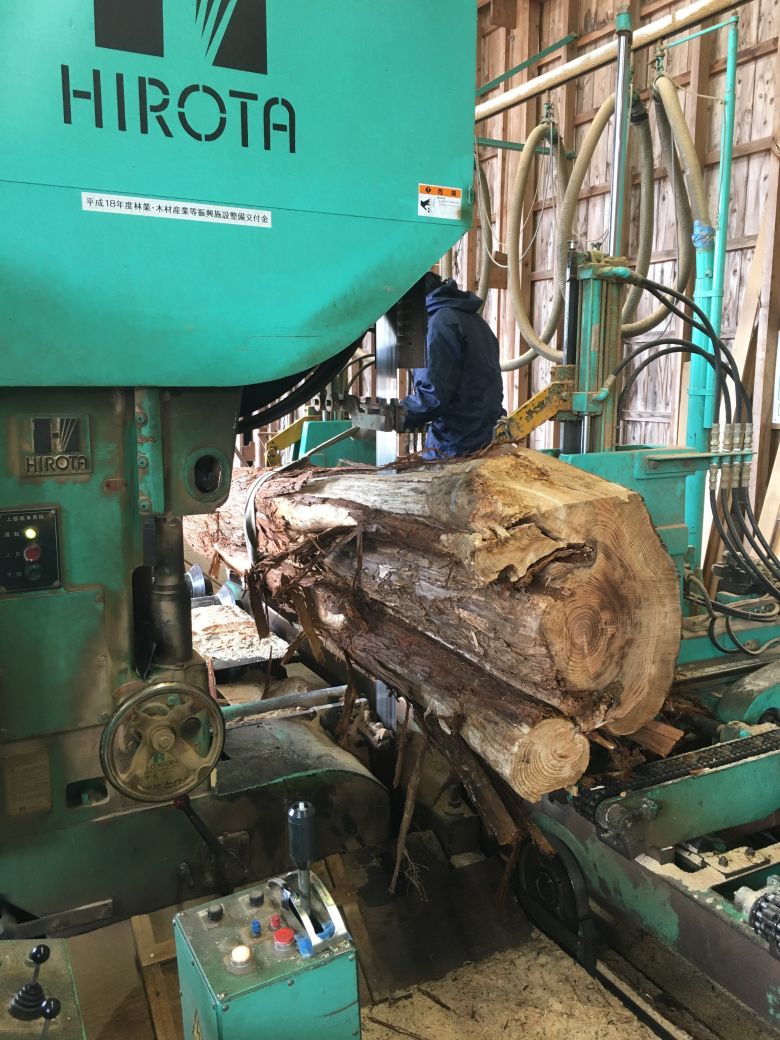
The timber industry has felt the impact more than most. This is due to kumahagi or “bear stripping.” After waking from hibernation, bears strip the bark of trees, looking for the running sap and nutrients beneath it. If the tree survives, the wood grows irregularly around the exposed trunk, creating an uneven grain that sawmills struggle to cut into straight, standardized lumber.
As a result, the wood often falls outside the specifications required for its original purpose, said Japanese traditional lacquerer Tsutsumi. He is the fourth-generation owner of Kyoto-based Tsutsumi Asakichi Urushi Inc., a family-run manufacturer focusing on the 10,000-year-old art of using natural resin, or urushi, to add a glossy finish to pieces.
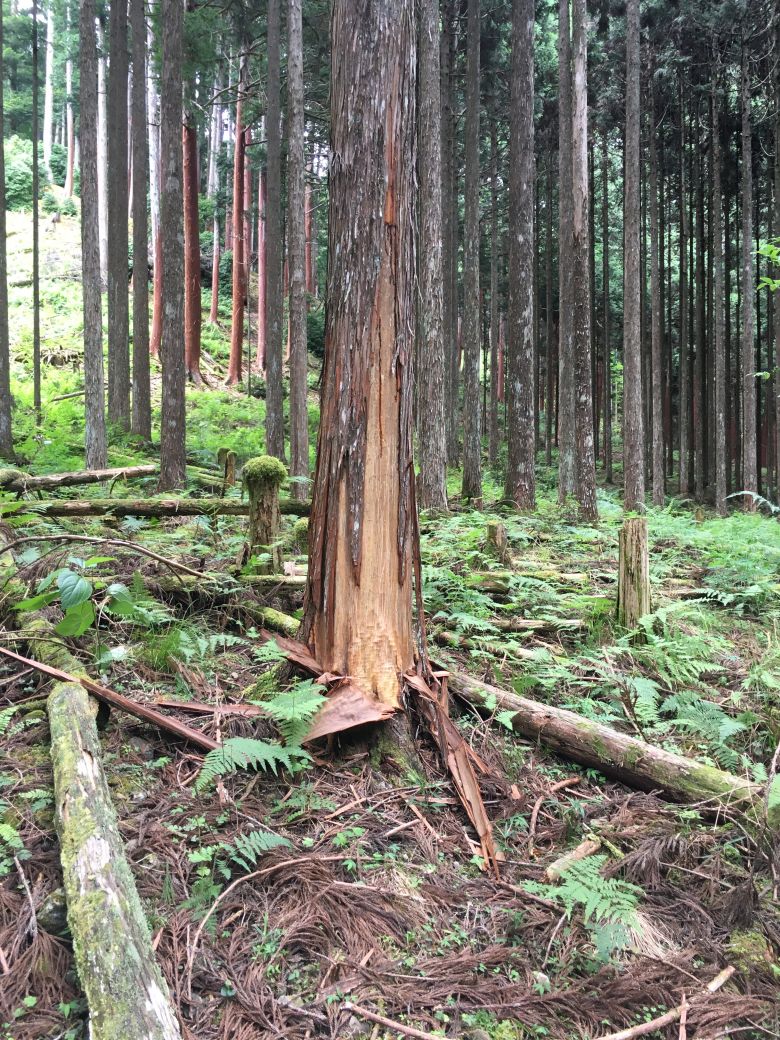
He has watched the bear problem escalate, driven by a surge in bear numbers, reducing human presence in the forests which causes bears to lose their fear of people, and climate change, which is is interfering with the growth of some foods that make up bears’ natural diet.
“A standard Japanese cedar tree will lose a minimum of 25% of its value if damaged by bears,” Tsutsumi told CNN. “But even when these parts are sawn, some more internal damage, distortion, or discoloration might be discovered later on, leaving the manufacturer with half of what they paid for, sometimes even less. In many cases, these damaged trees are reduced to wood chips for paper or fuel.”
For Tsutsumi, the damage goes further than the economic toll. “Bears tend to target large, healthy, high-quality trees that have been carefully grown for 60 to 80 years,” he said. “The loss also becomes an emotional one, as people cared for these trees sometimes for generations.”
The timber industry is already grappling with a shortage of workers, Tsutsumi said, which makes it especially vulnerable to the issue. He believes these pressures have helped fuel the backlash against bears and the push for culling.
“When bears are featured on Japanese television or social media, the discussion is often negative, focusing on ideas such as ‘danger’ and ‘culling,’” Tsutsumi said. “At our scale, we want to promote a different perspective: rather than thinking of whether bears should be killed, we ask how we can rebuild an environment in which people and bears coexist.”
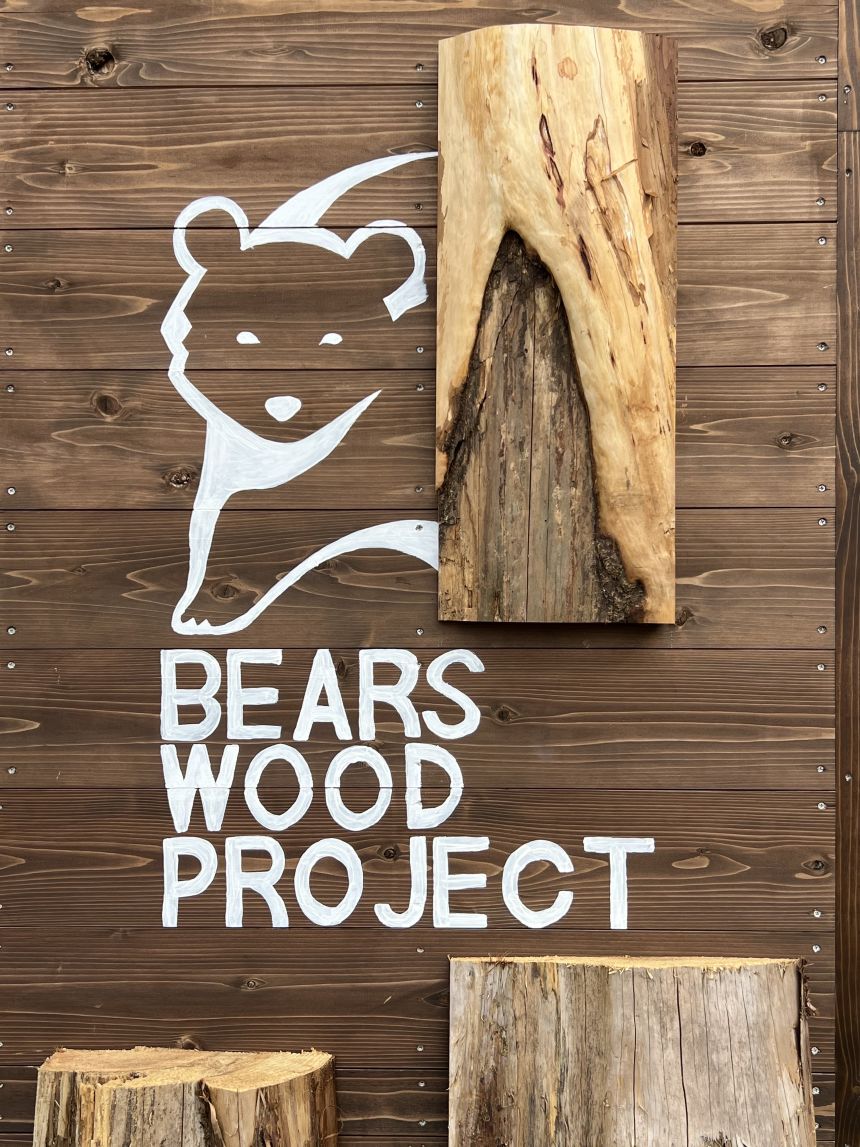
In 2022, Tsutsumi launched the “Bears Wood Project,” an initiative that serves not just as art but as a conversation starter. The concept is simple: saving decades-old, damaged trees from the wood chipper and, with the glossy properties of urushi, transforming them into precious artifacts that invite people to appreciate the bear’s touch.
“Urushi transforms the ‘flaws’ of kumahagi-damaged wood into something beautiful and valuable,” he said. “Rather than hiding the uneven surface or distorted grain, applying layers of urushi brings out these unique characteristics. In fact, the more irregular the material is, the more the craftsmanship can bring out its individuality.”
This project, highlighting the aesthetic value of kumagahi, also underscores its positive impact on the forest’s biodiversity.
“Dead and decaying trees are an important part of forest ecosystems, providing habitat and food for insects, fungi and other organisms, as well as contributing to the structure of the forest floor as they eventually fall and decompose,” Liam Adcock, a researcher at the Picchio Wildlife Research Center in Japan, told CNN.
“There is also the potential for damaged trees to develop hollows over time. Tree cavities are particularly valuable for some wildlife, and Japan has some very specialized species that rely on old trees and cavities.”
He mentioned the endangered Blakiston’s fish owl, a species strongly associated with large mature trees with cavities for nesting, with only 150 specimens left in Japan.
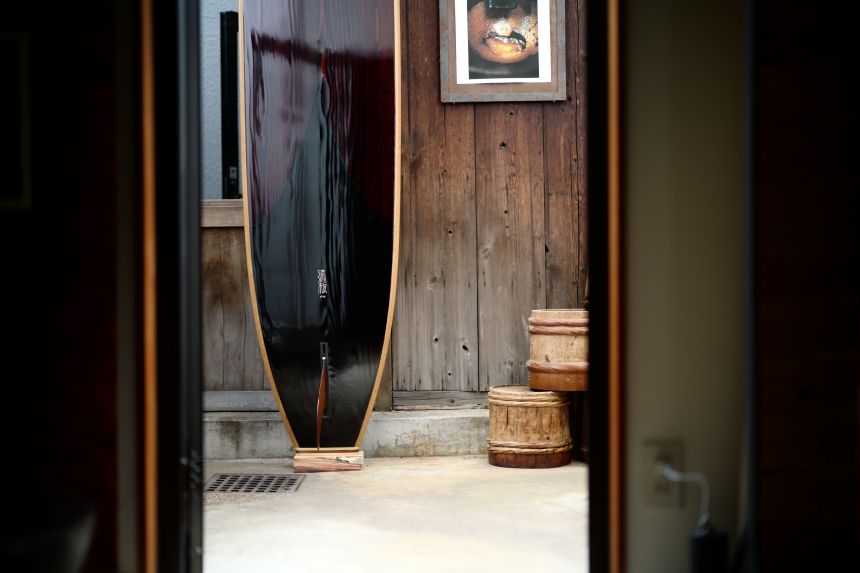
Through Tsutsumi’s surfboards, skateboards, bouldering holds — shaped grips for climbing walls — tattoo studio signs, chairs, and even home renovation materials, wood touched by bears has found new life — and a bit of hype along the way.
The company sells the finished pieces at its Kyoto shop and hosts workshops where participants can learn about Japanese Asiatic black bears and how conservation can start with a single piece of wood. Since the project launched, it has organized over a dozen such sessions, welcoming people of all ages to “think more deeply about the relationship between people and nature.”
“(With this project), we want people to experience the forest and the wood for themselves and think about how bears, people, forests, and our everyday lives are all connected,” Tsutsumi said. That connection, he believes, is what makes people care.
He’s already seeing its impact. “People who purchase products made from ‘bear wood’ are also often attracted not simply because the wood was damaged by a bear, but because they connect with the idea behind the project, where both bears and humans working in the forests win.”