
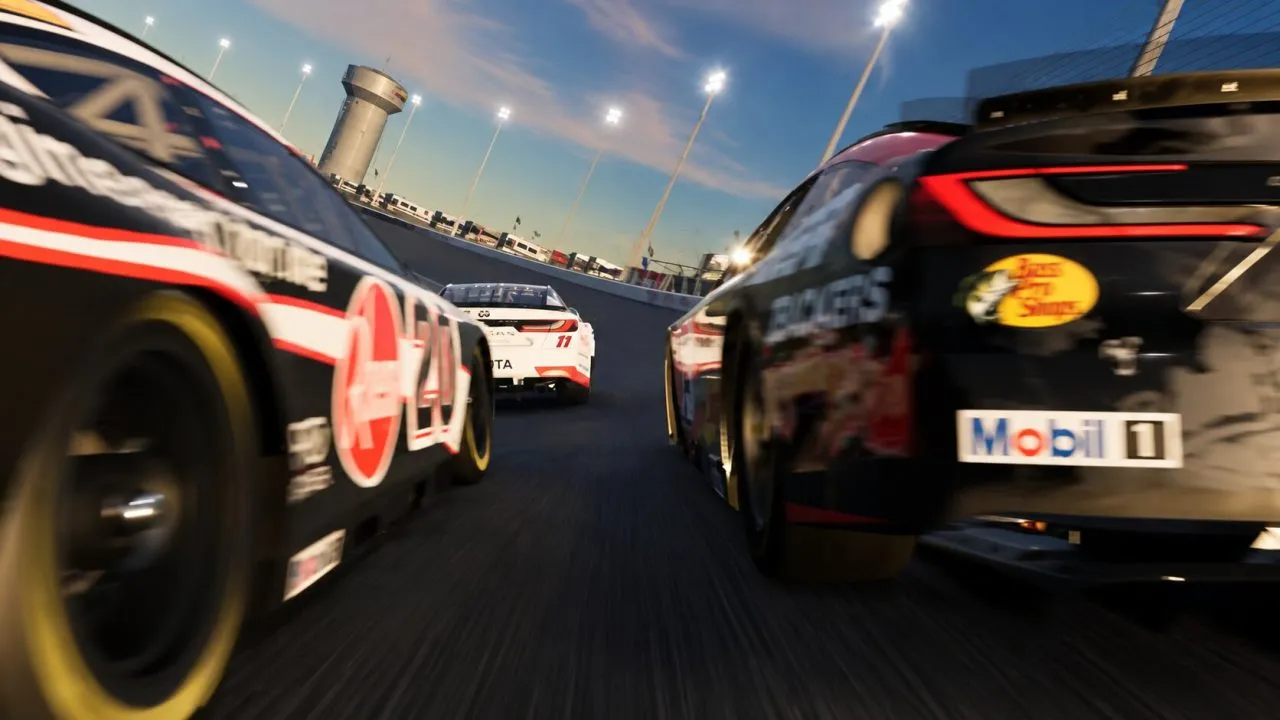
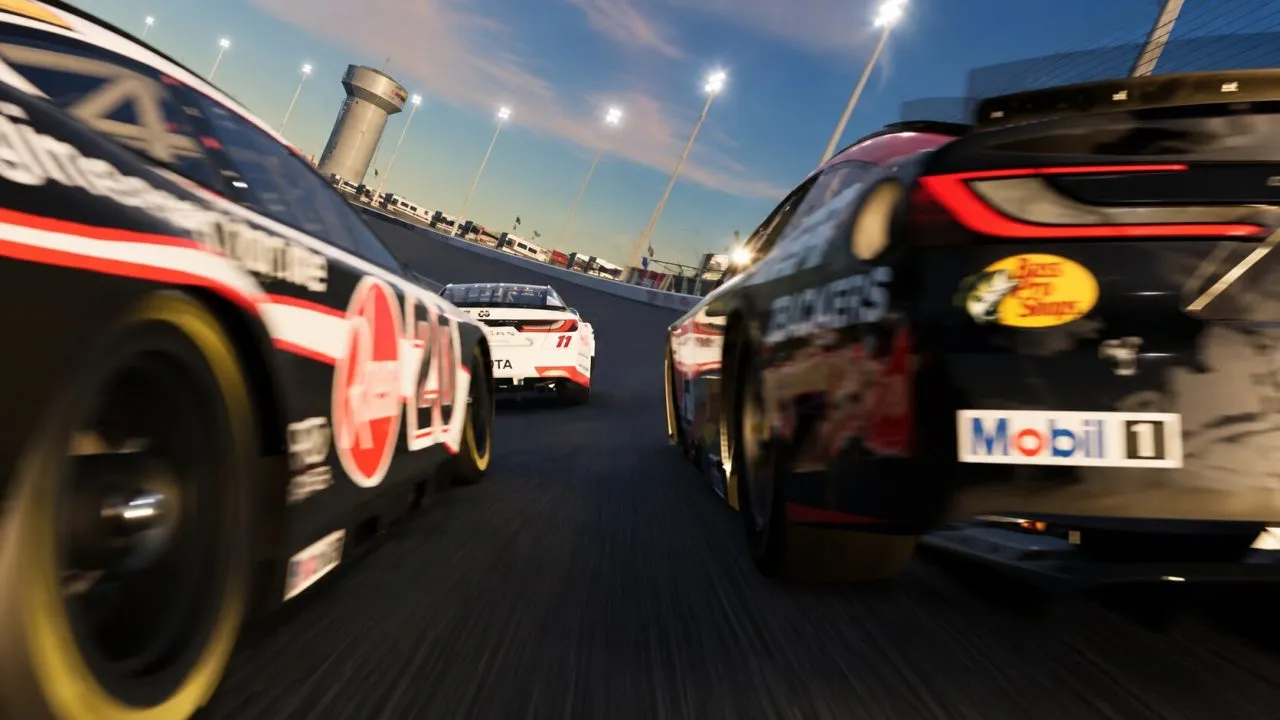
NASCAR 26 Career Mode takes you from a newly created ARCA Menards Series team to the NASCAR Cup Series, combining racing with sponsorships, Reputation, employees, car upgrades, repairs and the new Facility system. Progression is not simply about winning every race: you need to build Reputation to unlock higher series while managing Money, Work Points and Research Points efficiently enough to keep your cars competitive. This guide covers how Career Mode works as of September 23, 2026, including the opening Daytona licence test, Race Shop management, facilities, sponsors and the most efficient route from ARCA to Cup.
NASCAR 26 builds heavily on the structure introduced in NASCAR 25, but iRacing Studios has expanded the management side with 16 Facility Upgrades, revised Race Shops, additional training integration and more long-term investment decisions.
The basic progression remains straightforward:
Career StageSeriesMain ObjectiveStartARCA Menards SeriesBuild your first team and ReputationStep 2NASCAR Craftsman Truck SeriesManage additional cars and stronger competitionStep 3NASCAR O’Reilly Auto Parts SeriesExpand resources and team performanceFinal tierNASCAR Cup SeriesBuild a championship-level organization
You cannot simply create a new Career and immediately start in Cup. The mode is designed around building your organization from ARCA upward.
How NASCAR 26 Career Mode Starts
Your first job is not actually managing a race team. NASCAR 26 initially sends you through a Peak Performance licensing session at Daytona International Speedway.
Jamie McMurray coaches you through drafting, while Dale Earnhardt Jr. and Steve Letarte also appear as part of NASCAR 26’s wider training and Career presentation. The Daytona exercise asks you to catch another car, use its draft and meet a minimum lap-time target while following it. You can watch McMurray demonstrate the exercise first or immediately attempt it yourself.
Passing the test grants the licence required for your first ARCA race.
The game then drops you directly into the General Tire 200 at Daytona. Your initial target is relatively modest: finish inside the top 20 to improve the sponsorship deal available to your new team. Dale Earnhardt Jr. has already helped arrange an initial season-long Jerky Boys sponsorship, so this opening race establishes the financial base from which the rest of the operation grows.
After the race, NASCAR 26 presents several pieces of information that will become familiar throughout Career:
Post-Race InformationWhy It MattersRace resultDetermines a major part of your earnings and ReputationDriver AssessmentProvides feedback on your performanceSocial media reactionReflects events and relationships during your CareerSponsor informationShows contract and incentive progressCar wearDetermines what needs repairing before the next eventRace earningsFunds parts, employees and FacilitiesChampionship standingsTracks your season progression
Once Daytona is complete, the management side of Career Mode properly begins.
Understanding the NASCAR 26 Race Shop
Your Race Shop is effectively Career Mode headquarters.
It is divided into four major areas: Parts, Garage, Office and Team.
The Parts section is where you purchase equipment. The Garage handles repairs and car preparation. The Office contains employees, sponsors and much of the business management. Team allows you to customize paint schemes, firesuits and helmets and eventually view the trophies you have collected.
Your race car is built around four performance components:
ComponentPurpose in CareerBodyContributes to the car’s overall Performance ratingChassisContributes to overall car performanceEngineOne of the four main upgradeable componentsSuspensionCompletes the car’s overall Performance rating
Each part has its own Performance value, with all four contributing to the overall rating of the car. In simple terms, higher-level equipment produces a more competitive vehicle.
The important part is that equipment also wears after racing.
That means buying a fast engine once does not permanently solve your engine problem. Equipment needs to be repaired, replaced or eventually passed down through the rest of your fleet.
This becomes increasingly important after ARCA because higher series introduce multiple vehicles into your operation.
Money, Reputation, Work Points and Research Points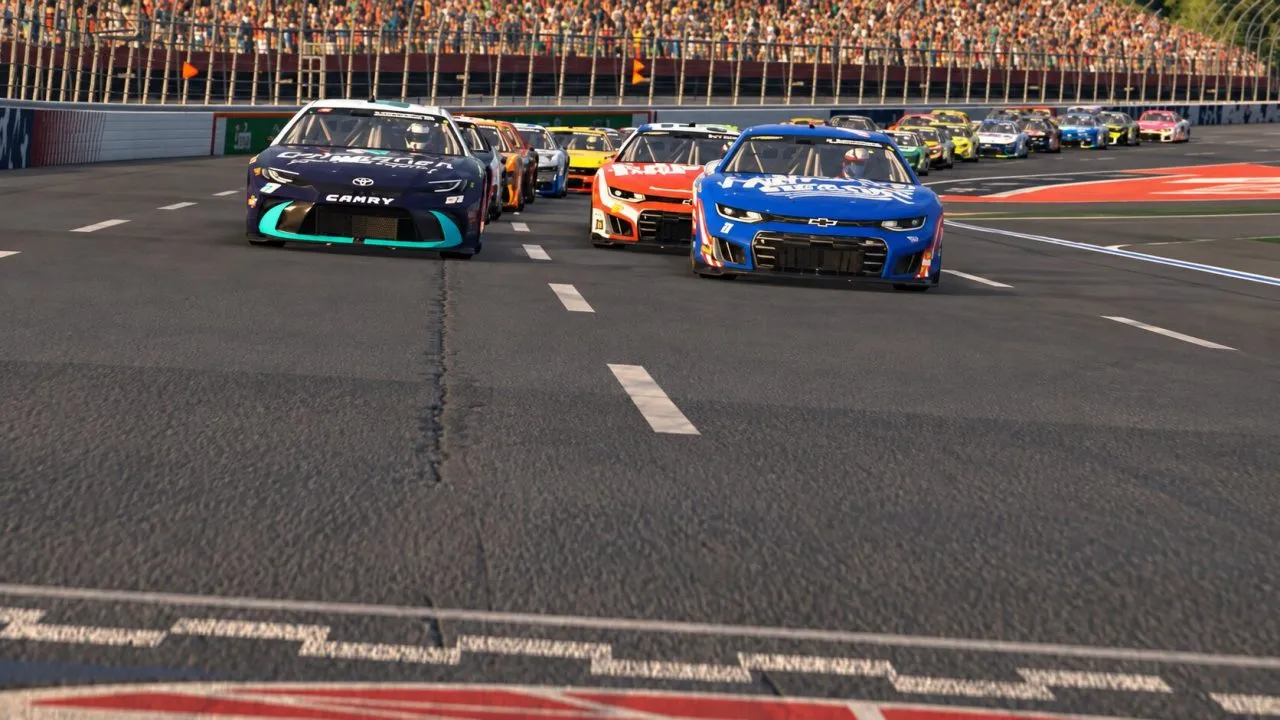 NASCAR 26
NASCAR 26 Career Mode revolves around four main resources.
ResourceWhat It DoesCan You Save It?MoneyParts, employees, Facilities and other team expensesYesReputationCareer progression and access to higher-level opportunitiesYesWork Points (WP)Primarily used for repairing equipmentNo — unused WP does not carry into the next race weekResearch Points (RD)Used to unlock access to increasingly advanced equipmentNo — unused RD does not carry into the next race week
The distinction between permanent and temporary resources is one of the most important things to understand.
Money can be saved. There is no reason to spend every dollar simply because an upgrade is available.
WP and RD operate differently. Current Career Mode testing shows that unused points disappear when you advance to the next race week. That means the best reward is not necessarily whichever option gives the largest-looking number.
If a PR opportunity offers 30 Research Points but the next useful equipment unlock is still hundreds of RD away, taking those points could accomplish nothing before they disappear. If you are only 20 RD away from unlocking a better component, the same reward becomes extremely valuable.
The same applies to Work Points. Take additional WP when there is equipment worth repairing. If the important cars are already healthy, extra WP may simply expire.
The best strategy is therefore to ask:
What can this reward actually buy or repair before the next race?
Upgrade Before You Repair
One of the easiest ways to waste resources is repairing equipment that you are about to replace.
Before spending WP, check whether you can afford a meaningful new component. When you install a better part, the component that was previously fitted can move into Inventory rather than disappearing. That older part can then become useful elsewhere in your fleet.
Once Career Mode gives you multiple cars, the rotation becomes particularly important. The car closest to its next race should receive your strongest new equipment. Older but healthy components can then move toward cars that are further back in the rotation.
For example, imagine the next car has a healthy Level 3 engine and you can afford Level 4. Buying and installing the Level 4 gives that car an immediate upgrade while placing the healthy Level 3 engine into Inventory. If another car has a heavily damaged Level 2 engine, you may be able to install that spare Level 3 instead of spending valuable WP repairing the weaker component.
In practice, the efficient workflow is:
Buy upgrades first → redistribute useful old parts → inspect remaining damage → spend WP on repairs.
This avoids repairing a component and then immediately replacing it. There is another limitation to remember: an individual part cannot be repeatedly moved, repaired and manipulated indefinitely during the same preparation cycle. Plan the equipment chain before beginning repairs.
Do Not Waste Repair Wrenches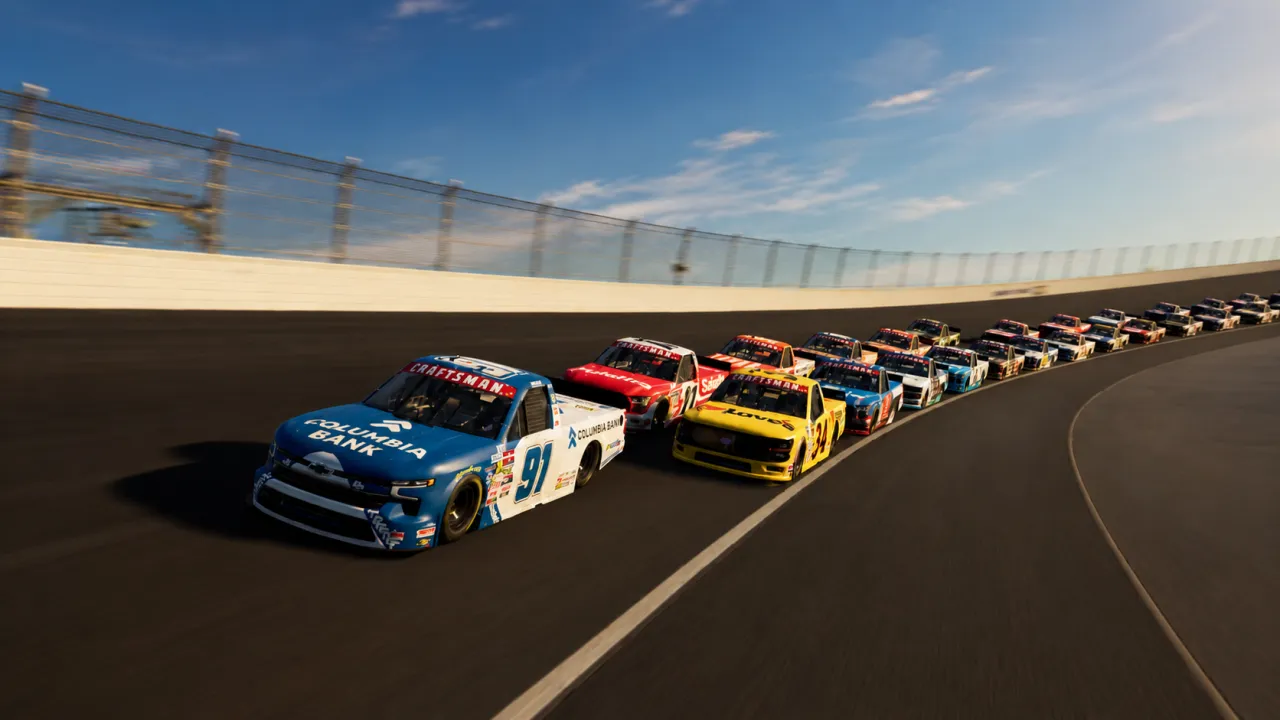 NASCAR 26
Parts also have a limited number of times they can be repaired.
NASCAR 26 represents these with wrench indicators. A repair consumes one of those opportunities whether you are addressing relatively small wear or bringing back a heavily damaged component. Eventually the part becomes worn beyond normal repair.
This creates another decision: just because you can repair something does not necessarily mean you should. If a low-level engine is close to the end of its useful life and you already know you will replace it when that car returns to the front of the rotation, spending WP and a repair opportunity on it may offer very little value.
Conversely, because unused WP disappears at the end of the week, spending otherwise wasted points on a useful component can still make sense. Keep a few reasonably healthy old components in Inventory rather than automatically selling everything you replace. Career events can create unexpected wear, and a slightly slower spare Body, Engine, Chassis or Suspension can be considerably cheaper than purchasing an emergency replacement.
Employees Matter More Than They Initially Appear
After preparing the car for your second ARCA race at Phoenix, NASCAR 26 opens the Office and introduces the staff system.
You begin with a Crew Chief, Agent and Mechanic, with additional staff positions such as another Mechanic and PR Manager becoming available as the organization grows.
The Crew Chief can improve the Work Points available to the team, while the Agent provides bonuses to earnings. Mechanics also contribute to Work Point generation, and stronger employees become increasingly valuable as your Career develops. This creates a compounding effect. A better part improves one car. A better employee can generate additional resources repeatedly across many race weeks.
For that reason, check the available employees regularly. NASCAR 26 does not always make newly available staff as obvious as it could.
If a substantially better employee becomes affordable and you expect to keep them for a long period, hiring them early lets you benefit from their bonuses for more races.
How Sponsors Work in NASCAR 26 Career Mode
Sponsors provide your regular income and also offer additional incentives tied to performance.
After Daytona, your initial Jerky Boys agreement allows you to select an incentive before Phoenix. Failing to select one effectively means leaving potential bonus money unclaimed.
The important decision is not simply choosing the hardest objective. Choose the highest sponsor target you can reliably achieve.
If you are regularly finishing in the top five, accepting an extremely easy target wastes potential income. But repeatedly selecting a difficult objective you cannot reach produces no incentive payout at all. As the team develops, better sponsorship options become available.
There is no meaningful reason to stay loyal to a weaker sponsor purely because they backed you earlier. From a progression perspective, a contract providing substantially more money is generally more useful.
That becomes particularly relevant when Facility Upgrades begin improving the sponsors available to your organization.
Facility Upgrades Are NASCAR 26’s Biggest Career Addition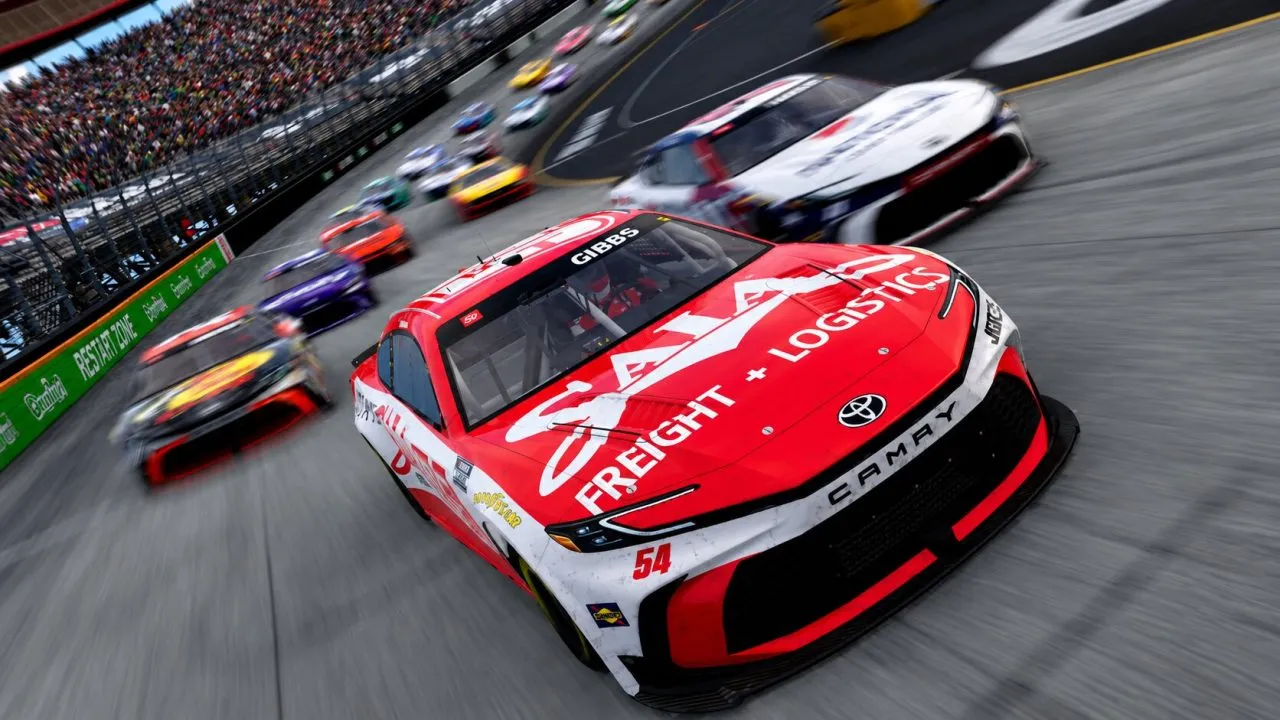 NASCAR 26
The major new management system for NASCAR 26 is Facilities.
There are 16 Facility Upgrades covering areas such as specialized tools, vehicle lifts, fabrication, HR, marketing, R&D, supply partnerships, corporate outreach, CNC machinery and data analysis.
Unlike WP and RD, Facility purchases are long-term team investments.
Examples currently found in Career Mode include:
Facility AreaExamplesWorkshopSpecialized Tools, Vehicle Lifts, Heavy MachineryBusinessBusiness Account, HR Department, Corporate OutreachMarketing / PRPR Department, Marketing Department, Media BranchEngineeringFabrication Shop, CNC Machine, R&D Department, Testing LabsSupplySupply Company Partnerships, Supply DepartmentDataData Analysis branch of R&D
The best early Facility is not necessarily the most expensive one.
Prioritize upgrades that can begin paying you back immediately.
Corporate Outreach is a good example because it can unlock stronger sponsorship opportunities. Spending money once to access a substantially better per-race sponsor can improve income for the remainder of the season, helping finance subsequent parts, employees and Facilities.
The same principle applies elsewhere: permanent bonuses are most valuable when purchased early enough to benefit from them repeatedly. However, do not empty the bank account just because another Facility button is available. A new facility is of little help if the next car needs an Engine and you cannot afford one.
How to Unlock Trucks, O’Reilly and Cup
Career progression is primarily tied to Reputation milestones.
When you pass the required milestone, the next championship becomes available for the following season. You still need to finish the current campaign before setting up the new team.
Community progression tracking currently places the approximate unlock points around:
SeriesReported Reputation RequirementARCA Menards SeriesAvailable from the beginningNASCAR Craftsman Truck SeriesApproximately 25,000 ReputationNASCAR O’Reilly Auto Parts SeriesApproximately 75,000 ReputationNASCAR Cup SeriesApproximately 230,000 Reputation
These figures are based on current player and trophy-guide progression rather than a published iRacing Studios table, so treat them as useful targets rather than official guaranteed thresholds.
Once a higher series has been unlocked, you can decide during the offseason which available championships you want to run.
Running multiple series can accelerate Reputation and generate additional race earnings, but it also creates substantially more management work and equipment requirements.
For a first Career, focusing on the newly unlocked championship can make progression simpler. More experienced players can run multiple programs and use successful operations to help finance newer ones.
Truck Series Changes the Management Game
The move from ARCA into the Craftsman Truck Series is where fleet management becomes more important.
Rather than preparing only one vehicle, you begin rotating multiple trucks. One heads to the next event while another returns to the shop requiring attention. This is where the upgrade-and-hand-me-down strategy becomes particularly effective.
Strong equipment should generally flow toward the vehicle that races next. Older but serviceable parts can move backward through the fleet, while heavily worn equipment eventually gets repaired, stored or discarded.
As you reach higher championships, managing the entire operation becomes more important than maximizing one car regardless of cost.
That is the core progression loop NASCAR 26 is trying to create: the tiny ARCA operation gradually becomes a multi-series organization capable of sustaining Cup-level equipment and personnel.
Should You Run Practice and Qualifying?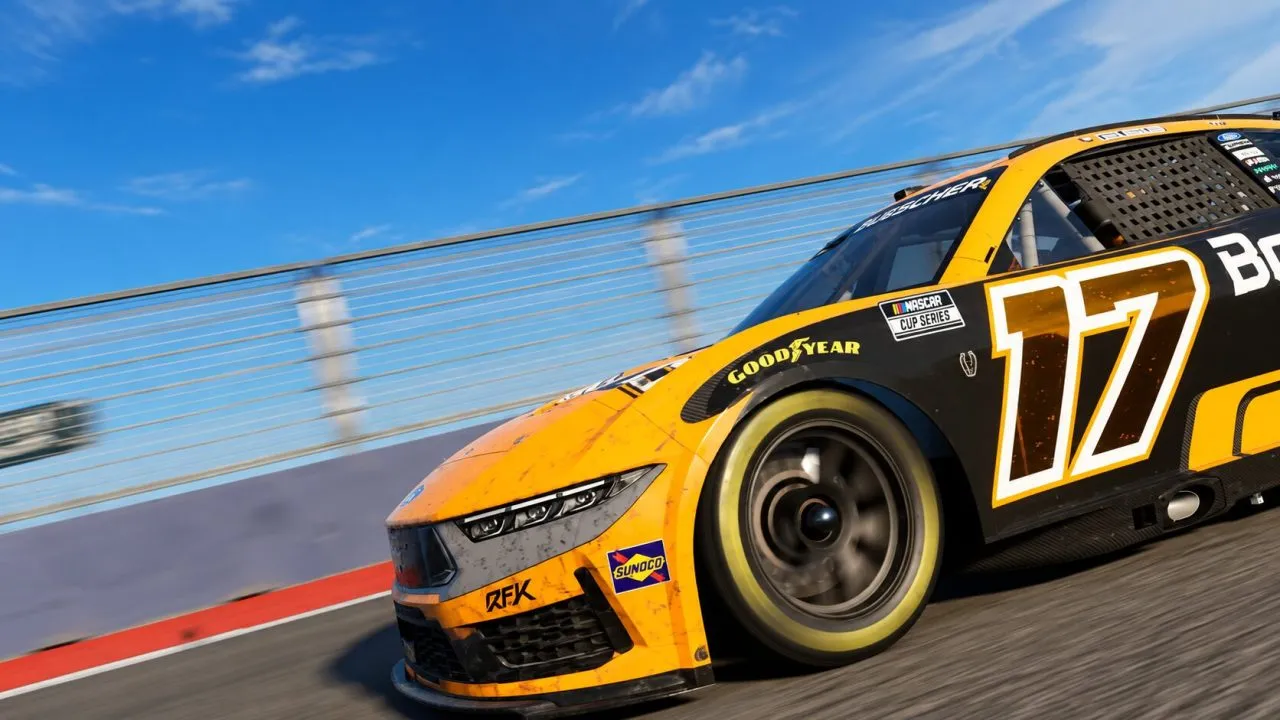 NASCAR 26
Practice and qualifying can produce additional Career rewards through their objectives, but they are not mandatory for efficient progression.
If you are unfamiliar with a circuit, practice remains extremely useful — particularly with NASCAR 26’s revised tire model, braking behavior and Dynamic Track system. If you already know the track and simply want to accelerate Career progression, however, skipping some optional session goals will not destroy your season. Race results, sponsor incentives and larger objectives generally matter considerably more.
The same principle applies to race length and difficulty. Current testing indicates that Career rewards do not scale upward simply because you select a much longer race or harder AI setting. Choose the race length and AI level that make NASCAR 26 enjoyable rather than assuming maximum difficulty is necessary to progress efficiently.
Peak Performance can help establish an appropriate starting difficulty. NASCAR 26 evaluates your driving and provides coaching from Jamie McMurray, including braking, lift and throttle references.
The game has also already received an update improving the accuracy of its Estimated AI Rating.
Use NASCAR 26’s Dynamic Track to Your Advantage
Career Mode may be managed from menus, but progression ultimately depends on what happens on track.
NASCAR 26 introduces a revised tire and braking model alongside Dynamic Track technology. Grip can evolve throughout a race weekend as rubber builds and the preferred line changes.
That means blindly driving the same groove throughout a longer race may not remain optimal. Long-run pace, tire management, fuel strategy and finding grip as conditions evolve can be more valuable than maximizing qualifying speed alone.
This is particularly important as you move into faster series and longer events where poor tire or pit management can erase the performance advantage gained from expensive equipment. If you are racing with a wheel, our NASCAR 26 Best Wheel Settings guide includes current FFB and steering baselines for Logitech, Thrustmaster, Fanatec and MOZA hardware.
You can also check our NASCAR 26 Wheel Support guide for the latest compatibility information.
Gold Edition and DLC Career Bonuses
There is one important difference between players depending on the edition and DLC they own.
The September content adds Career bonuses including:
Career BonusAmountBonus Money$10,000Bonus Reputation1,000 RPEmployeesVIP Employees
Gold Edition owners receive the Season Pass, while the September Pack can also be purchased separately.
The VIP Crew Chief and Agent can be hired from your Office without the normal initial cost and provide stronger bonuses than the standard employees available at the start.
These advantages accelerate the opening weeks, but they do not fundamentally change Career Mode. Standard Edition players can still progress naturally through the same championships and systems.
Players who pre-ordered before launch may also have additional Career bonuses attached to that preorder.
NASCAR 26 Career Mode Has Already Been Patched NASCAR 26
Make sure the game is fully updated before committing to a long Career.
Several launch-week patches addressed Career-specific problems.
The first updates corrected a potential Career Mode crash, fixed Training Difficulty not immediately following the selected overall difficulty preset and repositioned the sponsor goal HUD so it no longer interfered with the cockpit mirror. The September 17 update then fixed two additional Career crashes, including one when resuming multi-series events and another connected to Breaking News events.
It also corrected the displayed race count for The Chase, fixed Schedule-tab overlap and cleaned up several Career Mode messages.
The September 18 patch focused primarily on AI and multiplayer rather than introducing additional Career systems. You can follow the changes in our NASCAR 26 latest patch coverage.
Best NASCAR 26 Career Mode Strategy
For a first playthrough, the most reliable approach is to treat Career Mode as a long-term business rather than attempting to maximize every number every week.
SituationRecommended ApproachStarting ARCAComplete the Daytona training, meet sponsor targets and build ReputationBuying equipmentUpgrade the car racing next before repairing older equipmentUsing WPSpend it on worthwhile repairs before advancing because it does not carry overUsing RDPrioritize it when it reaches a useful equipment unlockManaging MoneyKeep an emergency reserve rather than spending everythingHiring employeesCheck regularly and invest early when a meaningful improvement becomes availableChoosing sponsor incentivesSelect the highest target you can consistently achieveBuying FacilitiesPrioritize upgrades that generate an immediate recurring benefitManaging multiple carsMove stronger equipment toward the next car and reuse healthy older partsProgressing seriesBuild Reputation, finish the season and select the newly unlocked championship
Perhaps the biggest mistake is spending every available resource simply because NASCAR 26 gives you the option.
Money should be saved when there is nothing worth buying. WP and RD should be spent intelligently before they expire. Healthy old parts can become valuable spares, and permanent Facilities or employees are often more valuable early because their benefits accumulate over many races.
Career Mode is ultimately a cycle of racing, earning Reputation, improving the shop and gradually moving stronger equipment through an increasingly large organization.
Start in ARCA, learn how the economy works before overspending, build enough Reputation to reach Trucks, and let the operation grow naturally toward O’Reilly and eventually the Cup Series.
For a broader overview of the features introduced this year, see our NASCAR 26 Career Mode and gameplay breakdown.
See you on the track!
This website uses affiliate links which may earn a commission at no additional cost to you.