
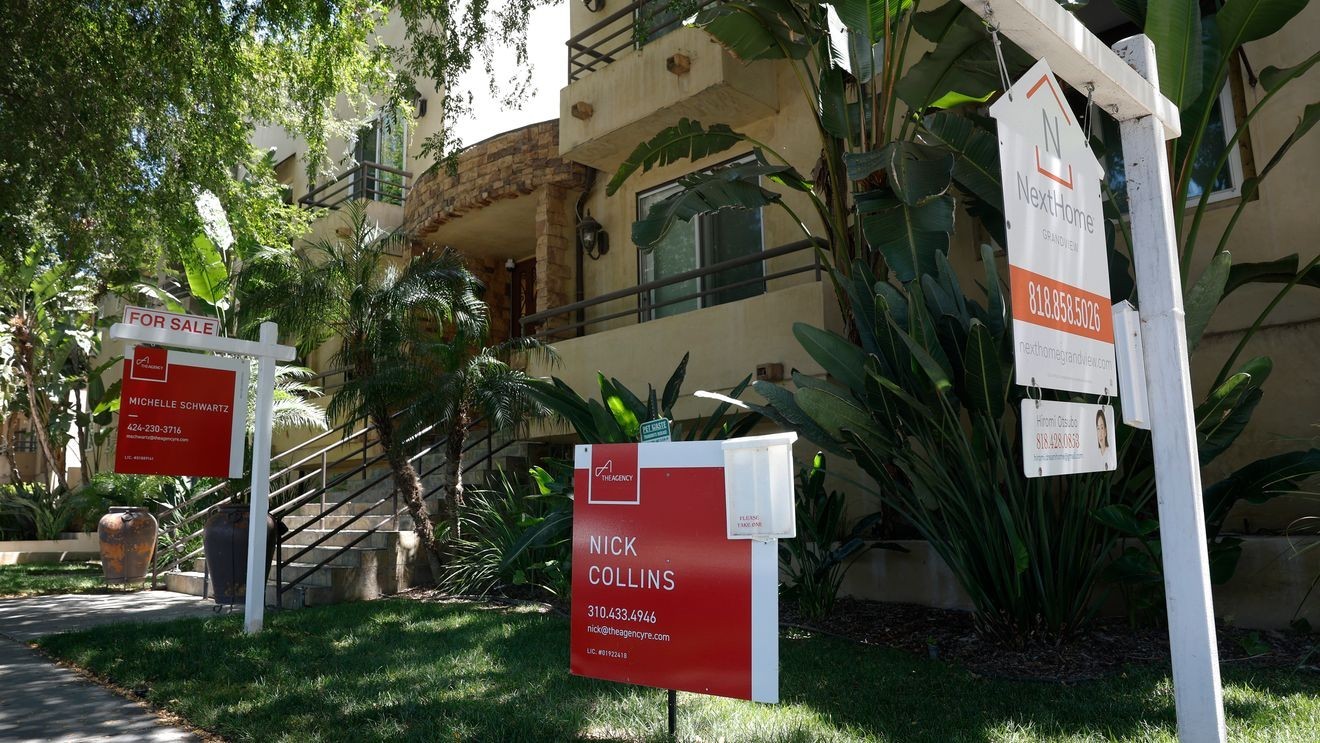
WASHINGTON (TNND) — Steadily rising mortgage rates are adding to the housing market’s longstanding struggles with affordability, hitting would-be homebuyers at the same time their budgets are being stretched by high gas prices and persistent inflation.
The average rate on a 30-year fixed-rate home loan eclipsed 7% this week, the fifth consecutive weekly increase, according to Freddie Mac. A year ago, the average rate was 6.3%. Mortgage rates briefly dipped below 6% at the beginning of the year but have been on a steady upward climb since the war with Iran sparked an energy crunch and created new economic uncertainty.
A return to 7% mortgage rates is threatening to deeper a longstanding freeze over the market, squeezing buyers already struggling to afford a home, pushing sellers from listing their homes and adding to the obstacles facing builders.
Mortgage rates have moved upward since the start of the war with Iran, which sparked an energy shock with less oil flowing through the Strait of Hormuz. Higher energy costs have renewed inflation pressures and sparked concerns among economists that those increases will spread to other parts of the economy.
Those inflation concerns have pushed the yield on 10-year Treasury bonds, a key benchmark for mortgage rates, over 5%, a level not seen since the financial crisis. Stubbornly high inflation also pushed the Federal Reserve to raise interest rates for the first time since 2023 this month with growing market expectations of another hike in October or December.
The Fed’s rate decisions do not directly impact mortgage rates but can move them indirectly based on investor expectations that move yields on bonds that weigh on borrowing costs. Economists are not expecting yields to fall significantly anytime soon, meaning prospective homebuyers are likely looking at higher costs moving forward.
Housing analysts also see rates hitting 7% as an important psychological threshold that will suppress activity.
“Today’s number against the last few years changes a monthly payment less than people think. What it changes is how buyers feel, and that’s the part doing the damage,” said Jason Madiedo, CEO and co-founder of SimplyPMG.
Higher mortgage rates can add hundreds of dollars to a monthly mortgage payment, limiting prospective buyers’ budgets and pushing some to exit the market entirely. Combined with stubbornly high asking prices, the lack of affordability has left the market in a prolonged freeze.
Higher rates also create a dilemma for sellers. Fewer buyers in the market have left homes sitting for sale for longer, forcing sellers to consider whether to cut asking prices or pull the listing altogether.
At the same time, the housing market is being dampened by the “lock-in effect” with many homeowners having a COVID-era rate on their mortgage that is much lower than what is available today, pushing many to stay in their homes instead of putting them on the market.
Existing home sales have been in a slump dating back several years and hit their 2026 low in August, while pending sales are negative compared to last year. Rates crossing 7% are likely to further dampen sales as more buyers opt out of the market entirely.
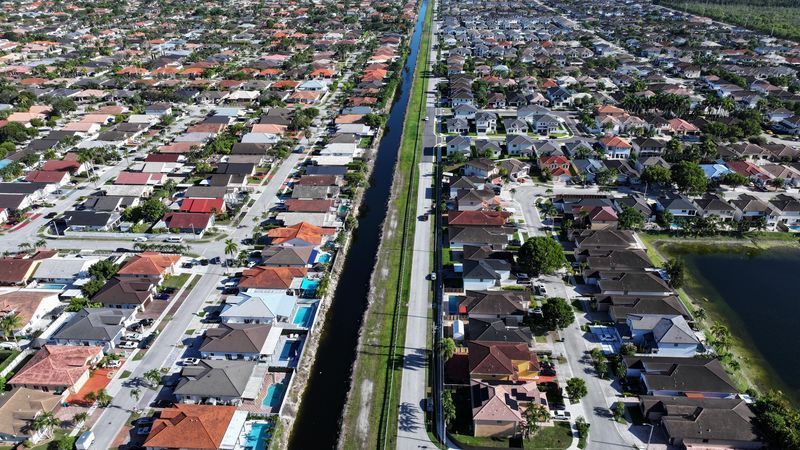
FILE – An aerial view of single-family homes on Aug. 1, 2025, in Miami. (Photo by Joe Raedle/Getty Images)
Even with a chilled market, home values have continued to climb due to the United States’ longstanding struggles with housing supply. Median sales prices on existing homes have climbed for 38 consecutive months to $429,1000 as of August, according to the National Association of Realtors.
It is a good time to be in search of a home for those who can afford to be in the market, with a smaller pool of buyers reducing competition and listings sitting for longer pushing sellers to give concessions or cut prices. But the number of households who can afford to take advantage is limited with the income needed to afford a typical home growing and inflation outpacing wage gains in recent months.
The higher rate environment and stagnant market is also creating challenges for builders, limiting the number of new homes being built and keeping prices elevated. Housing starts, a measure of new housing projects, are down year-over-year with increased costs for materials and labor making it challenging for projects to turn a profit.
Single-family construction was down nearly 5% compared to last year through August as builders delay projects amid higher rates and an uncertain economic environment. Sales of newly built homes climbed in August, but many are reliant on builders using incentives and price adjustments to attract buyers, cutting into profits.
“While the monthly increase in sales is a positive development, housing demand remains sensitive to higher mortgage rates and broader macroeconomic conditions,” said Danushka Nanayakkara-Skillington, NAHB assistant vice president for forecasting and analysis. “A sustained improvement in affordability, particularly through lower financing costs, would provide a stronger foundation for housing demand going forward.”