
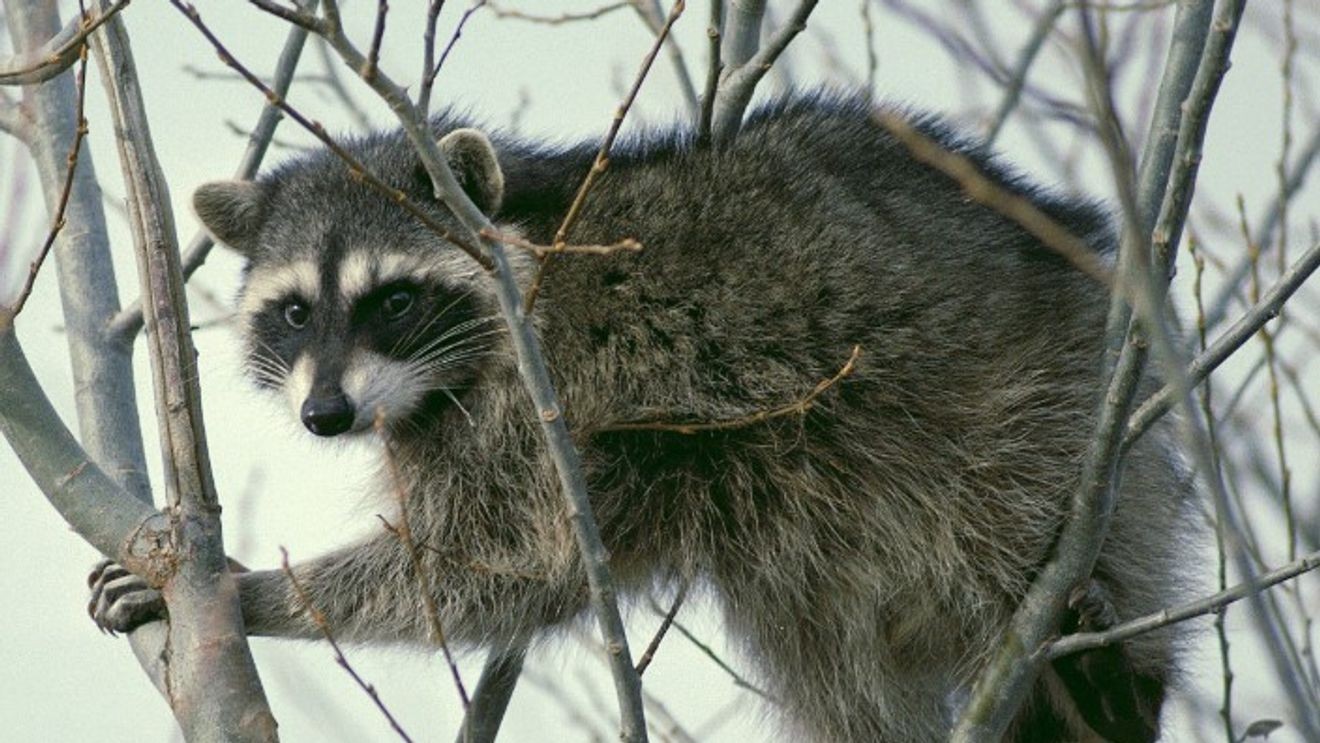
An encounter with a raccoon in a Pocatello neighborhood left two people hurt and prompted Idaho Fish and Game to remind residents how to avoid conflicts with wildlife.
On Tuesday, Sept. 22, Idaho Fish and Game say they responded to a Pocatello home after an individual was injured in an encounter with a raccoon. People at the scene reported the raccoon was out during the day, wandering in a cul-de-sac and “acting strangely.” The animal appeared lethargic and did not respond when people tried to haze it from the area.
Fish and Game said an 86-year-old man went outside to get his mail and noticed neighbors interacting with the raccoon. They said he initially thought the animal might be injured, but told Fish and Game it moved quickly toward him and grabbed, bit and scratched his legs and forearm. Another person who went to help was also scratched. Both people were treated for injuries.
Fish and Game said the animal tested negative for rabies.
Fish and Game said it received several reports in June of raccoons “acting sick” or lethargic, including animals that appeared injured or lingered in plain view during daylight hours, which is not typical behavior. A raccoon submitted for testing at that time tested negative for rabies but positive for canine distemper. Fish and Game said canine distemper is a widespread disease primarily affecting canids, raccoons and skunks. It is not transmissible to humans, but is transmissible to dogs.
Fish and Game advised residents to keep a safe distance from raccoons and other wildlife, even if the animals appear approachable. If a person or pet is scratched or bitten by a raccoon, Fish and Game said they should seek medical advice from a doctor or a pet’s veterinarian and notify Fish and Game and the nearest public health district office. Fish and Game works with public health districts to facilitate testing when it is deemed necessary.
The agency also urged people to keep pets away from raccoon carcasses to reduce the risk of disease transmission. For disposal, Fish and Game recommends wearing gloves and a mask while handling the carcass and placing the carcass, gloves and mask in a bag before putting it in a trash bin.