
The Trump administration announced plans Friday night to cancel $810 million in funding for health, education and other programs just days before the end of the current fiscal year, triggering another fight with Congress over the power of the purse.
The so-called pocket rescission claws back money already appropriated by Congress, with little time for lawmakers to respond before the new fiscal year begins next week. The House is already out of town and not scheduled to return until after the November midterm elections.
Top appropriators of both parties immediately denounced the move and accused the Trump administration of acting illegally by holding up and then canceling funds without congressional approval.
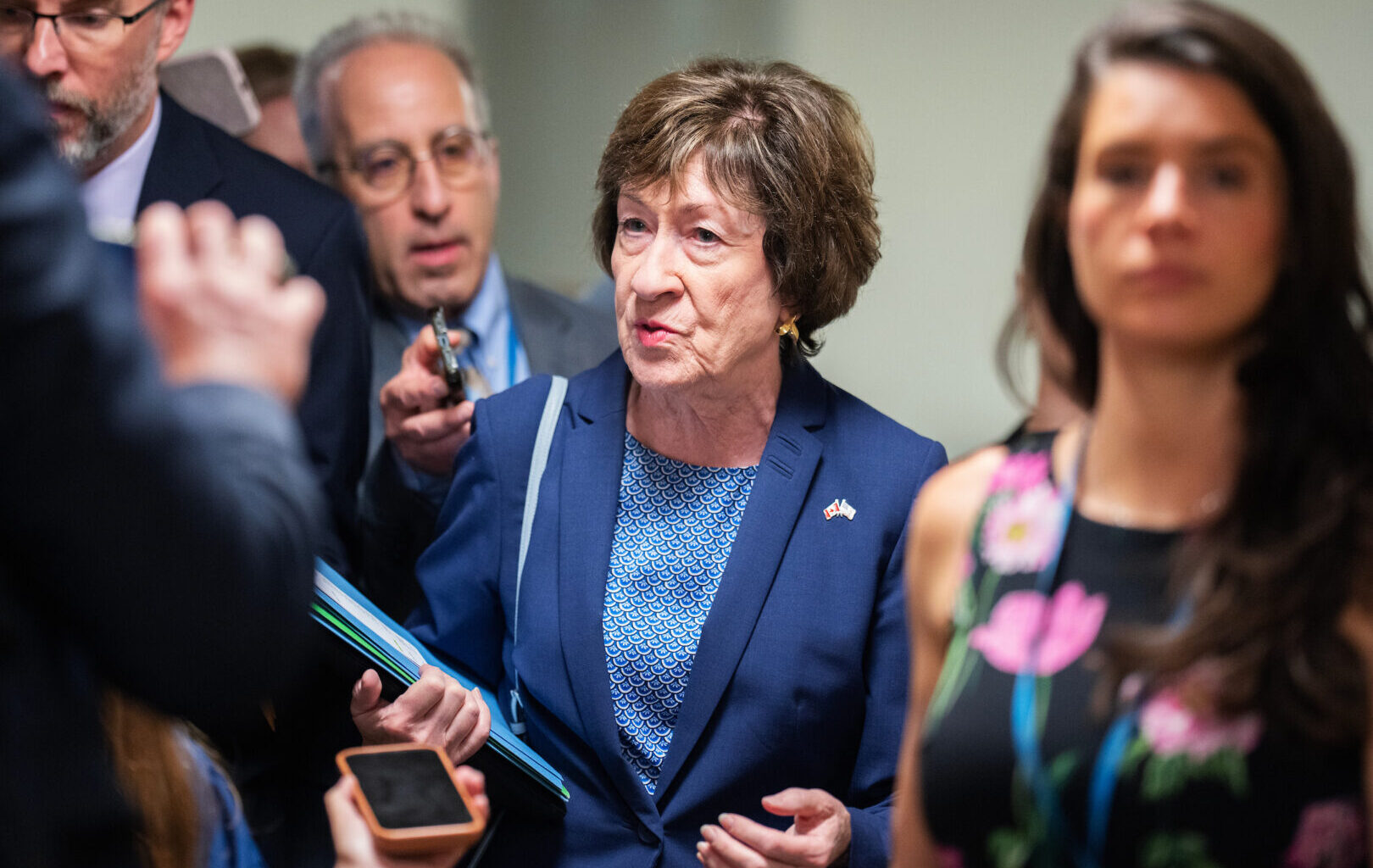
Senate Appropriations Chair Susan Collins, R-Maine, said the White House budget office “intentionally withheld these funds for months to execute this unlawful cancellation of appropriations that were approved on a bipartisan basis and signed into law.”
“I will work with my colleagues to address these illegal actions,” she added in a statement.
And Connecticut Rep. Rosa DeLauro, the House Appropriations Committee’s ranking Democrat, echoed that view.
“Not only is freezing the money in this proposal illegal, but the administration has also clearly been unlawfully impounding funds all year just to get to this point,” DeLauro said in a statement.
In announcing the rescission, the Trump administration hailed it as “historic action to eliminate wasteful and harmful spending.”
The lion’s share of the rescission, amounting to $567 million, scales back an account that helps fund the Department of Health and Human Service’s Office of Refugee Resettlement programs. The administration said the money is no longer needed because fewer migrants are crossing the U.S. southern border illegally.
Other rescissions include:
$25 million for an Education Department program designed to help migrant students.
$70 million for programs that provide grants and fellowships for foreign students and faculty to teach or study in the U.S.
$28 million in health research funding that the administration said is wasteful or duplicative.
$56 million in housing counseling programs run by the Department of Housing and Urban Development that the administration said wrongly focused on diversity, equity and inclusion initiatives.
The coming cancellation threatens to escalate tensions over spending after the coming midterms elections — when Congress will contend with a Dec. 11 deadline to fund the government for the remainder of fiscal 2027.
Under the normal rescissions process, the president can formally ask Congress to cancel federal funding, which kicks off a 45-day clock for lawmakers to act on the request.
But if that clock runs out after the end of a fiscal year, the withheld funds can lapse without congressional authorization, resulting in a so-called pocket rescission.
The Trump administration used the same maneuver last year to cancel about $4 billion in foreign aid without approval from Congress, prompting criticism from both sides of the aisle. However, the Supreme Court ultimately ruled that the administration had the right to cancel the money.