
Credit: Far Out / Alamy
Wed 30 September 2026 1:30, UK
The 1960s were not a decade that struggled to elect its cultural icons.
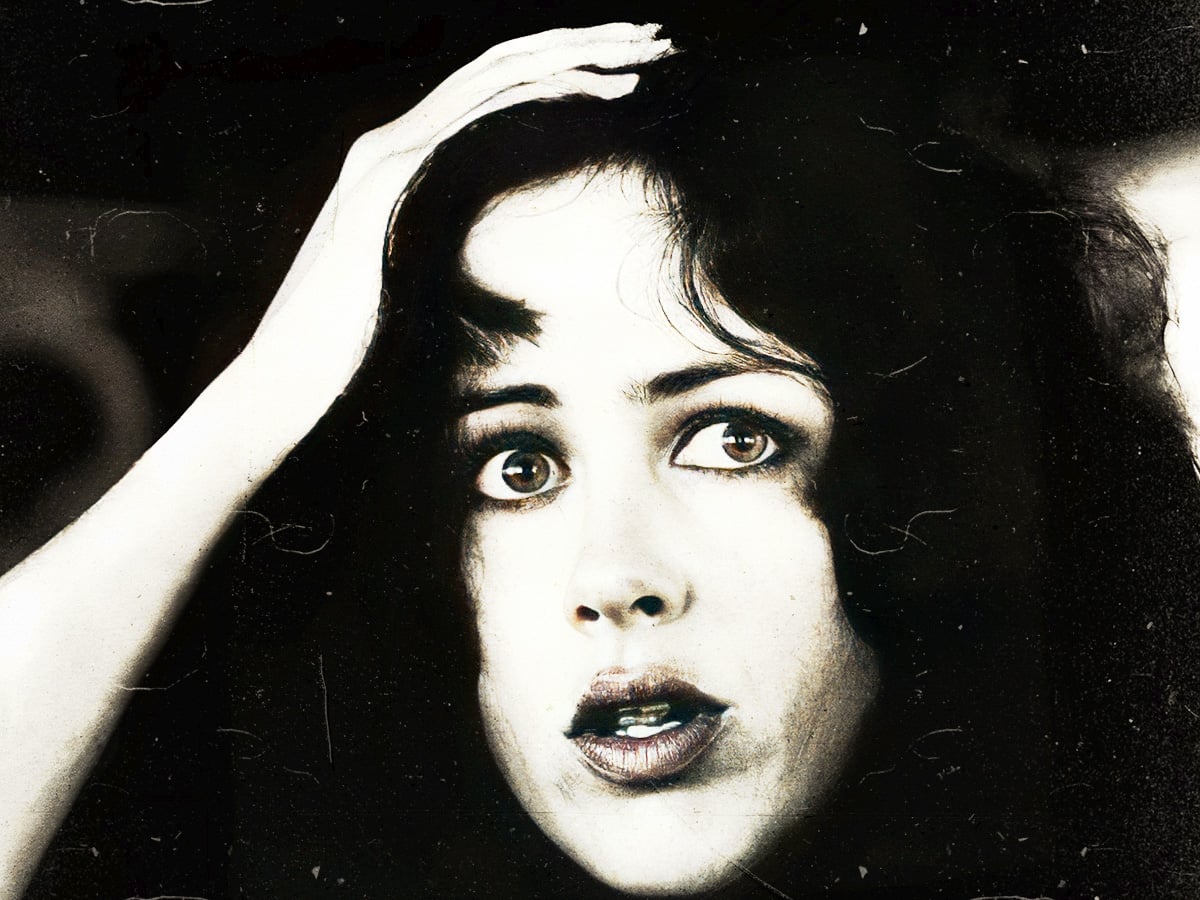
Whether within the realm of music, film, art, or virtually any other aspect of society, the era was awash with defiant revolutionaries, committing the post-war period to the history book and striving for something exceedingly modern. Among them was the ‘Acid Queen’ herself, Grace Slick.
As the vocalist of Jefferson Airplane and the songwriter behind hippie anthems like the LSD-tinged classic, and favourite of Hunter S Thompson, ‘White Rabbit’, Slick was at the very epicentre of the counterculture years. In fact, if there were a competition for the definitive American musician of the era, she would be in the running alongside the likes of Jimi Hendrix, Jim Morrison, Janis Joplin, and all the rest of them.
The saying goes that if you can remember the 1960s, you weren’t really there, and that is certainly true in Slick’s case. Although memories like being onstage at Woodstock, or attempting to dose Richard Nixon with acid, inevitably stick in her mind, the vocalist spent the vast majority of that period out of her mind on a cocktail of drugs, alcohol, and rock and roll. During and in between those trips, though, she did find time to make a few comrades in the US rock scene, many of whom fell victim to the excessive lifestyle promoted by the decade.
Morrison, for instance, became a close friend of Slick, with The Doors overlapping with Jefferson Airplane on innumerable instances, including their inaugural tour of the United Kingdom. Seemingly, the pair’s penchant for sex, drugs, and rock and roll bonded them, but even still, few relationships could come close to replicating the bond between Slick and her fellow San Francisco psychedelic queen, Joplin.
As the enigmatic leader of Big Brother and the Holding Company, she managed to establish herself among the greatest vocalists of the ‘peace and love’ era, but her soulful excellence and outgoing personality are often overshadowed by the tragedy that befell Joplin when she died of a drug overdose in 1970, at the age of just 27.
“People who write books really get Janis wrong,” Slick once told Uncut, rallying against the retrospectively dark, tortured soul the singer is often presented as, “The woman I knew would cackle, she’d laugh so hard, and was fun to be with. Very vocal, very outspoken, very funny. Texas women tend to be like that.”
Further reading: From The Vault
“They called us fire and ice,” she recalled of their famous friendship, “I was the ice, and she was the fire”. Despite their closeness, though, Slick had to concede that, in terms of the 1960s and its cultural icons, the impact of Janis Joplin far outweighed her own contributions as a vocalist for Jefferson Airplane.
“I think she is more of a symbol of those times than I,” the singer admitted, “She had more style. My voice is OK, but she really pushed the envelope”.
Pushing the envelope was, of course, a key attribute of any 1960s cultural revolutionary, and in that sense, Joplin captured the spirit of the era better than most. Not only did she possess an incredibly powerful voice, but in virtually every fibre of her being, she embodied the cultural revolution and youthful spirit of the 1960s, and if anybody is qualified to confirm that fact, it is Grace Slick.
ADD AS A PREFERRED SOURCE ON GOOGLE  The Far Out Classic Rock Newsletter
All the latest Classic Rock content from the independent voice of culture.
Straight to your inbox.