
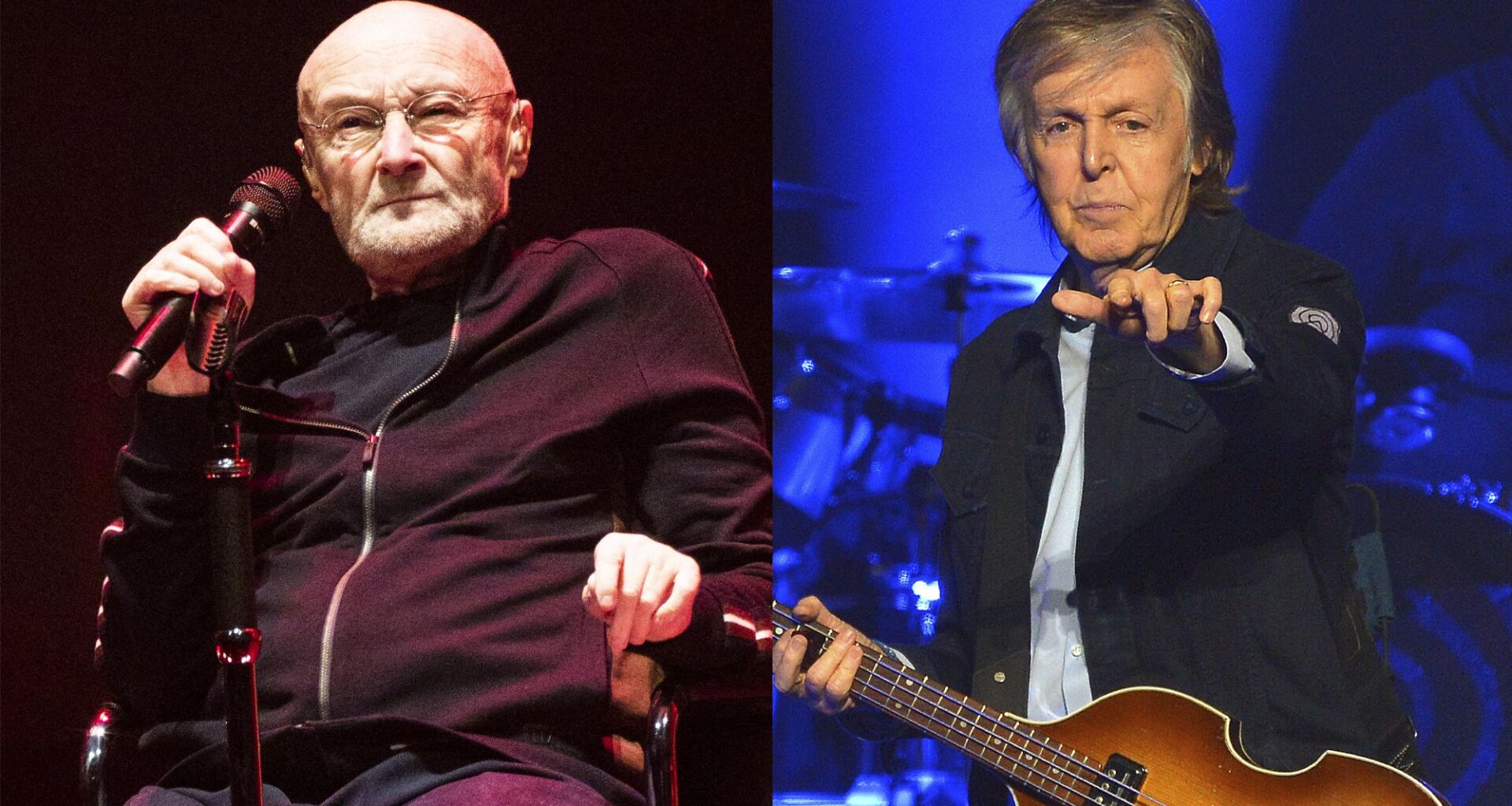
Phil Collins says he was surprised to discover that a reference to him in The Beatles Anthology had been removed — and he suspects Paul McCartney may have been behind the change.
Collins made the comments during a London Q&A with Steven Wilson celebrating the 45th anniversary of his 1981 solo debut, Face Value. He was discussing his cover of the Beatles’ “Tomorrow Never Knows,” which appears on the album, when he recalled seeing a reference to the recording in the original 1995 version of The Beatles Anthology.
Collins said the moment featured George Harrison discussing his version of the song, and that he was thrilled to hear the Beatles mention him.
Phil Collins – Tomorrow Never Knows (2016 Remaster) – YouTube
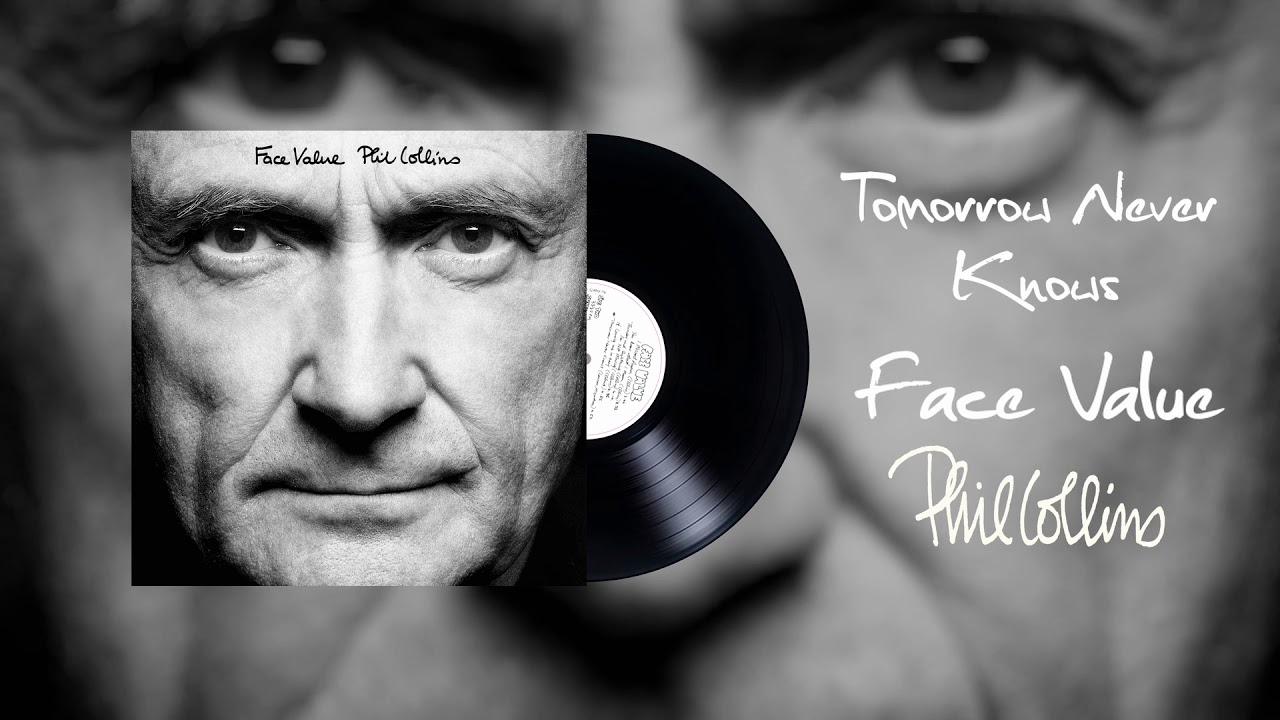
“The one feather in my cap, which I’ll never forget, was with The Beatles Anthology…. The three got the tapes out of ‘Tomorrow Never Knows.’ And they were playing it on the multi-track,” he said, via The Mirror.
“I thought, ‘The Beatles mentioned my name,’” Collins continued. “I went back to watch it recently and they’d taken it out. It’s not there anymore…. I don’t know, maybe McCartney didn’t like it.”
You may like
Collins did not provide evidence that McCartney had anything to do with the edit, and it is not clear why the reference was removed from the updated version of the documentary. McCartney has not publicly responded to the claim.
The suggestion is notable because Collins and McCartney have a history that dates back more than two decades. Collins described their falling-out in 2016, recounting an encounter with McCartney and his then-wife Heather Mills at Buckingham Palace in 2002.
Collins said he approached McCartney with a first edition of The Beatles by Hunter Davies and asked him to sign it.
“I said, ‘Hey Paul, do you mind signing this for me?’ And he said, ‘Oh Heather, our little Phil’s a bit of a Beatles fan,’” Collins recalled. “And I thought, ‘You fuck. You fuck.’ Never forgot it.”
Collins went on to describe what he perceived as a condescending attitude from McCartney, saying the former Beatle made him feel as though it was difficult for him to have a conversation with someone of McCartney’s stature.
What to read next
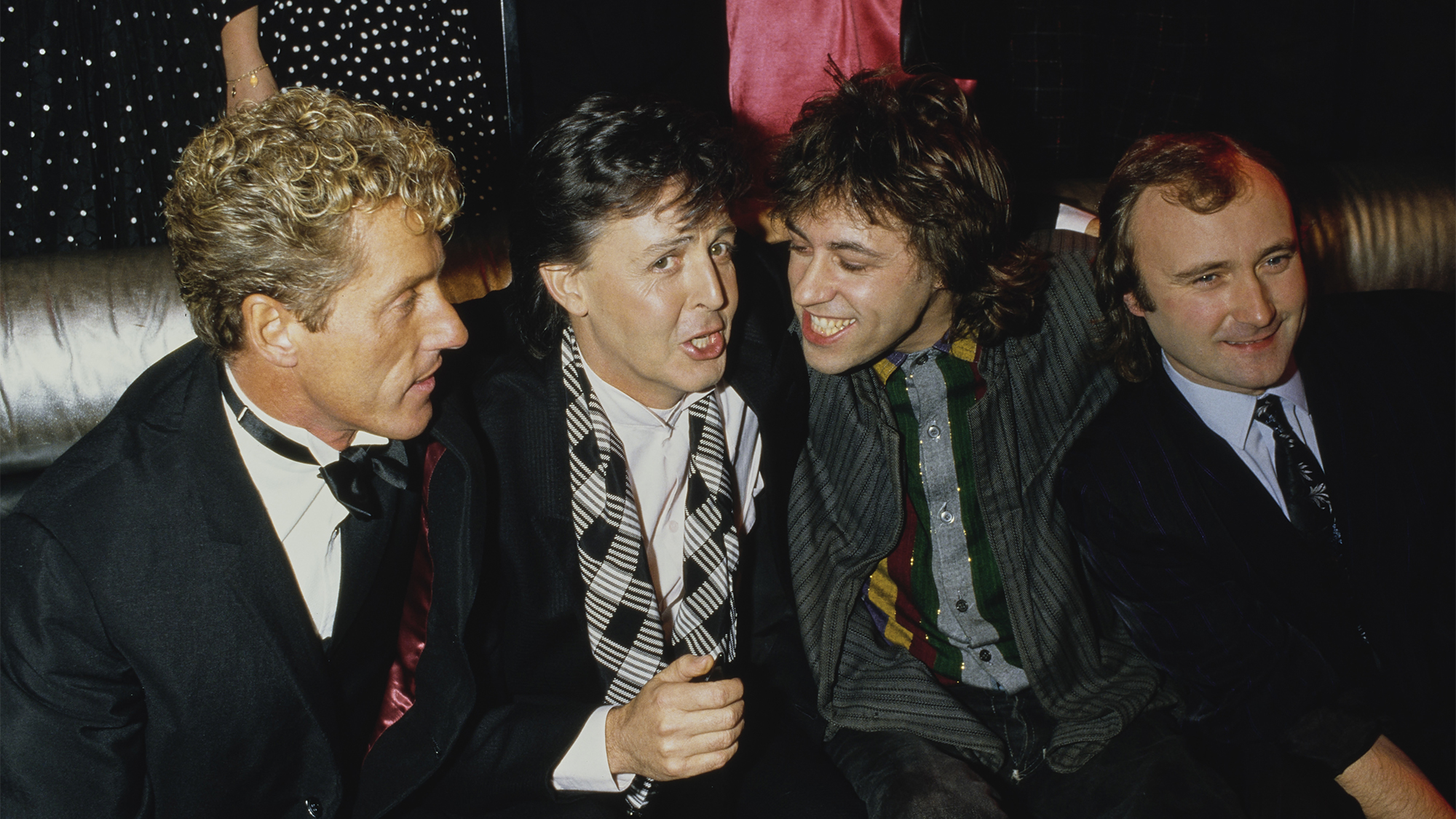
McCartney and Collins sit with Roger Daltrey (left) and Bob Geldof at any afterparty for the 13th Annual American Music Awards in Los Angeles, January 27, 1986. (Image credit: Dave Hogan/Hulton Archive/Getty Images)
McCartney subsequently contacted Collins about the incident. Collins later told NME, “He’s been in touch about it because he was upset. I certainly didn’t get any flowers from him; I got more of a ‘Let’s just get on with our lives.’”
The two musicians eventually put the dispute behind them. Earlier this year Collins said he wished he had never spoken publicly about the feud, noting that they had since “made up.”
Collins’ connection to the Beatles goes beyond his brief reference in the original Antholog release. He was among the musicians who did session work on George Harrison’s All Things Must Pass solo album in 1970, playing congas, but his contribution never made it onto the completed album. Years later, Harrison pranked the drummer into thinking his playing was so bad that it had to be cut.
“We eventually managed to have a laugh about it,” Collins said.
The Beatles Anthology | Official Trailer | Disney+ – YouTube
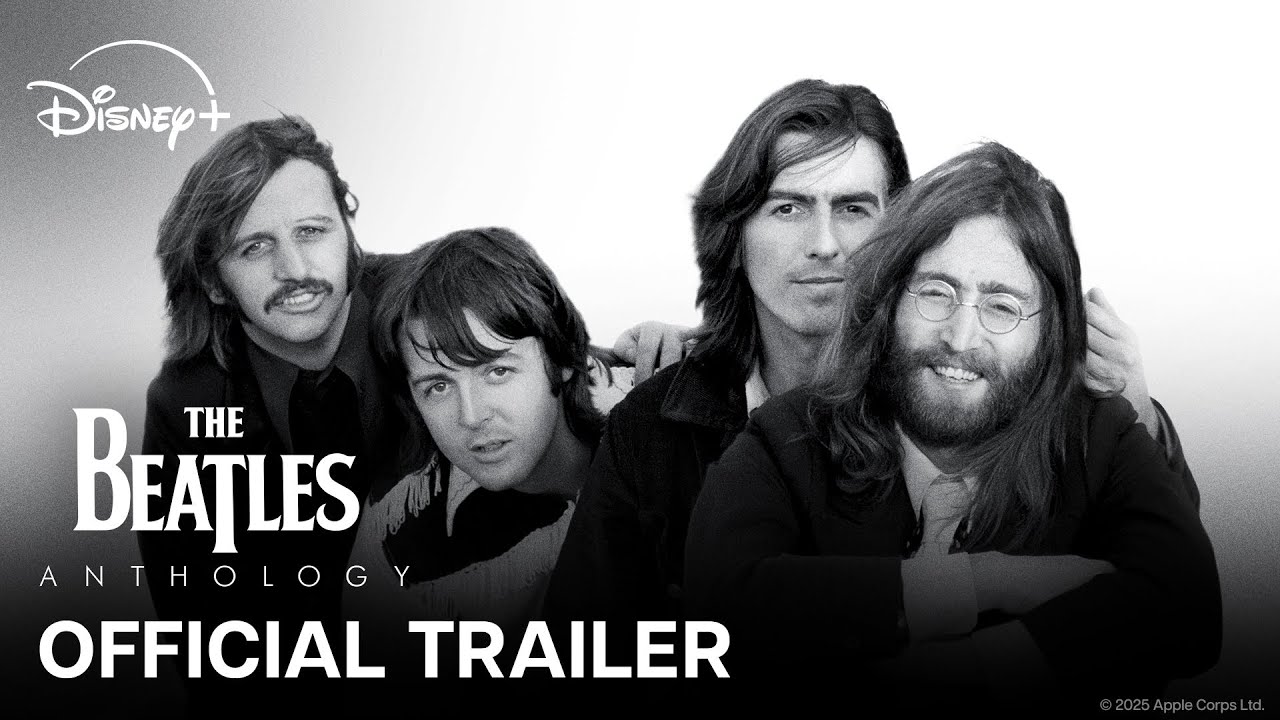
The 1995 Beatles Anthology documentary was the first major project in which McCartney, George Harrison and Ringo Starr participated in telling the story of the band themselves, with John Lennon represented posthumously through archival recordings and footage. The original Anthology series also accompanied the release of two new Beatles singles, “Free As a Bird” and “Real Love,” both built around Lennon recordings completed by the surviving Beatles.
For its 30th anniversary, The Beatles Anthology was restored and expanded with a ninth episode, directed by Oliver Murray, while the accompanying music collection was expanded with Anthology 4, overseen by Giles Martin, son of the late Beatles producer George Martin. The updated project includes new mixes of “Free As a Bird” and “Real Love,” as well as “Now and Then,” which was released in 2023 and described as The Beatles’ final single.