
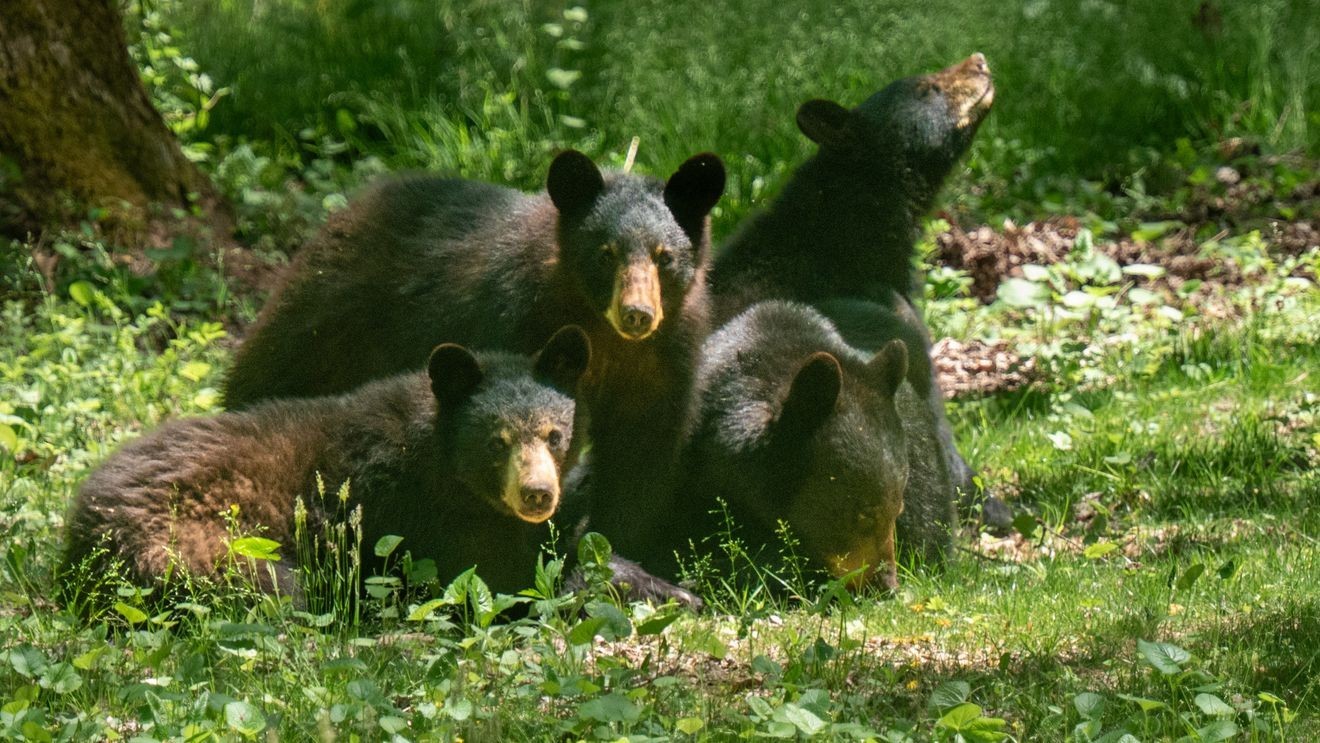
BUNCOMBE COUNTY, N.C. (WLOS) — Feeding black bears in Buncombe County could soon carry criminal consequences under an emergency rule approved by the North Carolina Wildlife Resources Commission as officials respond to hundreds of reported bear encounters and a growing number of bears entering homes.
The rule prohibits intentionally feeding black bears as well as leaving out food that attracts them. That could include unsecured trash and outdoor pet food.
Bird feeders are not automatically prohibited. However, they could fall under the rule if they attract bears that threaten human safety or cause property damage. Legal bait used for regulated hunting is treated similarly.
The commission says more than 40% of the human-bear interactions reported statewide occur in Buncombe County, primarily in Asheville, Black Mountain and Swannanoa.
EMERGENCY RULE TARGETS BEAR FEEDING IN BUNCOMBE COUNTY
Between May 1 and Sept. 30, the agency received 836 reports of bear activity in Buncombe County. Those included 71 reports of bears inside homes. Five pets were killed, two pets were injured and two people were injured.
The problem extends beyond the number of encounters. According to the commission, 72% of reported forced home entries by bears statewide during the past three years occurred in Buncombe County.
Capt. Shawn Martin with NC Wildlife’s Law Enforcement Division said the rule would give officers another way to respond when complaints come in about feeding.
“Our goal in this is just seeing it as a tool to where when we have a report that we have to investigate, we can go out, investigate it, we can educate the person, and try to help them alleviate any food-related issues they’re putting out,” Martin said.
VIDEO: BLACK BEAR BREAKS THROUGH GARAGE DOOR WINDOW IN SEARCH OF FOOD
Violations could result in a warning or citation, and Martin said the offense could carry a fine. Any law enforcement officer with jurisdiction in Buncombe County would be able to enforce the rule.
But Martin said enforcement is not intended to begin and end with citations.
“Charging someone is not our priority or our end goal of this. It is to educate and gain compliance because that’s how we fix the problem,” Martin said.
Wildlife officials already respond to complaints about people feeding bears.
“A lot of it, we already do as far as going out, whether it’s the enforcement division or our wildlife management personnel that get calls from the public on issues that they’re having, that maybe a neighbor is feeding bears and now that bear is spilling over to their residents looking for food sources and causing issues,” Martin said. “So we’re already investigating these, but now we just have a different tool to help gain compliance in that issue.”
OVER 60 BEARS EUTHANIZED IN EAST TENNESSEE DUE TO ‘HUMAN-BEAR CONFLICTS’ IN 2026
Ashley Hobbs with N.C. Wildlife said repeated access to food such as trash and bird feeders can cause bears to lose their fear of people and begin associating neighborhoods with food.
“When that happens, that puts them at closer interactions with us, which puts us in danger. If bears do become a threat to human safety, we may have to put that bear down as a state agency,” Hobbs said.
Wildlife officials point to bear-resistant trash containers as one way communities can reduce conflicts. Hobbs said Highlands has seen results after implementing them.
“They implemented bear-resistant carts and had lots and lots of success. An overall reduction in human-bear interactions,” Hobbs said. She added that similar efforts elsewhere in the country have also shown reductions in human-bear interactions.
WILDLIFE OFFICIALS WILL ATTEMPT TO CAPTURE, REHOME BEAR THAT INJURED ASHEVILLE RESIDENT
Buncombe County and the city of Asheville already have ordinances prohibiting bear feeding. The state rule would add criminal consequences and give wildlife officers enforcement authority.
The emergency rule still must receive final approval from the Office of Administrative Hearings. Wildlife officials hope it will take effect by Oct. 13.
An identical temporary rule is also moving through a separate process that will include a public comment period and public hearing.
Residents can report concerning bear behavior to the N.C. Wildlife Helpline at 866-318-2401. Officials say anyone facing an immediate emergency, including a bear breaking into a home or threatening someone, should call 911.