
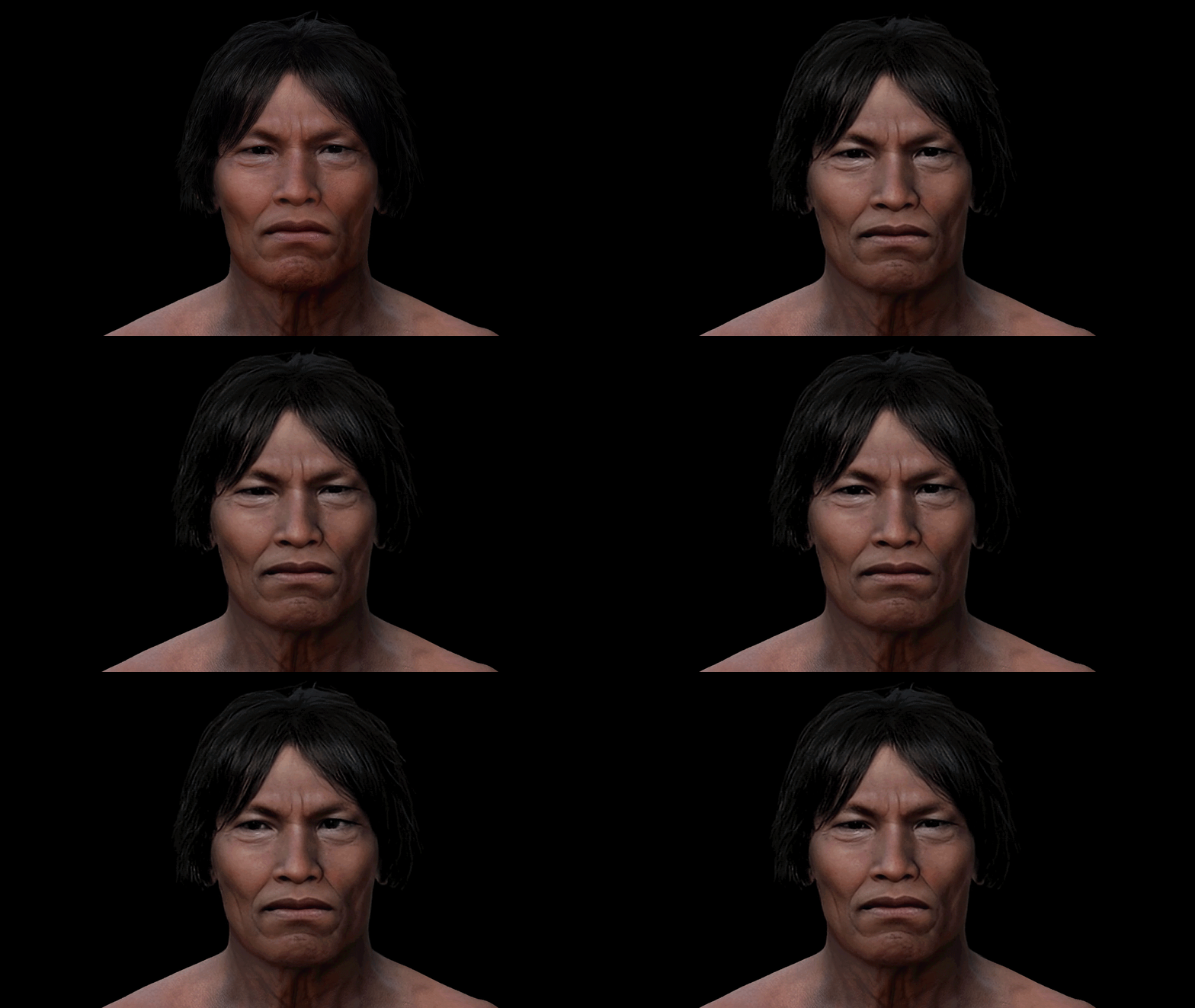
An international team has reconstructed the face of a man who lived in what’s now Ecuador more than 3,000 years ago and whose skull featured in one of history’s great anthropological debates.
The facial reconstruction is based on the Punin-2 skull, which a farmer discovered in a ravine near the town of Punín in the Chimborazo region of Ecuador’s central Andes in the 1970s.
Latest Videos FromLive Science
You may like
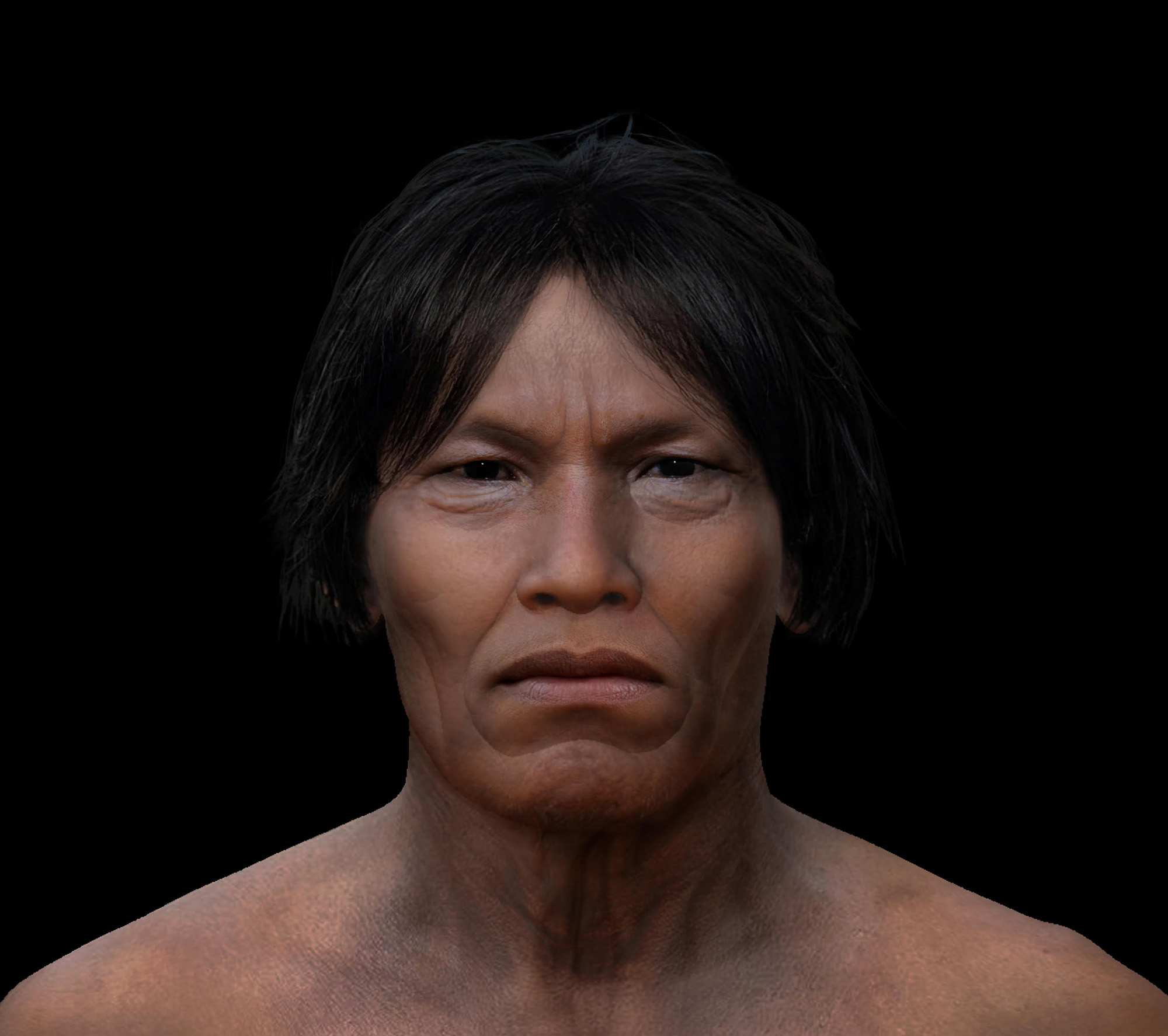
The facial reconstruction from the Punin-2 skull shows an Indigenous American man, roughly in his 50s, who died more than 3,000 years ago.
(Image credit: Dr Chris Rynn)
Disputed dating
What to read next
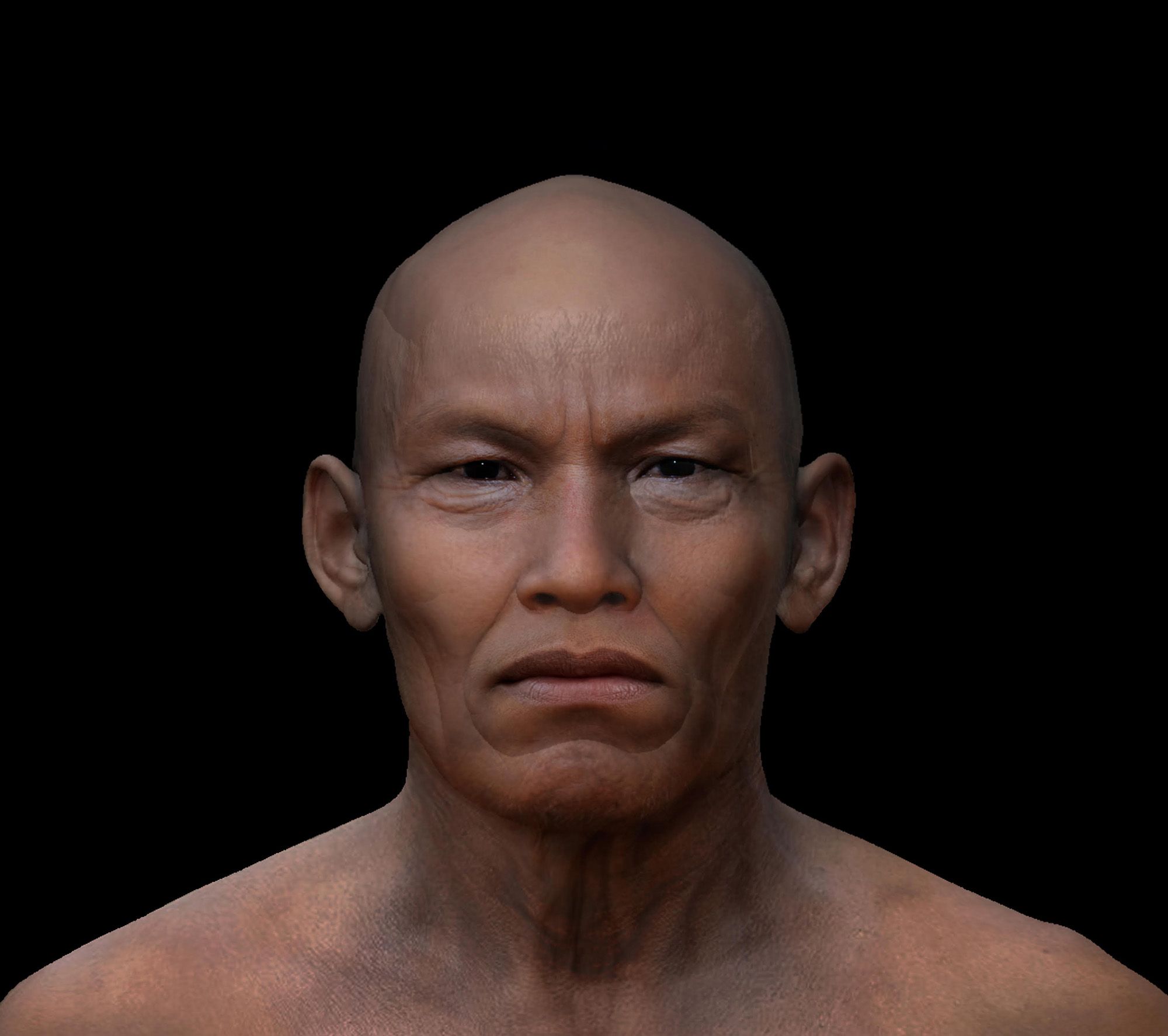
Image credit: Dr Chris Rynn
Details of the man’s hairstyle were not preserved with the skull, so the scientist who made the reconstruction consulted local people about it.
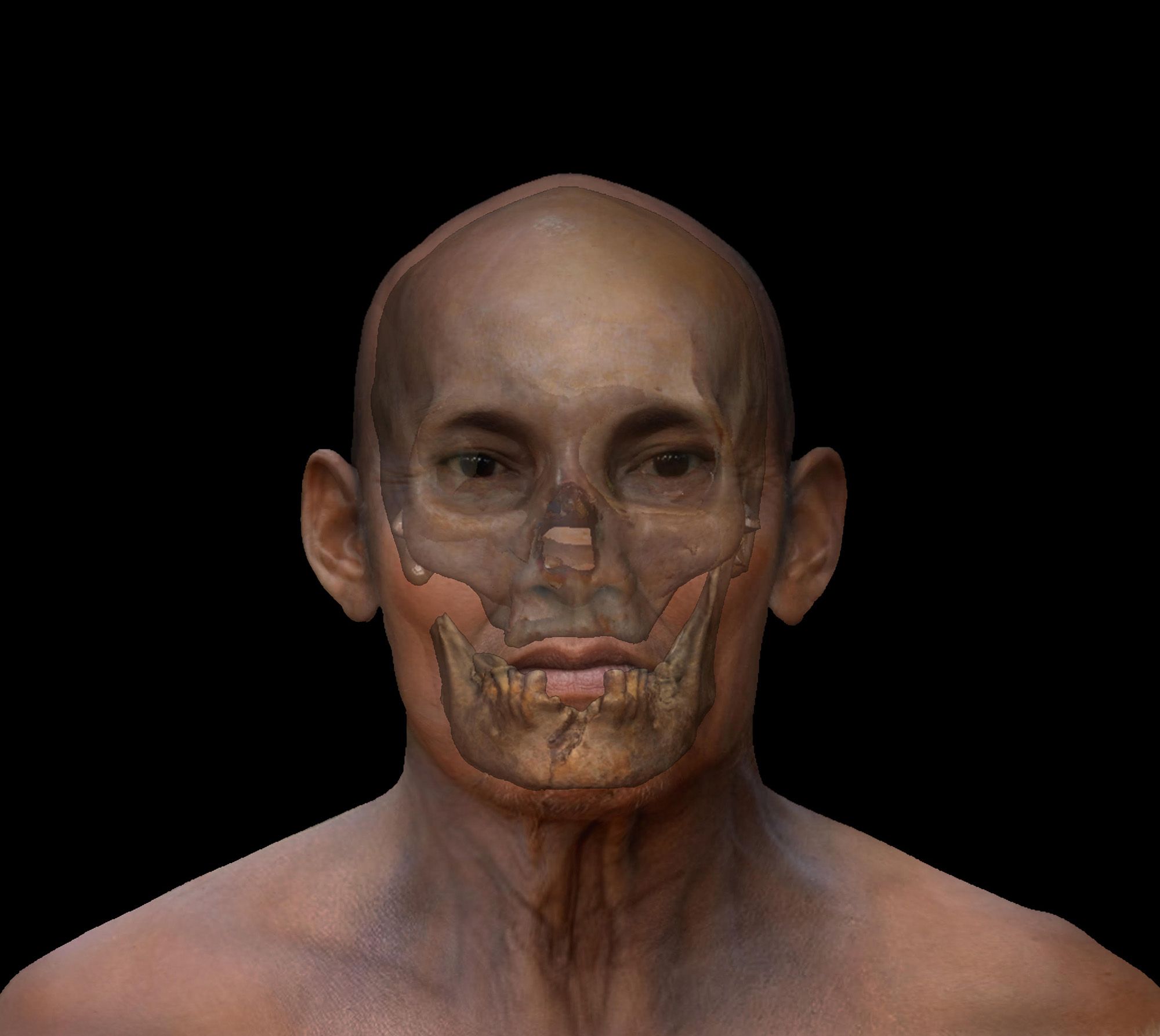
Image credit: Dr Chris Rynn
The facial reconstruction overlaid with the bones from the Punin-2 skull it was based on.

Although this reconstruction is digital, it shows the muscles and tissues of the man who lived as a hunter-gatherer more than 3,000 years ago.
(Image credit: Dr Chris Rynn)
Faces from the past