
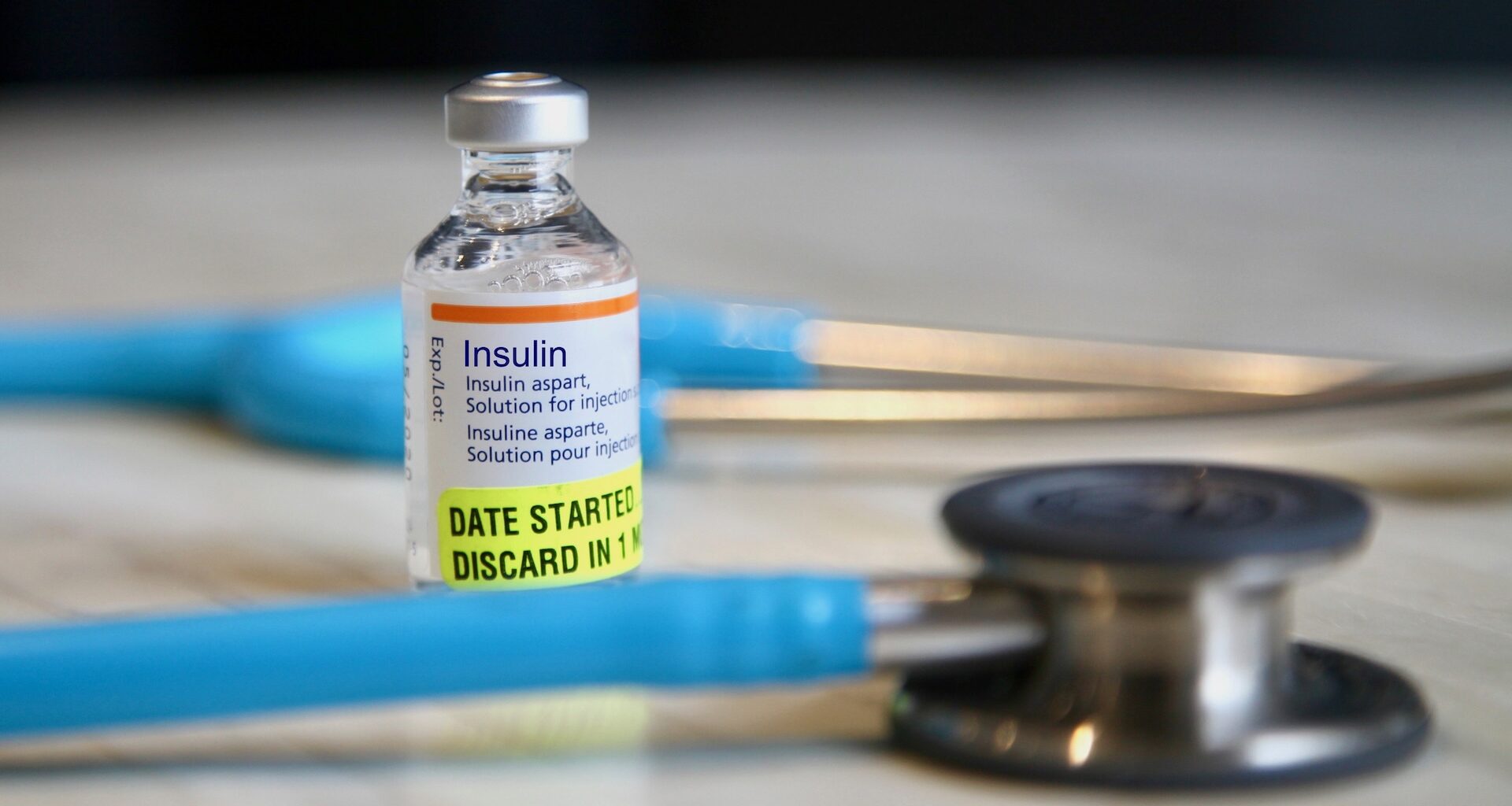
Insulin is often cited as proof that the United States can do something about runaway prescription drug costs. Yet for many Americans who need it to survive, the much-publicized $35 price still has not materialized.
The reforms that drew widespread attention have not delivered as much in practice as many people assume. Some data even suggests the problem may be worsening.
Here’s what to know
Even after years of state laws, federal action, and highly visible announcements from drugmakers, insulin remains unaffordable for millions of Americans. According to Vox, the price issue became a national flashpoint about a decade ago, but the impression that it had mostly been solved has not matched reality.
The issue drew especially intense outrage after Alec Smith died in 2017 while rationing insulin. That anger also grew out of repeated price hikes on a medication more than a century old, whose original patent, as Vox notes, was sold to a university for $1 to prevent commercial exploitation.
One of the first major policy responses came in Colorado, which passed a 2019 law limiting out-of-pocket insulin costs for many patients. Similar measures exist in 27 states and Washington, D.C., and Congress added a separate insulin provision to the 2022 Inflation Reduction Act that capped monthly costs at $35 for Medicare beneficiaries.
Still, those safeguards do not cover everyone, and they do not fix insulin’s underlying pricing system.
More background
Patients cannot simply stop taking insulin. When it becomes unaffordable, some ration their doses, putting their health at risk.
Shaina Kasper, executive director of T1 International, a global nonprofit that advocates for people with diabetes, said the gap between public promises and everyday reality remains enormous. “There has been so much attention and promise to action around the insulin price crisis,” Kasper said.
“And shockingly, frustratingly, critically, the data from our 2024 survey showed that the rationing rates were worse than ever. Ultimately, we’re facing such immense and monstrous corporate greed,” she added. “When we put a Band-Aid on one hole, another one’s going to find a way to pop out and keep profits high.”
Dr. Kasia Lipska, an endocrinologist and researcher working at the Yale Diabetes Center, further explained the complications of insulin costs for uninsured patients.
“It’s not as simple as just showing up at the pharmacy and asking for your insulin, and the sticker price is there, and that’s what you pay. It’s extremely complicated,” Lipska remarked.
Uninsured patients are often left paying the cash price for their life-saving medications, yet the programs advertising financial help can be confusing and obfuscate the enrollment process.
What’s being done?
Making insulin truly affordable will take more than state caps and a single Medicare-focused federal policy. Ideas being discussed include changes to drug pricing, insurance requirements, and possibly public manufacturing.
Lower caps on what patients pay at the pharmacy can help some people immediately, but they do not necessarily change the pricing behavior that helped create the problem.
For that reason, Kasper said the caps are better understood as an interim step than a lasting answer, calling them “a temporary fix for a very broken system.”
Where can I learn more?
These stories explore other factors tied to diabetes and medication safety. They cover dangerous heat exposure for people on certain medications and lifestyle factors tied to diabetes risk.
• During dangerous summers, common medications put at-risk individuals in greater danger as heat intensifies.
• Researchers say eating more red meat may be linked to diabetes and obesity risks.
• A plant-based diet may reduce type 2 diabetes risk for many adults.
• Doctors warn vaping and smoking significantly raise diabetes risk beyond the damage to the lungs.
Get TCD’s free newsletters for easy tips, smart advice, and a chance to earn $5,000 toward home upgrades. To see more stories like this one, change your Google preferences here.
