
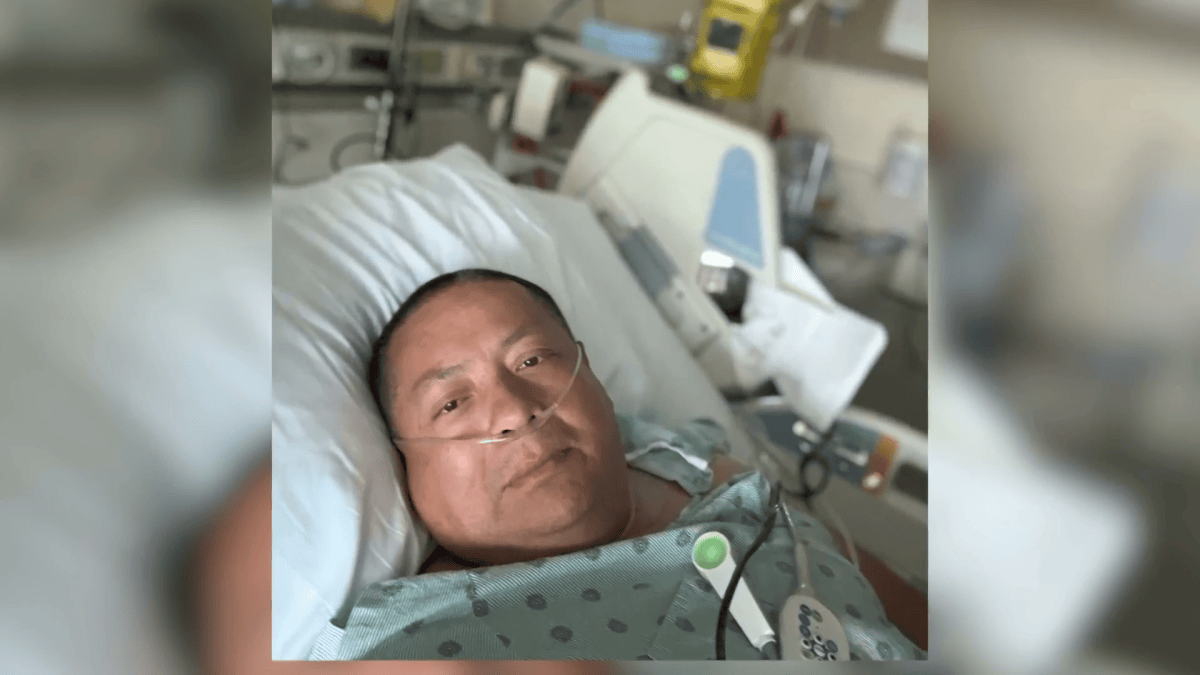
At 46 years old, Gerardo Rodriguez Salazar was diagnosed with stage 4 colorectal cancer and told it was terminal.
Five years later, he is sharing his survival story alongside the doctor he credits with saving his life.
“She changed my life,” Salazar said. “My life is 100 times better because of her.”
Dr. Gladys Rodriguez is a gastrointestinal oncologist and the director of the Hispanic Gastrointestinal Clinic at Northwestern Medicine.
The clinic is celebrating its first anniversary in October.
Salazar underwent years of chemotherapy and radiation at another facility without success. Eventually, he was given six months to live.
“I was just in excruciating pain, not ten out of ten pain, but like 15 out of 10 pain, just horrible pain,” he described. “They sent me a pastor to read me my last rites.”
But the father and grandfather wasn’t ready to give up. A friend told him about the GI cancer clinic where he met Rodriguez for a second opinion.
Her team was able to remove his colostomy bag and successfully treat his cancer with immunotherapy.
“Very few people with my type of cancer respond well to immunotherapy, but for me it worked,” Salazar said.
Unlike his first experience, Rodriguez and her team are bilingual.
“That makes it a lot easier for me to get my questions resolved, follow up, get the care that I need,” Salazar said.
Language is one of the biggest barriers to care for Spanish-speaking Chicagoans, Rodriguez said.
“Patients often just have a hard time communicating with [doctors], understanding their diagnosis, understanding their treatment plan, and you know treatment gets delayed,” she shared.
The goal of her clinic is to ease that burden through second opinions, screening for clinical trials and offering continuity of care.
“We formed a group of all bilingual providers, starting from the front desk. Someone who picks up the phone and speaks Spanish, helps patients coordinate their care,” she said.
“From our medical assistant as well, who comes and takes vitals. Our nurse,” she continued. “Our patient navigator, who helps patients with medications, checks on them. And then, you know, a GI oncologist, me, who sees a patient.”
According to the American Cancer Society, Hispanic people have double the rates of liver and stomach cancers compared to white patients.
Cancer disparities in Hispanic people partly reflect less access to health care; 25% of Hispanic people 18 to 64 years of age are uninsured, three times that of White people, according to the society.
The organization says access to cancer prevention and early detection services is essential to reducing and ultimately eliminating cancer disparities, a sentiment Salazar shares.
“Don’t stay quiet,” Salazar said. “Look for second opinions, talk with your doctor, and if you notice something is off in your body, say something, speak up, because prevention can save lives.”