
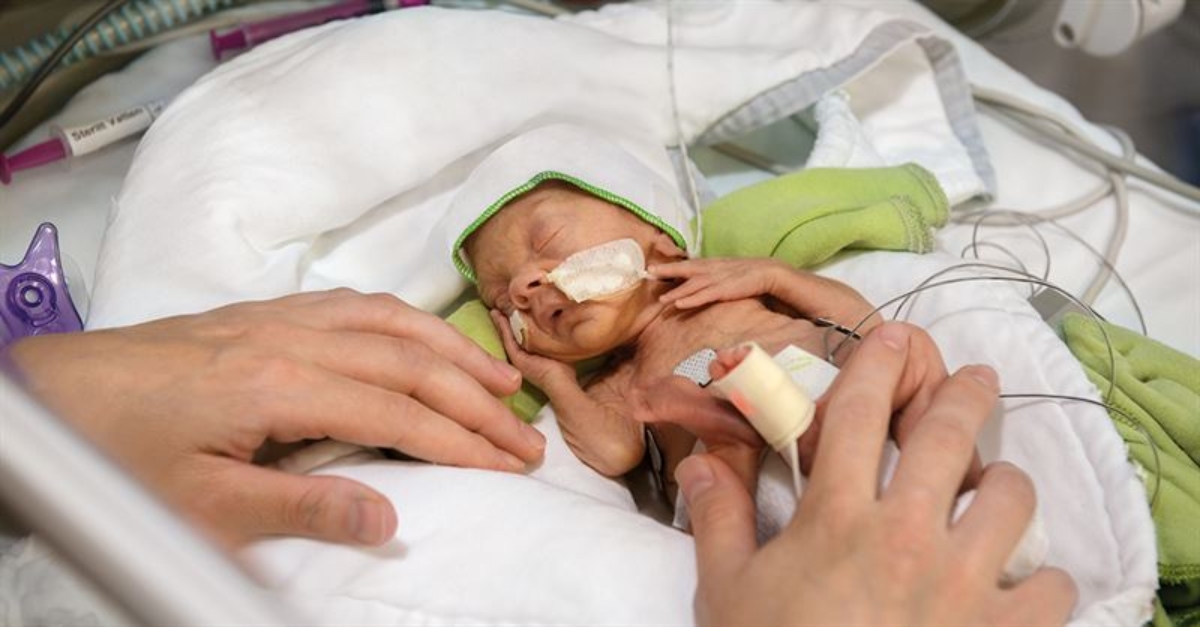
Getinge has received U.S. Food and Drug Administration (FDA) 510(k) clearance for its new 6Fr/48 cm Edi catheter, which was designed for premature infants weighing between 500 and 1,000 grams.
Available internationally since 2025, the company’s Edi catheter is now launching in the United States, where more than 350,000 babies are born prematurely each year, including over 22,000 with extremely low birth weight.
Used with Getinge’s Neurally Adjusted Ventilatory Assist (NAVA) technology, the catheter measures electrical activity of the diaphragm to synchronize ventilator support with a patient’s breathing efforts. It also functions as a feeding tube, enabling clinicians to monitor respiratory effort and deliver NAVA therapy through compatible Getinge Servo ventilators.
The smaller catheter extends NAVA use to some of the most fragile neonatal intensive care patients, supporting individualized respiratory care during early development.
Last month, the company released its Torin Plan Optimizer, an artificial intelligence (AI)-powered decision support solution for surgical planning.
Elin Frostehav, president of Acute Care Therapies: “The smallest babies often have the most complex respiratory needs. This clearance allows us to bring our latest Edi catheter to hospitals across the U.S. and support clinicians caring for extremely premature infants. By expanding the range of patients who can benefit from NAVA, we can help deliver more personalized respiratory support to some of the most vulnerable patients in healthcare.”
Dr. Miray Kärnekull, medical director, Critical Care: “Caring for extremely low birth weight infants requires therapies that can be adapted to each patient’s individual needs. The addition of this smaller catheter gives clinicians the ability to use established NAVA technology with even smaller babies than before. This contributes to optimized patient-ventilator synchrony while expanding access to personalized respiratory support for a particularly vulnerable patient population.”