
 LAUREL COUNTY, Ky. —
Just days after Kentucky’s measles case count hit 100, dozens more have been reported.
As of Wednesday, the number of cases reported in the Commonwealth is now 157 for 2026.
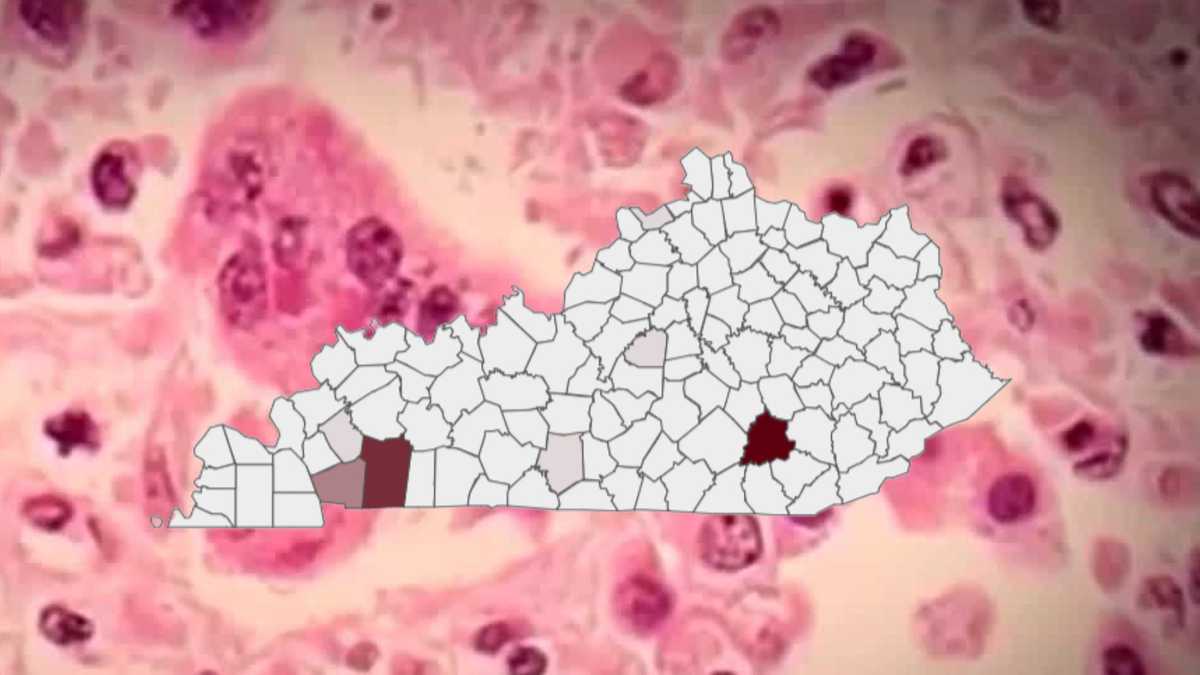
Most of those come out of Laurel County, which had seven cases just a few days ago. Now, it has 56, according to the state’s dashboard.
Laurel County is in southeast Kentucky,
The dashboard says that outbreak involves people who are unvaccinated from several large households that have been “isolated from the broader community.”
This content is imported from infogram. You may be able to find the same content in another format, or you may be able to find more information, at their web site.
In only one case did the person report having the full vaccine. One case had one MMR dose, and the rest didn’t have any.
Of the total state count, nine of those cases have led to hospitalization.
So far, no deaths have been reported.
There were only 13 cases overall in 2025, and none were reported the year prior.
What to know about measles
Measles is a disease caused by a highly contagious virus.
It is spread through the air when someone with measles sneezes, coughs, or breathes.
Symptoms include high fever, cough, runny nose, red and watery eyes, and rash. Tiny white spots can appear inside the mouth two to three days after symptoms begin.
The disease can be especially severe in infants, pregnant women, and people who have weakened immune systems.
While rare, measles can result in death.
What Kentucky health officials are saying
Kentucky health officials have warned this is the highest case count in decades. Dr. Steve Stack, with the Kentucky Cabinet for Health and Family Services, along with other local health officials, has been encouraging people to get vaccinated.
“We do not need to have measles,” Gov. Andy Beshear said last month. “We have a proven tool that for over a quarter century eliminated it from the United States. The only reason it’s resurging now is because of, I think, negligent information and guidance being shared freely. We want people to not feel vilified or maligned. We want people to feel informed.”