
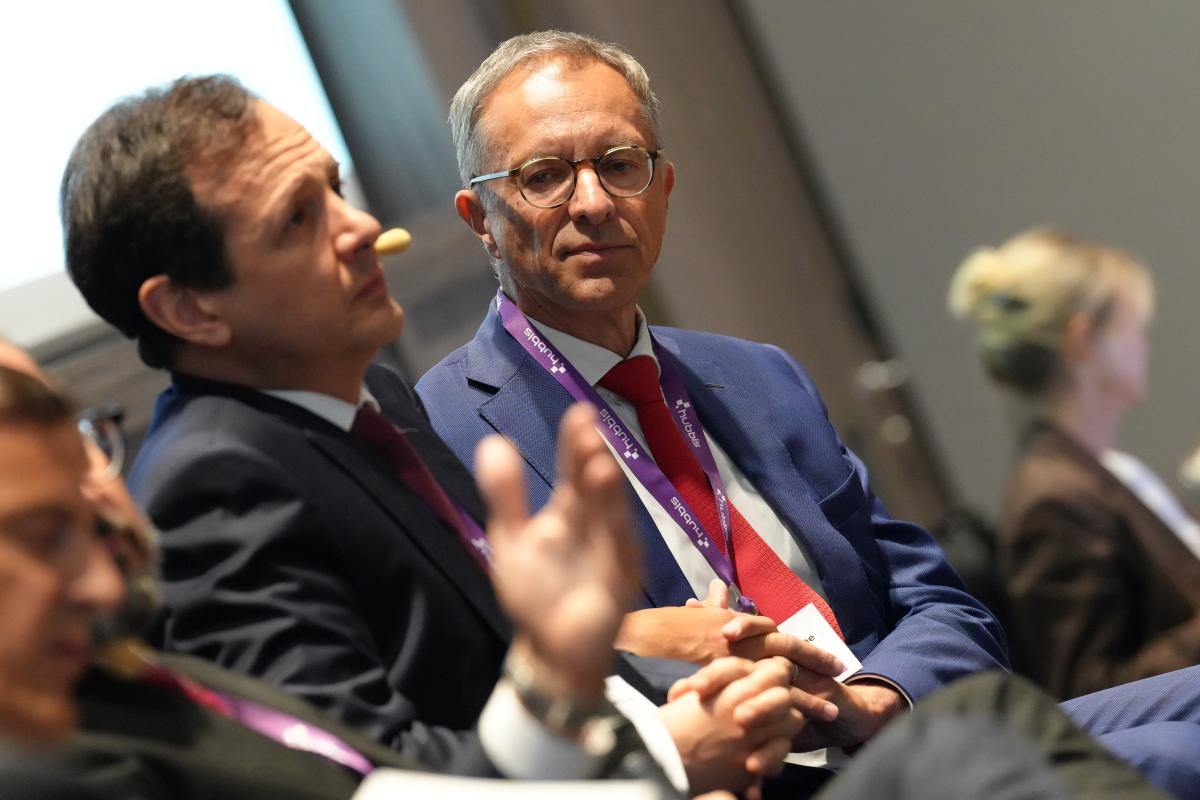
As family members move between jurisdictions, succession planning has to account for new exposures and changing relationships with the family business. Hugues Salomé described a preference for simpler structures that are easier for authorities to understand and aligned with the activities they support. He also identified insurance as a potential source of liquidity when family wealth passes to the next generation.
Speaking on the opening panel at the Hubbis HNW Insurance Summit – Zurich 2026, Hugues Salomé, Partner Tax, Head of Family Office and Private Clients Services – Switzerland at KPMG, discussed the direction of family structuring and the more limited use of insurance in his Swiss succession planning work. His contribution connected cross-border considerations with the practical need to accommodate family members who no longer wish to remain in the business.
Key Takeaways
A family member’s move to another jurisdiction can create new exposures that need to be considered in the structure.
Salomé described a trend towards simpler arrangements that are easier for authorities to read and aligned with business functions.
Onshore structures can offer tax benefits, with treaty access forming part of the assessment.
His own succession planning work has used trusts and other structures more often than insurance, possibly reflecting Switzerland’s relatively stable tax framework.
Insurance can help create liquidity, including funds to buy out family members who do not want to remain involved in the business.
Mobility Creates New Planning Questions
Salomé highlighted the consequences of a family member moving to a new jurisdiction. Such a move can introduce additional exposures, requiring advisers to consider how the family’s arrangements will operate across the countries involved.
His response focused on the structure itself. He described a preference for arrangements that are straightforward to understand and connected to the business activities they serve.
“The trend is towards simpler structures, easy to read by the authorities and aligned with business functions,” he said.
That approach places clarity and commercial alignment within the planning decision. As families become more international, the arrangement needs to make sense in relation to the underlying business and the jurisdictions in which family members live.
The Benefits of Onshore Structures
Salomé challenged the assumption that tax benefits require a structure located in a tax haven. He said clients are recognising that onshore arrangements can also offer advantages, including benefits associated with double taxation treaties.
“Compared with structures based in tax havens, onshore structures can also provide benefits from a tax point of view,” he explained.
His wider argument linked those benefits to the structure’s business purpose and how it is understood by authorities. Tax considerations remain part of the assessment, but the direction he described favours arrangements that are easier to explain and aligned with the functions they perform.
Established Swiss Practice
On insurance, Salomé was candid about his own experience. “So far, I have been using trusts and other structures, not so much insurance products for succession,” he said.
He offered Switzerland’s tax framework as one explanation. Unlike France, where life insurance products receive preferential tax treatment, the Swiss tax system is more neutral on this point. It was a tentative observation about why insurance had been less prominent in the family planning work he described, rather than a dismissal of its usefulness.
Liquidity for Family Succession
Salomé identified liquidity as a concrete role for insurance. During a transfer of family wealth, some family members may wish to continue in the business while others prefer to leave. Funding those different choices can become part of the succession challenge.
“Some products can help create liquidity and generate sufficient funds to buy out family members who are not interested in being in the business anymore,” he said.
He regarded that application as an area for further exploration among Swiss-based families. Insurance could therefore be considered alongside the structures already used for succession, with a specific purpose: providing funds to support the transfer and accommodate differing intentions within the family.