
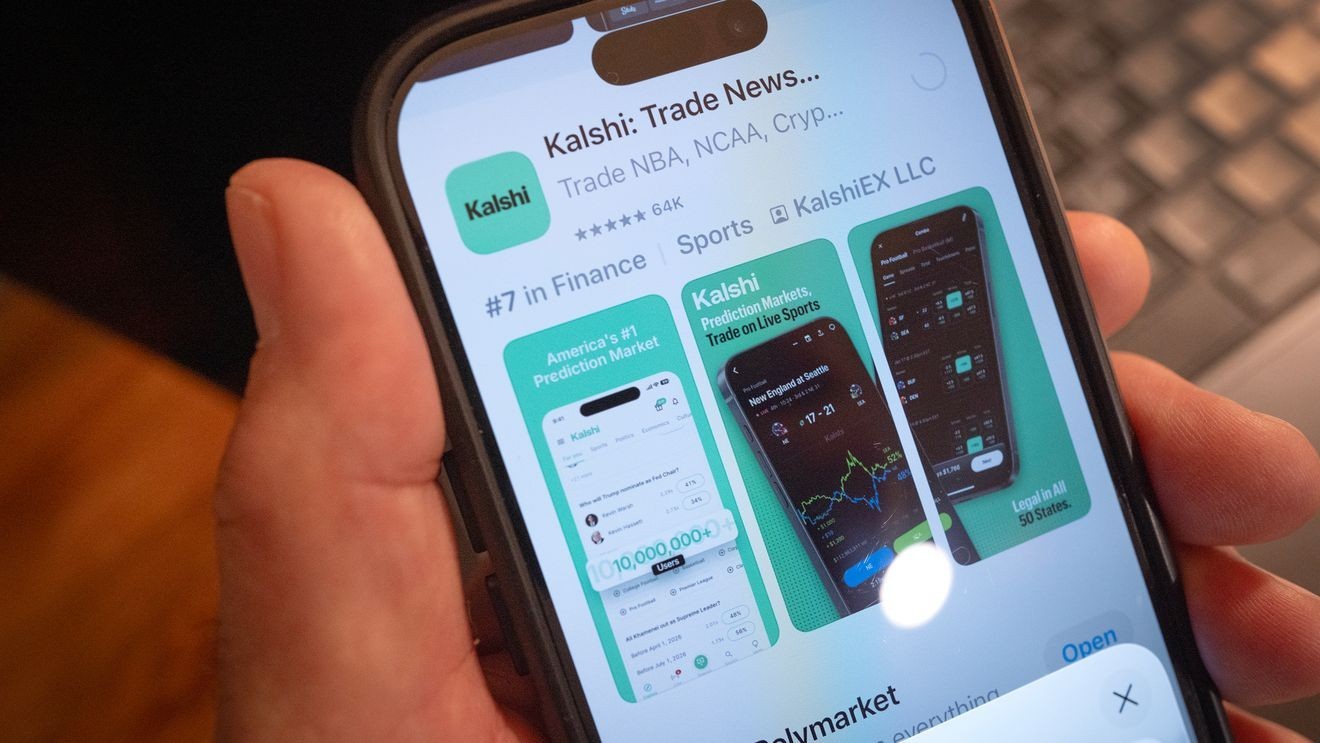
A Texas Senate race has become one of Kalshi’s biggest election markets. As of Oct. 16, the platform showed more than $30 million in trading volume for the race. That number tracks the value of contracts traded over time. It doesn’t tell us how many people traded or how much money is currently at risk, but it gives a sense of the interest in the race.
Kalshi and Polymarket offer contracts on all kinds of outcomes, from sports and elections to weather, cryptocurrency, and entertainment.
How prediction markets work
Users buy and sell contracts tied to yes-or-no questions about future events. Prices move as people trade and can reflect how likely the market thinks an outcome is. A contract pays out according to its terms when the event is over.
The platforms classify these products as federally regulated derivatives. Jared Elson, president and CEO of Authentikos Advisory, said that makes them different from traditional gambling.
“Betting or gambling, you’re typically using a casino or a bookkeeping service to place a wager,” Elson explained. “On services like Polymarket, Kalshi, it’s actually a derivative. You’re trading a contract.”
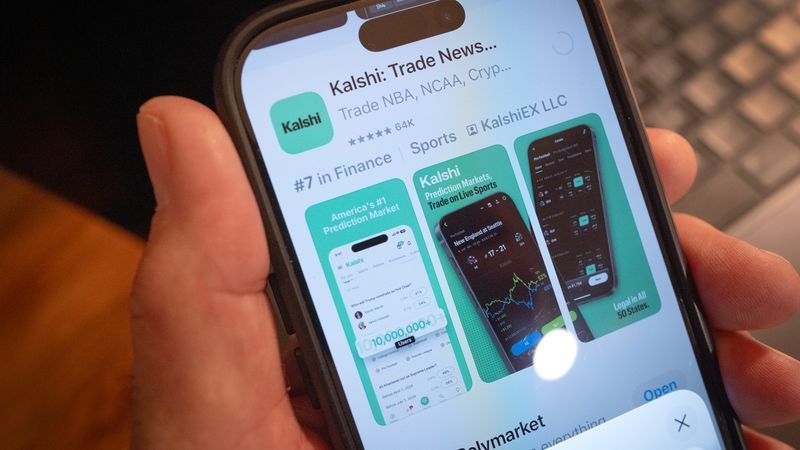
In this photo illustration, An app for Kalshi, an online prediction market site, is shown on February 25, 2026 in Chicago, Illinois. (Photo Illustration by Scott Olson/Getty Images)
Texas races draw attention
On Kalshi and Polymarket, users can see how traders are sizing up the Texas Senate race between Attorney General Ken Paxton and state Rep. James Talarico.
“I think these Texas elections are so closely contested that it brings a lot of attention,” Elson said.
Elson says some people are turning to prediction markets rather than polls as midterms approach.
A 2025 Vanderbilt preprint study found that Polymarket’s forecasts outperformed traditional polling in the 2024 presidential election, particularly in swing states. The authors said more research is needed to determine whether those findings apply to other elections.
“A lot of times Polymarket got right what the polls got wrong. And a large reason for that is there’s real money being placed on Polymarket,” he said.
The markets also raise questions about whether people with inside information could influence a market or profit from it.
During the Republican primary, Kalshi said it found that Texas congressional candidate Zeke Enriquez had traded less than $100 in contracts related to his own candidacy.
Kalshi fined him $784.20 and suspended him from the platform for five years. The penalty came from the company, not a Texas regulator.
Enriquez finished 11th in the Republican primary for Texas’ 21st Congressional District with 1.4% of the vote.
We asked Kalshi what safeguards it has to catch incidents like this. A spokesperson said: “Under federal law and our rules, insider trading is banned: we proactively block candidates and campaign staff from trading in election markets, and we use real-time surveillance to detect and punish violations.”
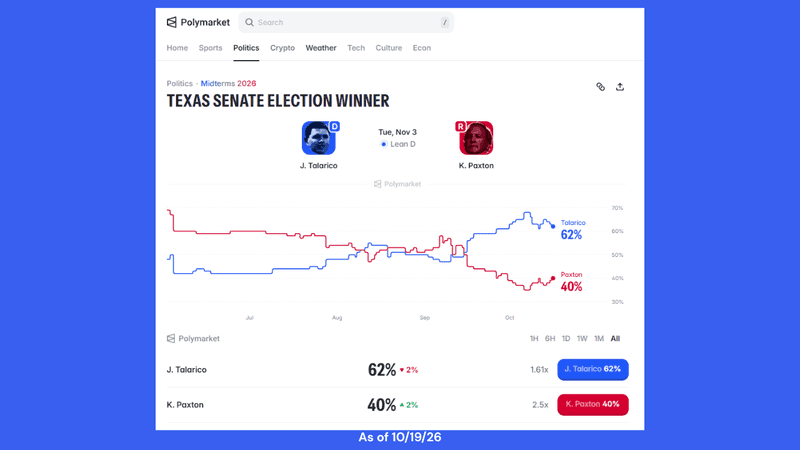
Texas election markets draw big money as lawmakers weigh oversight
Texas lawmakers examine the rules
The Texas Senate Committee on State Affairs held a hearing on prediction markets in September.
The committee’s interim charge calls for studying whether federally regulated derivative markets are being used to get around Texas gambling prohibitions. It also asks for recommendations to protect the integrity of Texas elections and sports. The hearing did not change state law.
State Sen. Bob Hall said he believes Texas should be able to act.
“It is gambling. It doesn’t matter how it’s done,” Hall said during the hearing.
Jon Taylor, chair of UT San Antonio’s political science department, expects the issue to come up again during the legislative session, when lawmakers are likely to debate gambling policy.
“We’ve had huge fights in the Legislature over gambling, casino gambling and sports gambling in just the last three legislative sessions,” Taylor said. “I would not be surprised to see this bubble up big time in ’27.”
Kalshi says its event contracts are federally regulated and warns that state restrictions could push Texas users to offshore platforms.
Robert DeNault, the company’s head of enforcement and legal counsel, said at the hearing that states could instead work with prediction-market companies on consumer protections, including risk disclosures and marketing rules.
For now, Texas lawmakers are studying the issue. Other states have moved to regulate prediction markets, but Kalshi and Polymarket maintain that they are already regulated at the federal level.
The companies’ U.S. operations are registered with the Commodity Futures Trading Commission as designated contract markets.