
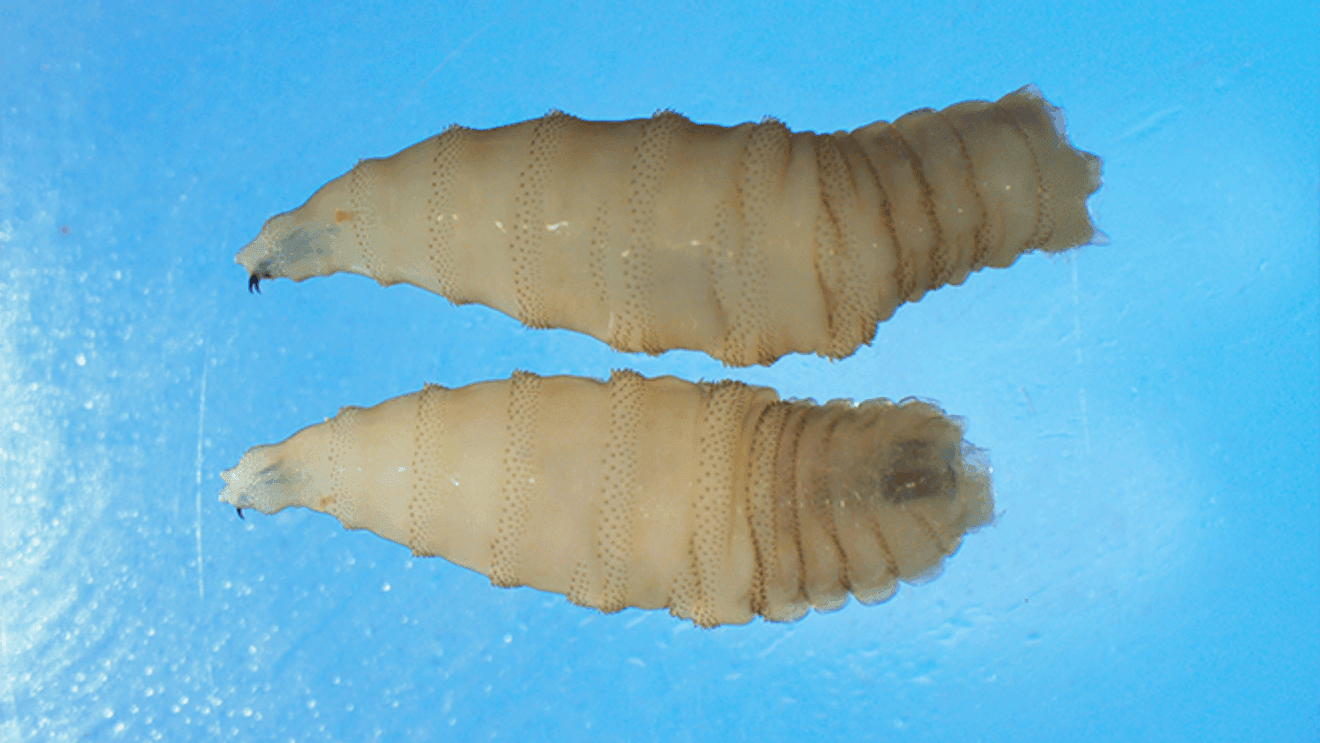
The U.S. Department of Agriculture confirmed the first detection of New World screwworm in U.S. wildlife, identifying the flesh-eating parasite in an elk harvested by a hunter at a Texas game ranch.
The elk was found in Pecos County on Wednesday, the department’s Animal and Plant Health Inspection Service said in a news release. The animal was reported after it was harvested, the agency added.
The detection involves a pest that can infest livestock, pets, wildlife and, in rare cases, people. New World screwworm larvae burrow into the living tissue of warm-blooded animals, causing severe and sometimes deadly injuries, according to the USDA.
The agency urged hunters, landowners, outdoor recreationists, and wildlife professionals to watch for signs of infestation and report suspicious cases.
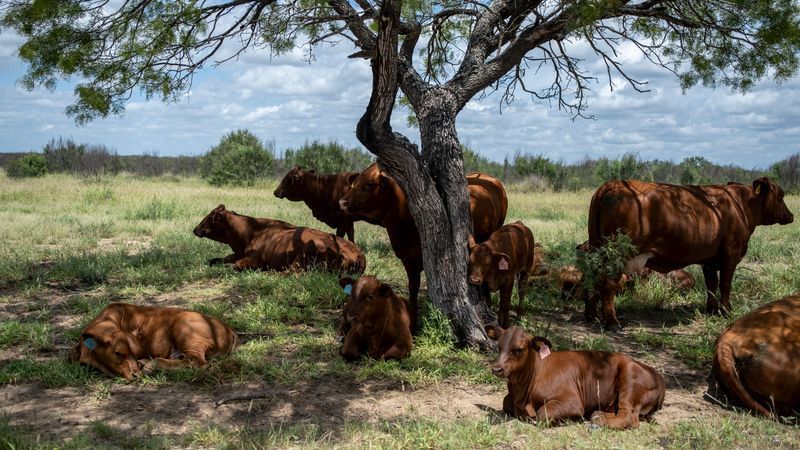
LA PRYOR, TEXAS – JUNE 11: Cattle roam Chapparosa Ranch on June 11, 2026 in La Pryor, Texas. The first case of New World Screwworm infection, since its eradication from the country in 1966, was reported in Texas last week by the United States Department of Agriculture. (Photo by Joel Angel Juarez/Getty Images)
Signs include the following:
Visible maggots (larvae) in wounds or body openingsOpen, draining, or enlarging woundsFoul-smelling injuriesAnimals that appear weak, lethargic, isolated, or in distressSigns of infestation around the nose, mouth, ears, eyes, or genital areas”If you see anything suspicious, report it immediately,” the agency said. “Early reporting is one of the most important tools we have to protect wildlife, livestock, and pets in the United States.” the USDA said.
The Texas Animal Health Commission will revise an existing infested zone following the detection. USDA and the Texas Parks and Wildlife Department are conducting wildlife surveillance in the area, the agency said.
New World screwworm was eradicated from the U.S. in 1966 through the release of sterile flies, though a smaller outbreak in the Florida Keys was eliminated in 2017.
The pest remains endemic in Cuba, the Dominican Republic, and parts of South America, while recent northward movement through Central America and Mexico has renewed concerns about its return.