

Listen to this article
Estimated 3 minutes
The audio version of this article is generated by AI-based technology. Mispronunciations can occur. We are working with our partners to continually review and improve the results.
Prince Edward Island’s mobile mental health program is receiving funding from the federal government to continue for another year, extending the program that was expected to end in the spring.
The renewal of the previous agreement will now remain in place until March 31, 2028.
The program supports those experiencing a mental health crisis. It is funded by the provincial and federal governments, and allows Islanders to make a phone call answered by a mental health professional and receive care that could include sending a mobile team.
Medavie Health Services, which conducts operational management of the program, said the mobile mental health program has played “an important role” in supporting Islanders during mental health challenges over the past five years.
“We are proud of the impact this service has made and grateful for the continued partnership and support of the Government of Prince Edward Island,” a statement from the organization reads.
“The extension will allow us to continue this important work and support the mental health and well-being of Islanders.”
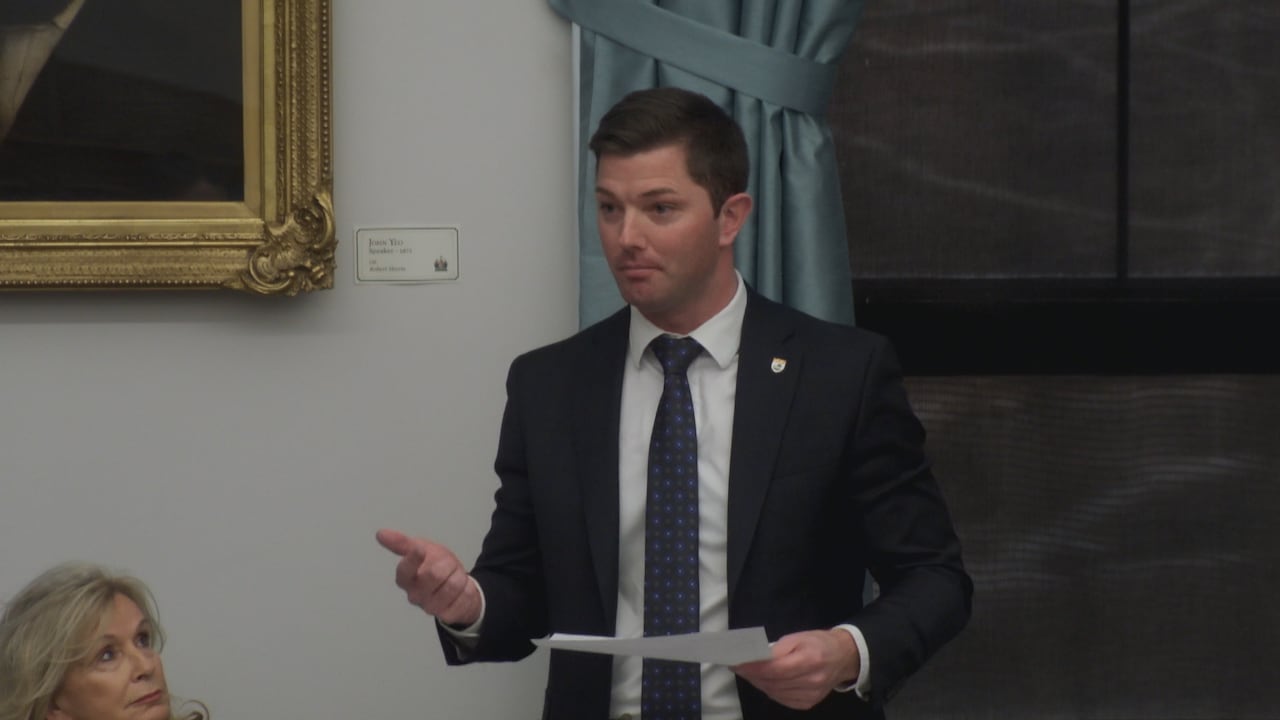
During question period earlier this year, Health and Wellness Minister Cory Deagle listed off several of the programs that he says Ottawa will not fund in the coming years, including mobile mental health units and student well-being teams. (Legislative Assembly of P.E.I.)
In April, provincial Health and Wellness Minister Cory Deagle said Ottawa was cutting more than $29 million in health-care funding to P.E.I. over the next few years, including $2.6 million for mobile mental health units and student well-being teams that was slated to end in March 2027.
Deagle said without that money, the cost would be absorbed by the province in its entirety.
In a statement, the Department of Health and Wellness said the renewal of the agreement ensures “continued delivery of these important services for Islanders” but that long-term funding “is essential to maintaining service continuity and supporting future planning.”
“These services help ensure Islanders can access timely, appropriate support from specially trained professionals when and where they need it,” the statement reads.
“P.E.I. will continue working closely with provincial and territorial partners to advocate for a long-term federal funding commitment that reflects the ongoing mental health and addictions needs of Islanders.”
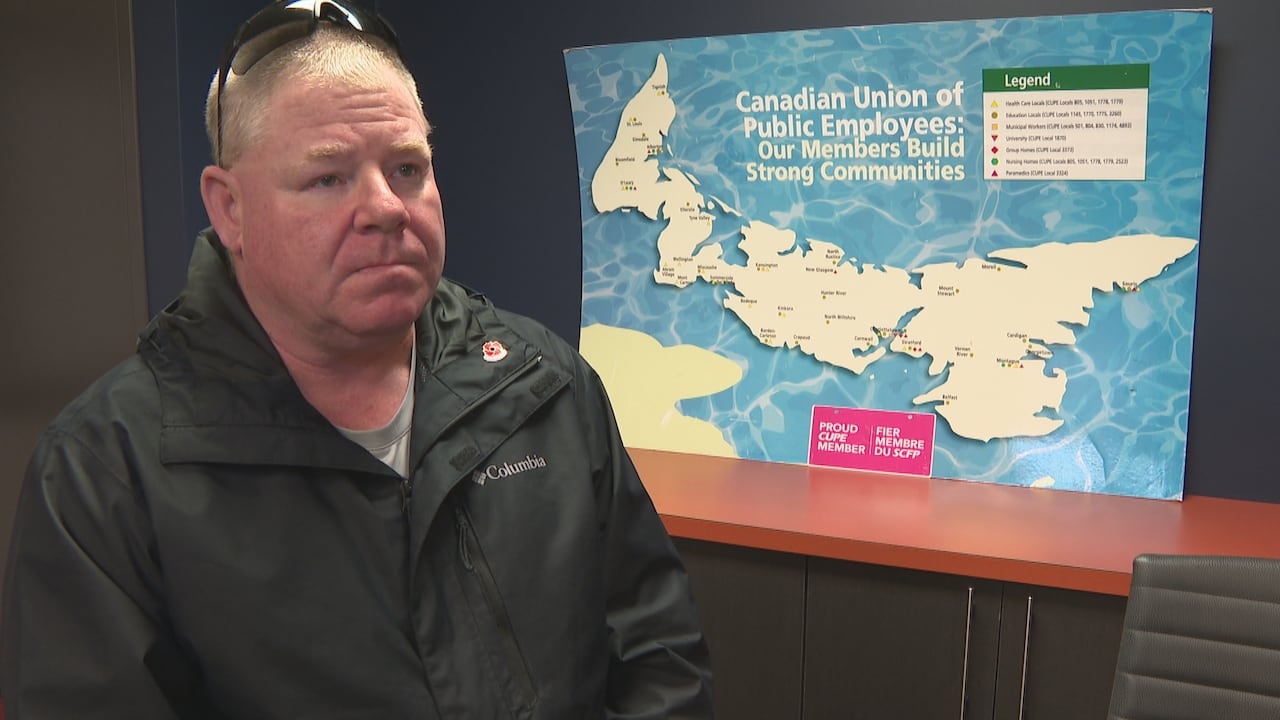
‘Mental health crisis response will eliminate long wait times for ground ambulance services and it will also eliminate wait times for emergency room waits,’ says Jason Woodbury, president of CUPE Local 3324. (Connor Lamont/CBC)
The president of the union that represents paramedics in the province also lauded the extension, calling the program a “valuable resource.”
“This has huge impacts — huge impacts on Islanders and huge impact on the overall health system of Prince Edward Island,” said Jason Woodbury, president of CUPE Local 3324.
“Mental health crisis response will eliminate long wait times for ground ambulance services and it will also eliminate wait times for emergency room waits.”
Woodbury said the mobile mental health program reduces 911 calls and has “direct access” to Islanders who may be experiencing a mental health crisis but don’t need access to the emergency system.
“When Islanders have a feeling of having services and resources at their disposal and suddenly they become cut, there’s repercussions, and those repercussions usually affect the acute care,” he said.
“We are always advocating for resources put into the system.”