
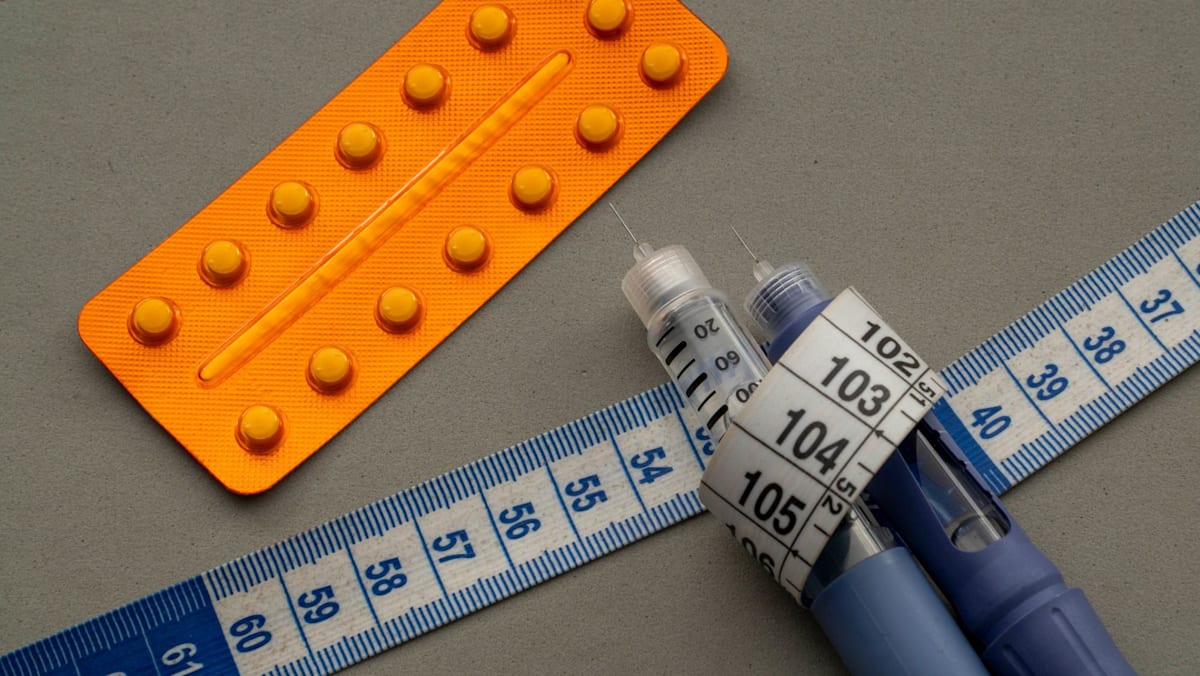
As for stacking a GLP-1 RA with other weight-loss medications, it is done at some obesity clinics in Singapore but there is no large, randomised trial to support the practice, according to Dr Yeo. “Combination therapy is used in a few narrow situations, after a proper trial of one drug, but not at the first visit.”
Such situations may include a partial response, where the patient has lost some weight on a tolerated GLP-1 RA dose but is short of the target. “And the dose cannot be pushed higher because of the side effects or cost,” explained Dr Yeo.
Another scenario for combination therapy is weight-loss plateau. “The patient’s weight has been stable for about three months on a maximal tolerated dose,” listed Dr Yeo. “Adherence and diet have been checked, and surgery has been declined.”
Conversely, there are also patients who haven’t opted for GLP-1 RA medications, he said. “The patient’s target weight as well as usage duration are considerations. If it is just for short term use, phentermines or orlistat can be considered instead.” Another factor is cost “because GLP-1 RA tend to be more expensive”, said Dr Yeo. A month’s supply of Ozempic shots, for instance, can cost around S$400 or more.
WHAT ABOUT THE SIDE EFFECTS?
Whether injected or ingested, GLP-1 RAs can cause side effects, mainly gastrointestinal symptoms such as nausea, vomiting, bloating, constipation or diarrhoea, said Dr Ho. “These side effects are common. But they can be mitigated by gradual dose escalation and they usually improve over time.”
Even with those measures in place, Dr Ng highlighted that GLP-1 RA medications are not for everyone. “We are particularly cautious with people with previous pancreatitis, significant gastrointestinal disease, severe kidney or liver problems, pregnancy, and certain other medical conditions. The decision should, therefore, be made after a proper medical assessment.”