
NEED TO KNOW
NOAA forecasts a minor geomagnetic storm from Friday night into early Saturday morning
Alaska has the highest visibility chance, while northern border states may see the aurora
Dark locations away from city lights offer the best viewing conditions between 10 p.m. and 2 a.m.
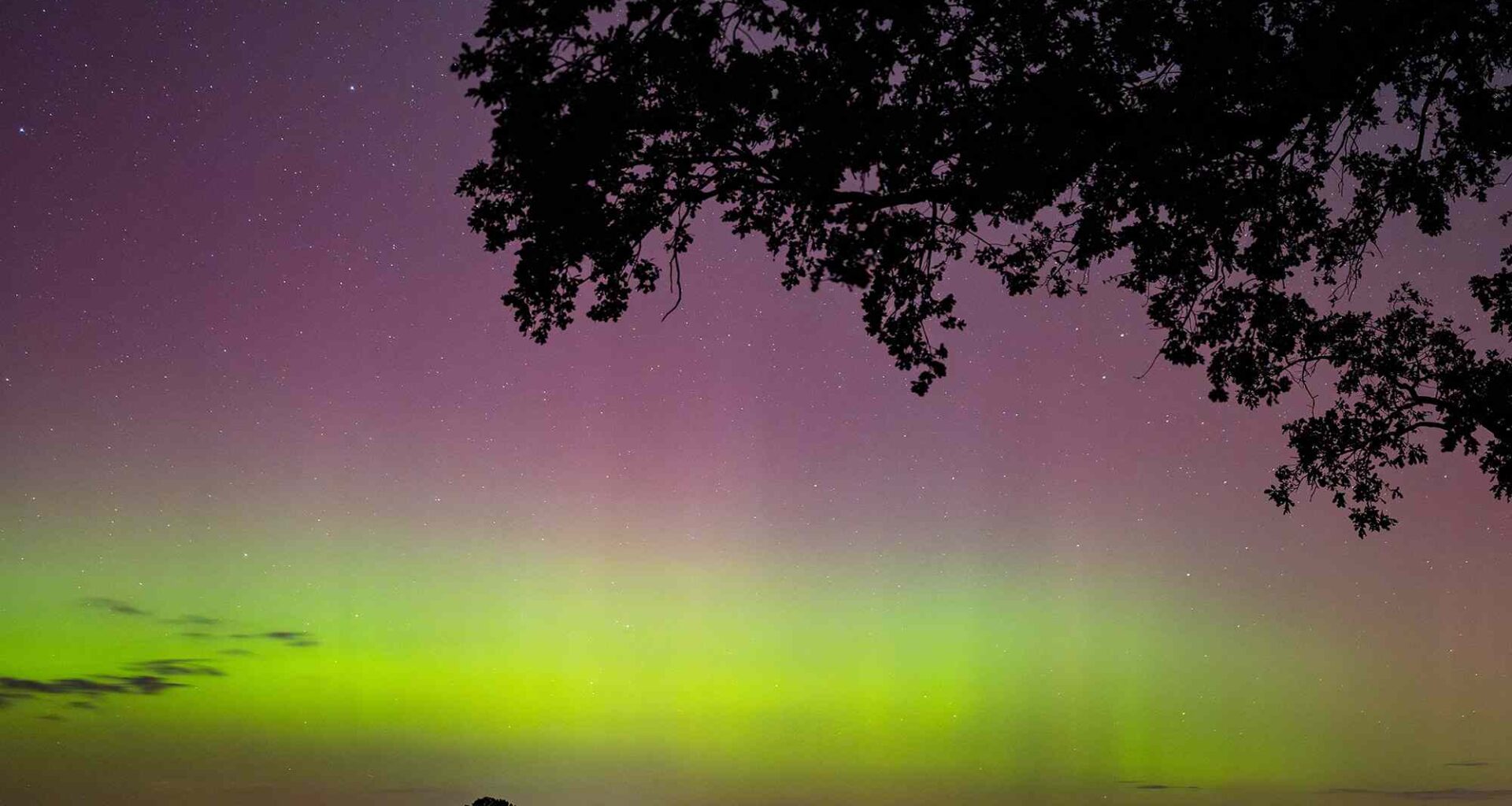
Anyone looking to celebrate Halloween early won’t have to look far to see something fantastical, namely, the northern lights.
According to NOAA, the northern lights will be visible in certain parts of the northern United States, from Friday, Oct. 30 to early Saturday, Oct. 31.
The northern lights (aurora borealis) become visible due to geomagnetic storms, which occur when charged particles from the sun collide with gases in the Earth’s atmosphere, creating beautiful waves of light and color in the sky. Being able to see them, however, depends on several factors, including intensity and location.
Forecasters at NOAA’s Space Weather Prediction Center currently point to the possibility of the lights, with NOAA Kp index breakdown of a 5 out of 9, which is classified as G-1 for certain parts of the United States.
Read on for if the lights are visible near you this Halloween weekend.
When will the northern lights be visible?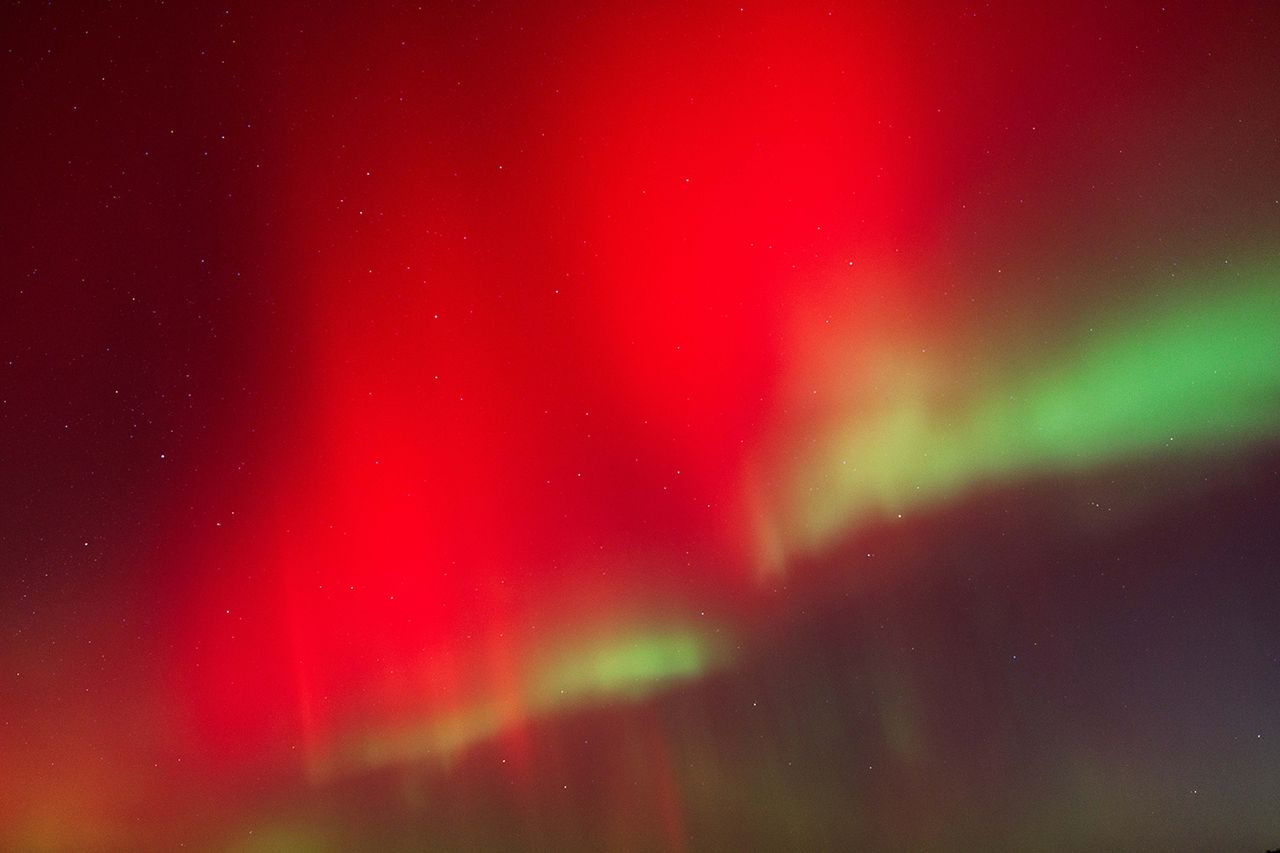
The northern lightsCredit: Jeremy Hogan/Getty
The best window to catch a glimpse of the lights is late Friday, Oct. 30, and continues into the pre-dawn hours of Saturday, Oct. 31.
NOAA anticipates that Earth might expect to see the effects of high-speed solar winds from a coronal hole, which is a region of the Sun that is cooler, less dense and appears darker. The result of this coronal hole is minor geomagnetic storms early on Saturday morning.
This means that the lights might be visible even further south.
Where will the northern lights be visible?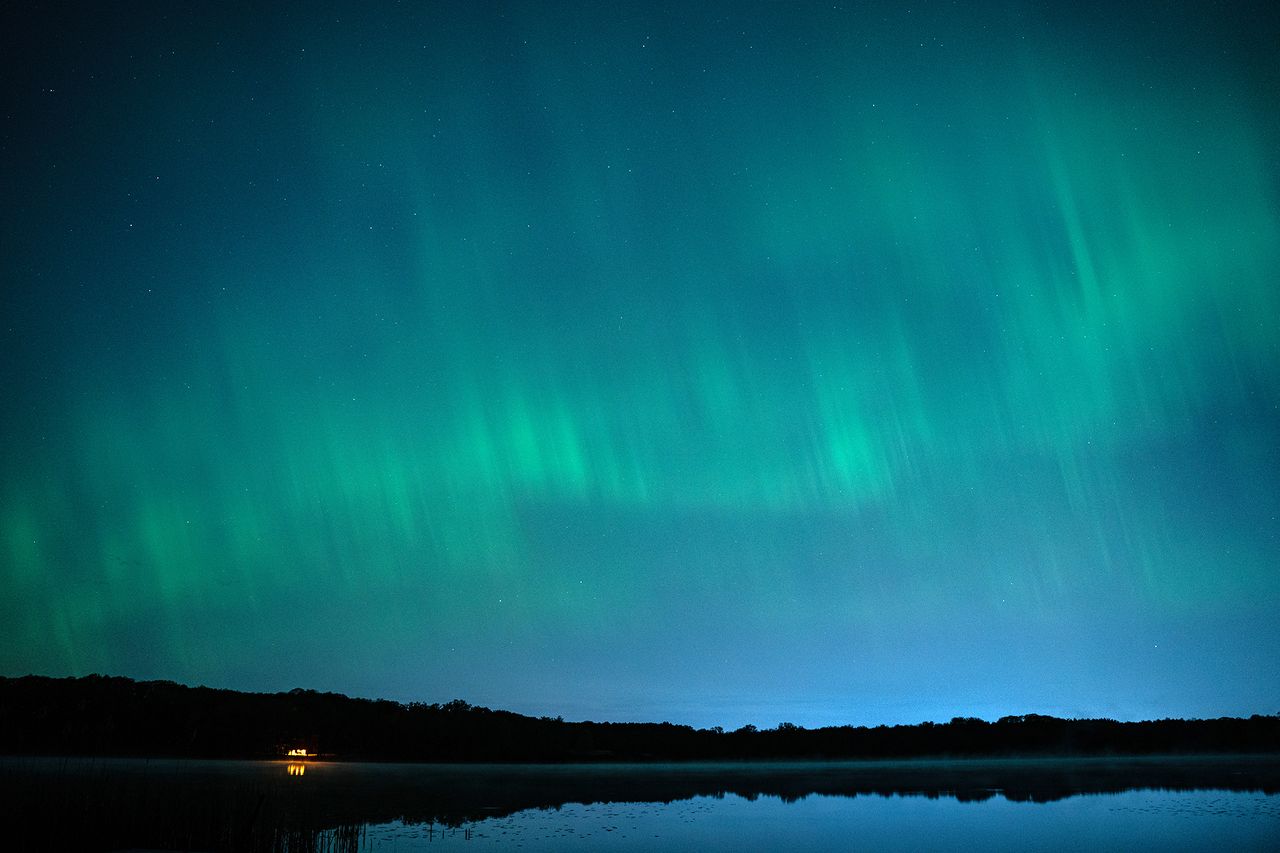
The northern lightsCredit: Lokman Vural Elibol/Anadolu via Getty
There are a few states that have a “low” likelihood of visibility on Friday, Oct. 30, namely states along the U.S./Canada border, according to NOAA’s forecast map.
The states included are northeastern Washington, northern Idaho, most of Montana, North Dakota and the northern part of South Dakota. The northern lights will also be visible in parts of Minnesota, Wisconsin and Michigan’s Upper Peninsula.
For residents of Alaska, they are in the “high” visibility region. Be sure to continue to check NOAA’s live aurora map before leaving, as the outlook can change quickly.
How to watch the northern lights?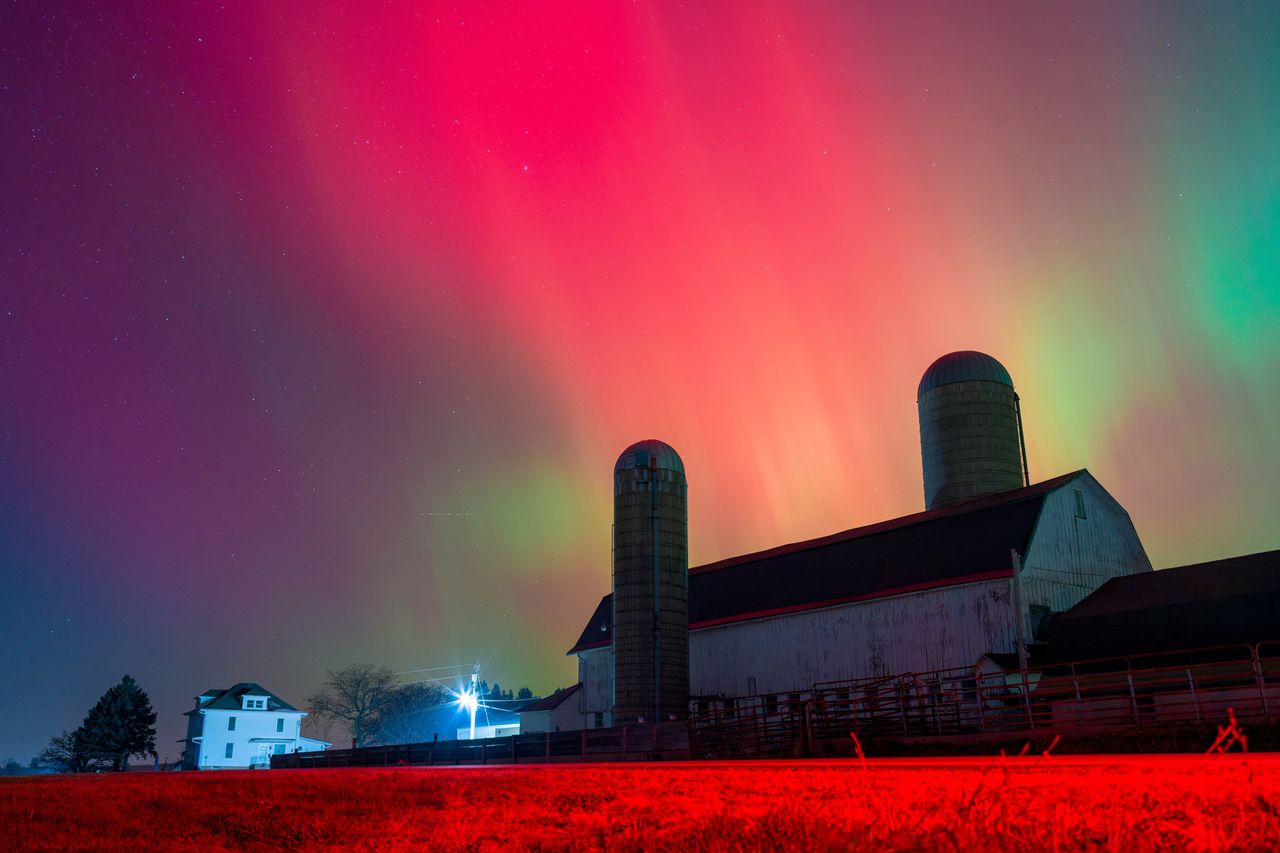
The northern lights in WisconsinCredit: Ross Harried/NurPhoto via Getty
The best way to watch the northern lights is to get away from cities and the light pollution that follows. NOAA recommends getting closer to the Earth’s magnetic north pole, located in northern Canada.
To have a better view of the lights, someone who positions themselves on a hill or clearing, away from the city with a decent clearing and viewing of the sky. The lights are usually most active before and after midnight, so the best time for viewing is between 10 p.m. and 2 a.m.
Be sure to check the real-time conditions using NOAA’s 30-minute aurora forecast and space-weather apps that track solar wind and magnetic field changes.
How to photograph the northern lights?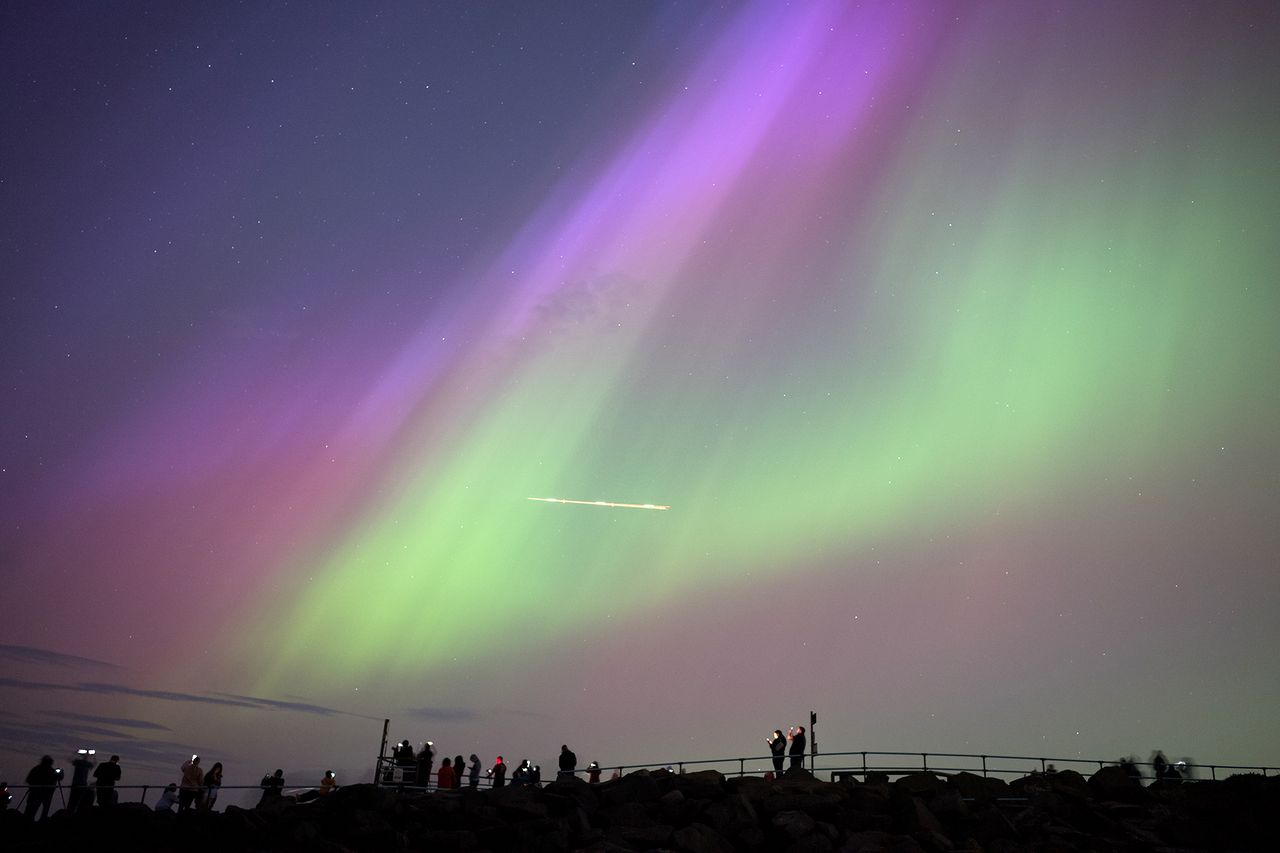
The northern lightsCredit: Ian Forsyth/Getty
You don’t always need a professional camera to take pictures of the northern lights. If you’re using a smartphone, make sure it’s set up in night mode or long exposure mode.
Keep your phone still to get the possible chance of taking a picture of the lights. Go to your device’s settings and tap the “Night Mode” option or “Pro Mode,” which offers similar exposure times and will enhance your chance to capture the lights.
Read the original article on People