
Google’s space milestone fuels Elon Musk’s orbital computing prediction
Google has achieved a space milestone after receiving first-ever AI-generated response in the form of poetry from orbit.
At the heart of Google’s achievement lies its Project Suncatcher launched in October. Under the project, the company aims at exploring the feasibility of building space-based AI data centers as powered by constellations of solar-powered satellites.
The project also investigates whether machine learning compute infrastructure be scaled in orbit to bypass the growing energy and physical constraints experiencing data centers on Earth.
The onboard Gemma open model was sent a prompt during a ground-station pass to write a haiku about being in space. In response, the satellite downlinked the generated haiku through Svalbard, Norway. And the response was:
Blue marble below
Data streams in silent grace
Starlight feeds my core.
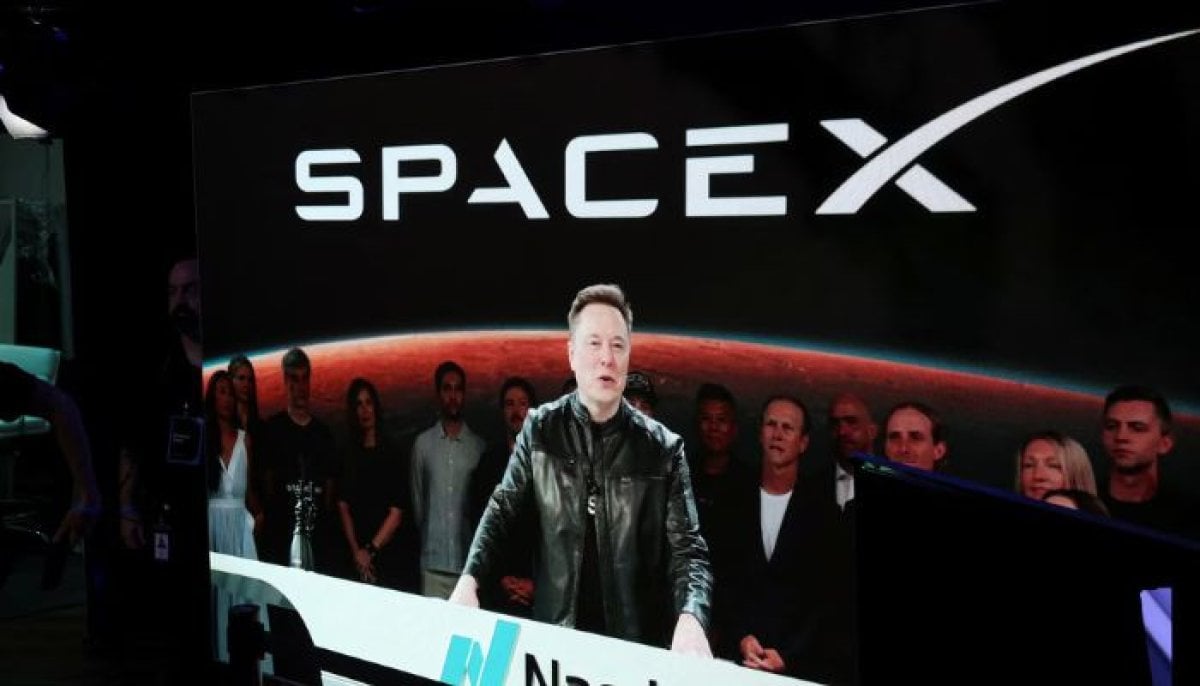
Soon after Google’s space breakthrough, Elon Musk, the CEO of SpaceX, made a prediction related to orbital computing.
Musk forecasts that monthly orbital compute deployments will exceed terrestrial ones by late 2028, driven by SpaceX’s Starship scaling to hundreds of flights yearly.
The CEO wrote on X, “Terrestrial compute will be peanuts compared to orbital compute.”
“Orbital compute deployed per month probably exceeds terrestrial around the end of 2028 and then far exceeds it in 2029.”
Musk’s forecast came in response to Sequoia investor Shaun Maguire’s model projected SpaceX revenue exploding to $731 billion by 2028, with space infrastructure like orbital data centers fueling 85% of it through constant solar power and vacuum cooling advantages.
SpaceX is actively pursuing space-based AI computing through the Starmind initiative which is part of SpaceX’ broader orbital computing efforts.
Unlike Earth-based data centres, which face growing land, energy, and water cooling constraints, SpaceX aims to leverage orbit to tap into continuous solar power and radiate excess heat directly into space. Recent tests, including Google’s TPU satellite running AI tasks in orbit, bolster the case, though skeptics note challenges in launch rates and hardware reliability.