
Credit: Tidal / Spotify
November 1st, 2026 · 2:00am GMT
35 years later, it’s easy to think about the emergence of grunge rock as if it were some sort of premeditated invasion, carefully organised by a unified, flannel-wearing militia out of Seattle.
When you actually listen to those bands free of context, though, with no media hype and no music videos, the connections between them become exceedingly less obvious. Dave Grohl, as a relative latecomer to the Seattle scene, could attest to this from his own personal experience. When he moved across the country from Washington (DC) to Washington (the state) to drum for Nirvana in 1991, he wasn’t particularly well-versed in the major players of the Pacific Northwest.
As such, when he heard a new local band called Pearl Jam on the radio for the first time, he didn’t immediately recognise that it was the latest project of dudes who’d already earned their stripes in bands like Green River, Mother Love Bone, and Temple of the Dog.
Instead, when Grohl heard the big riffs of ‘Alive’ and the growl of Eddie Vedder, “I pictured Mountain or some serious ’70s throwback,” he recalled to Spin. “The music just seemed like classic rock to me, so I pictured the singer being some husky, fuckin’ bearded, leather-jacketed Tad type, big and fat and tortured and scary.”
Obviously, that misconception didn’t last long, as Pearl Jam were soon all over MTV, with the music video for ‘Alive’ revealing not a grizzled ‘70s band, but a fresh-faced crew of hiply-attired, long-haired Bohemian youths, led by the flanneled surfer boy Vedder, flanked in the video by a shirtless bassman, Jeff Ament, in a big puffy baker boy hat, and a pair of stylish guitar players: Stone Gossard, in a T-shirt and velvet vest, and Mike McCready, cosplaying as Stevie Ray Vaughan in a leather jacket and “plateau” style cowboy hat. None of these guys looked or played like the punk kids from the DC scene, or the punk kids from the Seattle scene, for that matter.
 Credit: Far Out / Gene Ambo – MediaPunch via Alamy
“For a long period of time, me and Jeff [Ament] would have loved to be in Get Your Wings-era Aerosmith, or [to play with] Iggy Pop or David Bowie,” Gossard told Spin back in 2001, confirming the classic rock influence that Grohl had heard on that first Pearl Jam record.
As the clothing choices would suggest, McCready was more of an SRV disciple, often crediting a specific Stevie Ray concert at the Gorge Amphitheatre with reigniting his desire to play guitar in the late 1980s, eventually leading him back to his childhood friend Gossard.
The fact that Pearl Jam were able to become something more than the sum of their influences, in fact, is largely a credit to Gossard and McCready’s unique understanding of one another. They were like-minded enough to have a similar goal in the kind of songs they wanted to write, but different enough in their instincts not to step on each other’s toes as players.
“Trying to produce an art project with five people can be difficult, to say the least,” Gossard told Billboard in 1998, “especially when you’re all tripping about whatever you’re tripping about when you’re in your late 20s… Now, though, everyone is able to ‘get theirs’ without worrying too much.”
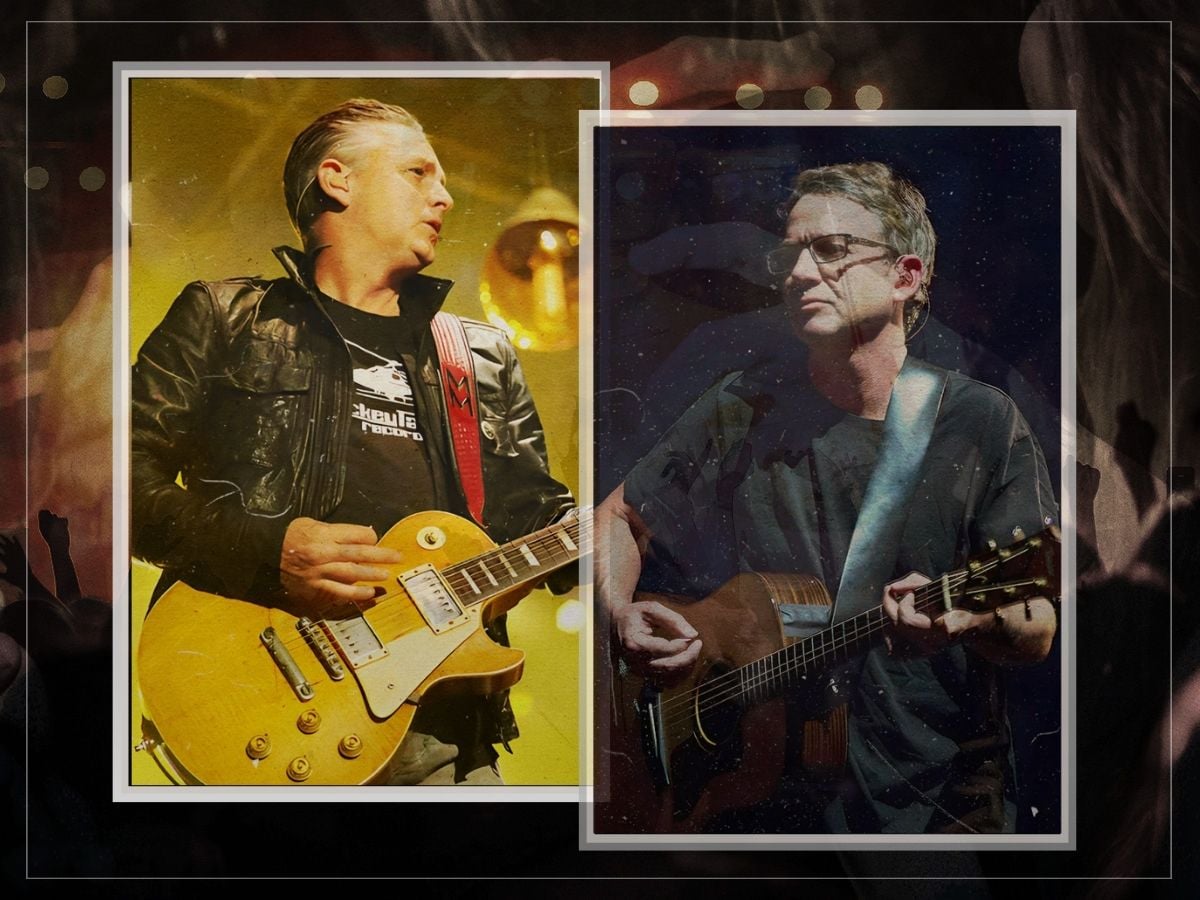
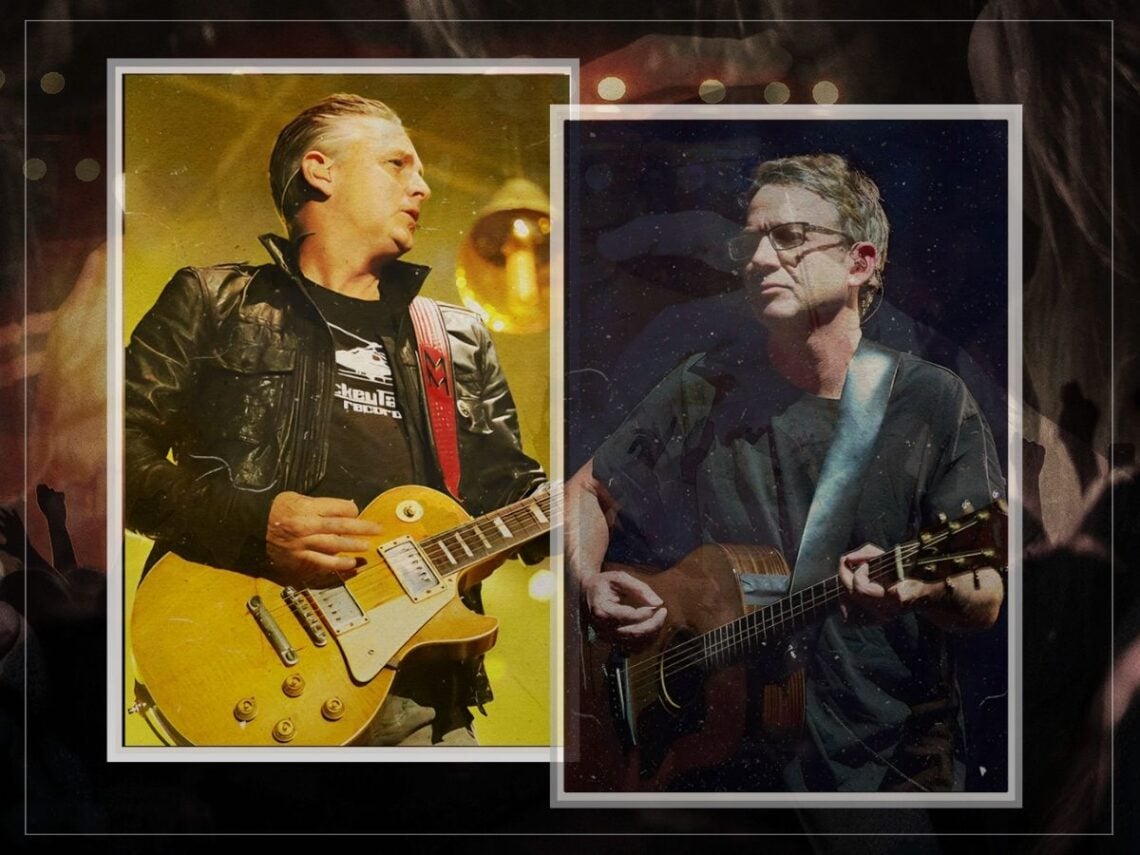
With their sense of balance and democracy well established across three and a half decades, it wouldn’t seem too crazy to suggest that McCready and Gossard could probably swap roles at this point. That’s an exact hypothetical, in fact, that Rick Beato brought up when he had McCready on his YouTube show in 2025. Despite standing across the stage from Gossard for over 1,000 Pearl Jam gigs, though, McCready didn’t think a one-night job swap would work.
“No, no, no,” McCready said, noting that even if he had some time to learn the parts, it wouldn’t come off right. “I wouldn’t have the same groove that he has. I don’t know if he would have the tenacity of my leads”, admitting he wasn’t even sure he could play Gossard’s iconic opening riff from ‘Alive’.
“It never made sense to learn it, because I had my own part,” he said, concluding, “I think we play complementary of each other, and that’s why it works.”
