
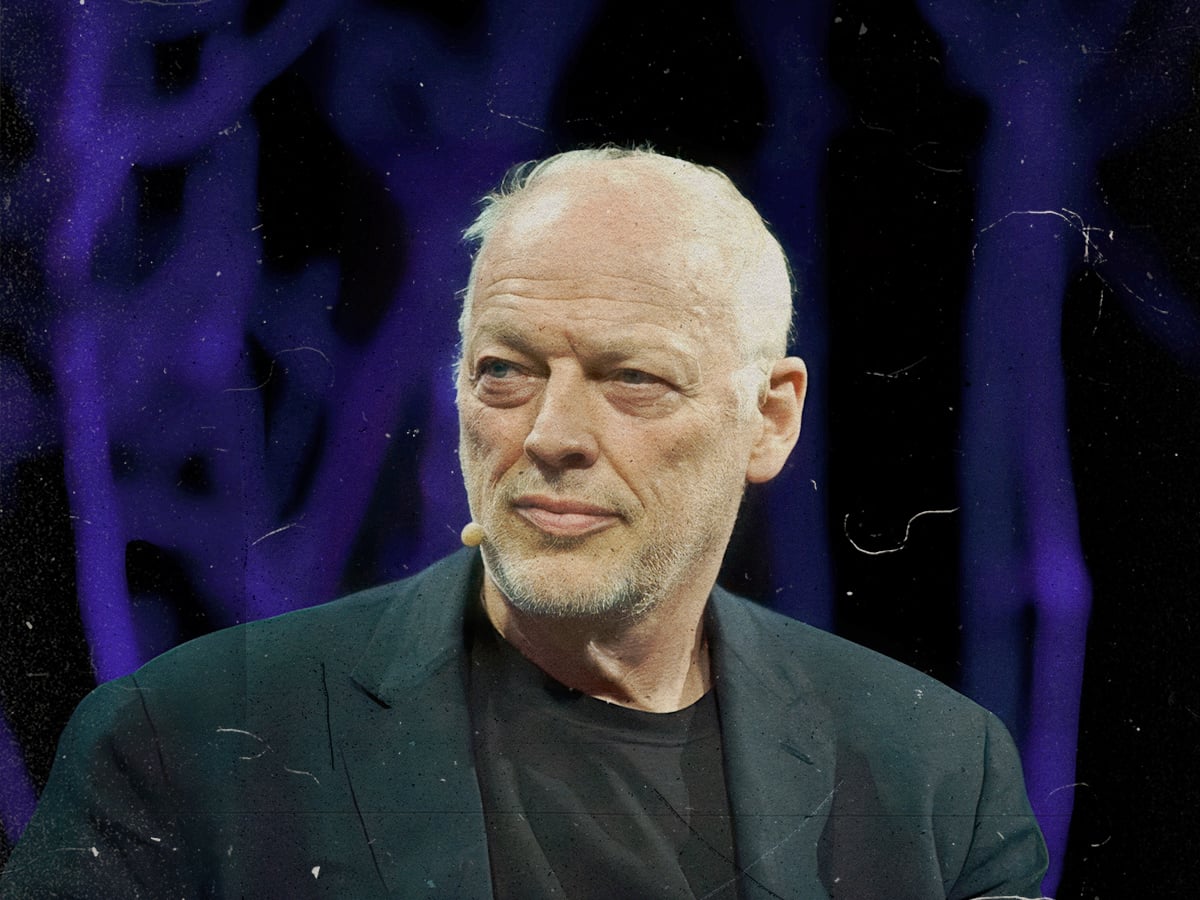
Credit: Far Out / Alamy
November 1st, 2026 · 1:01pm GMT
The collaborative process within Pink Floyd was never straightforward. Despite producing results on The Wall and Dark Side of the Moon, which inserted their name into the history books, it took immense sacrifice to achieve greatness. By the end of their tenure, the friction had become unsustainable, and it became clear something had to give.
The end of an era is usually signposted for those involved. Unlike the old fable that a father never knows the last time he will pick up his child, it became clear the Pink Floyd were nearing the end of their fabled run in each other’s bountiful arms. The musical marriage, particularly between Waters and Gilmour, was ending in the 1980s, and The Final Cut most expertly titled their slashing divorce.
After Pink Floyd released The Wall and subsequently toured the record around the globe, it would have been a perfect moment to bow out gracefully. The band had achieved almost everything they had set out to do. Delivering life-changing records and the kind of powerhouse performances that lit up the world, if only for a few hours. However, only in hindsight can we see in 20/20 vision.
Pink Floyd weren’t prepared to quit while they still felt they were at the peak of their powers. The in-fighting had grown almost unbearable, but their output was still of the highest quality, so who wouldn’t be tempted into one next step toward oblivion? For all they knew then, their next album could have eclipsed the quality of The Wall.
When they began work in 1982 on The Final Cut, which was released the following year, the relationship between the band quickly spiralled out of control. Roger Waters took the reins from a creative standpoint, much to the frustration of David Gilmour, and it was clear they could no longer collaborate like they once did. The band had often allowed members of the group to enact their artistic vision. It’s a practice that most functioning groups perform. But Waters had begun to dismiss the advice of his collaborator and was now out on his own.
“That wasn’t much fun because all I had was what’s his name sitting in the back playing Donkey Kong and telling me what a load of crap it was”
Roger Waters
They both had conflicting ideas for the record, and ultimately, Gilmour was forced to take a backseat while Waters essentially made a solo album. While this technique had previously served the band well on prior releases, their luck had run dry, and Gilmour wasn’t prepared to put him through a similar ordeal again. The backseat had been comfy on occasion, but things had changed, and Gilmour’s patience had worn too thin.
During an interview with Record Collector in 2003, Gilmour explained: “I knew what had happened to my band at that point, and I was just trying to get through it. It wasn’t pleasant at all. If it was that unpleasant but the results had been worth it, then I might think about it in a different way. I wouldn’t actually.”
Gilmour then revealed The Final Cut only contains three tracks he likes, continuing: “I don’t the results are an awful lot I mean (there are) a couple of reasonable tracks, at best. I did vote for ‘The Fletcher Memorial Home’ to be on Echoes. I like that. ‘Fletcher’, ‘The Gunner Dream’ and the title track are the three reasonable tracks on that. The rest of The Final Cut is dross.”
When a band member only likes three songs from an album, it speaks volumes about dissatisfaction within the Pink Floyd camp during the making of The Final Cut. The record has since gone on to be considered below their high watermark of releases, but that didn’t seem to bother its chief creator.
While Waters, who steered the ship on the album, was pleased with the final result, he was also discontent during the recording process. However, he squarely points the blame at Gilmour for making it an unenjoyable experience.
During a Q&A on his YouTube page, Waters stated: “The last one I made was The Final Cut, which was in 1982, 40 years ago. That wasn’t much fun because all I had was what’s his name sitting in the back playing Donkey Kong and telling me what a load of crap it was. And so it was hard. Though it was great to work with James Guthrie and Michael Kamen.”
At one stage, their hearts once danced to the sound of the same beat. However, when they reached The Final Cut, those days were firmly over, and the duo were no longer compatible.
ADD AS A PREFERRED SOURCE ON GOOGLE  The Far Out Classic Rock Newsletter
All the latest Classic Rock content from the independent voice of culture.
Straight to your inbox.