
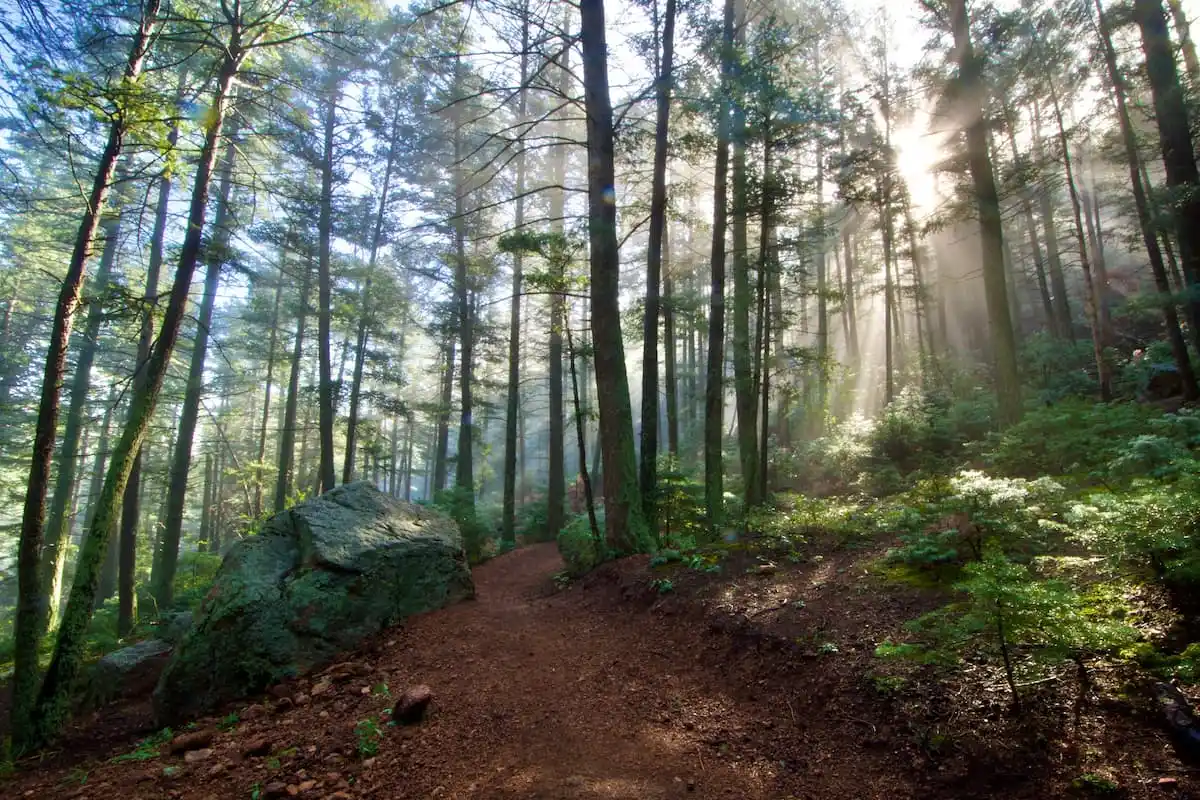
Melani Tutt’s eyes view the world in intricacy, seeking out the play of light like the lens of a camera, as she captures the gradations of a fern’s wispiness or the variable depth of a fog bank rolling out.
“I can be driving home and stuck under the Tejon Street underpass in late afternoon and because of the way the light hits, see the texture and symmetry in a cracked wall with rusty pipes,” she said.
Recommended Stories
▶
Her visual superpower has become her life’s pursuit as a professional photographer and pictorial author.
Tutt’s new book, “Sanctuary: North Cheyenne Cañon,” strives to show all who enjoy Colorado Springs landscapes an unseen vantage point of one of the most familiar.
“Intimate portraits of the simple beauty that surrounds us daily,” is how Tutt describes her elegant, high-quality hardback.
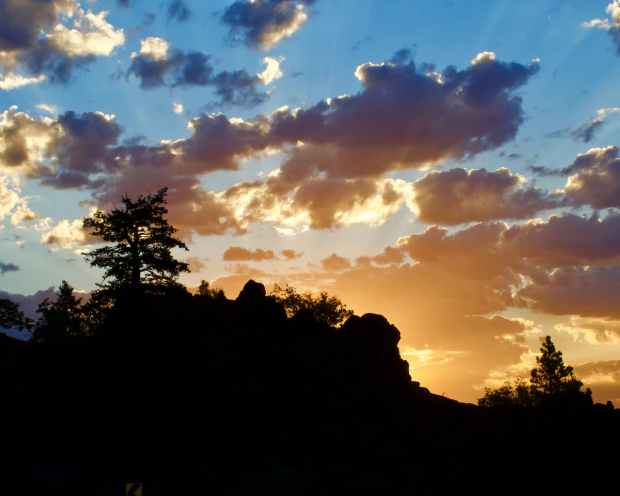 From wide vistas to intricate details, Melani Tutt seeks to preserve the stunning sights of North Cheyenne Cañon in southeast Colorado Springs. (Courtesy of Melani Tutt)
The purpose of the limited-edition book is twofold, Tutt said.
She hopes her photographic art unearths vivid memories for all who have walked, run, biked, driven, picnicked and soaked in the peace of the specific section of nature.
Perhaps by spending time lost in the book’s depictions, people can relive their past enjoyment of the canyon from afar, maybe sitting on a couch.
For 30 years, Tutt has been a frequent canyon hiker and bicyclist, finding refuge in the solitude and splendor of the park in southwest Colorado Springs.
Before the unsettling days of the COVID-19 pandemic, Tutt began photographing the four seasons across the popular area, which has attracted locals and visitors since Colorado Springs citizens purchased the core 640 acres in 1885.
A few decades later, in 1907, Colorado Springs founder William Jackson Palmer donated nearly 500 acres, and over the years the park grew from other smaller donations.
A graduate of the Brooks Institute of Photography in California, Tutt felt called to immortalize the canyon from a 21st-century perspective, in all its vast glory and hidden delights.
“I think our parks are struggling with overuse, there’s graffiti, the threat of wildfire,” Tutt said.
Her process for this most recent era of her career comes directly from an interplay with the canyon — finding a comfortable sitting spot to meditate, then intuitively lifting the camera to snap a specific moment of lucidity.
Tutt does what’s needed to catch the best shot, scrambling up and down hillsides to locate the distant melody of trickling water, or leaning against cold granite on a winter day to inhale the crisp air and be present when unexpected signs of life appear.
“I’ll go out in the worst of the weather, when it’s snowy, rainy, foggy and frozen. Most people don’t see the canyon in bad weather; I think it’s beautiful. I like to find something people might miss normally.”
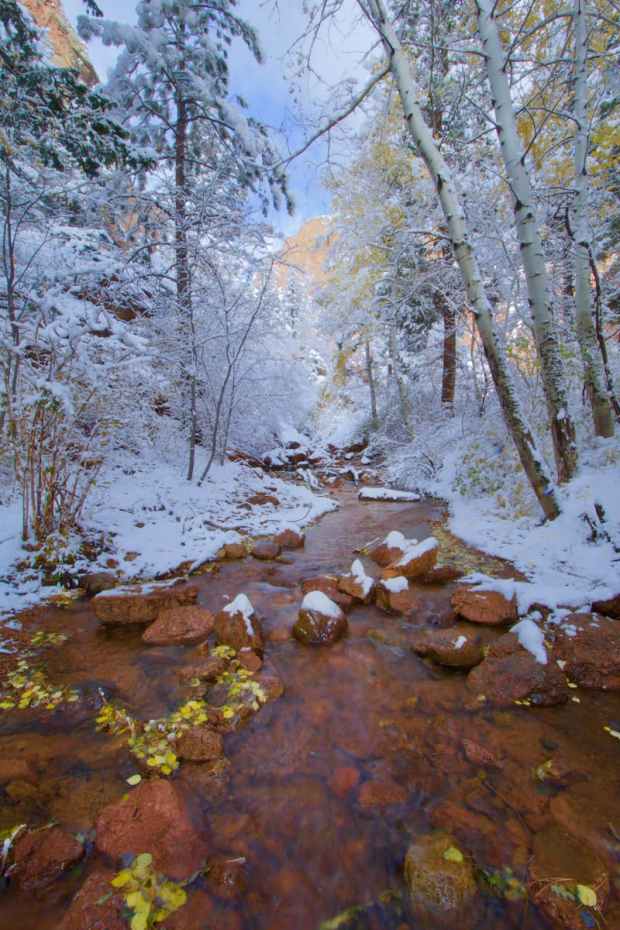 Melani Tutt goes out in all kinds of weather to capture familiar and hidden beauty in North Cheyenne Cañon, as portrayed in her new book, “Sanctuary: North Cheyenne Cañon.” (Courtesy of Melani Tutt)
“Sanctuary: North Cheyenne Cañon” is the first pictorial documentation of the site and follows Tutt’s exploration of another local landmark in her first book, “The Sacredness of Everything.”
That book, published in 2019, began as a quest to provide photos for rooms at the Garden of the Gods Resort and Wellness Center.
The images evolved into the fine art book that’s also presented in a coffee table format, as is her newest book.
Tutt has done commercial photography for more than 35 years and more recently has focused on nonprofits in the community, from Early Connections Learning Centers and Habitat for Humanity to the Tactile Gallery at the Colorado Springs Fine Arts Center at Colorado College, among others.
Like early Colorado Springs resident and author Helen Hunt Jackson — for whom the canyon’s Helen Hunt Falls is named — Tutt finds that North Cheyenne Cañon’s diverse flora and fauna, breathtaking views and cascading waterfalls speak to the heart and soul.
Both women discovered a “reverent connection with nature,” as Hunt wrote, and Tutt safeguards through her work.
Which highlights the second goal of “Sanctuary: North Cheyenne Cañon” — supported by the book’s historical introduction from the curator of history for the Colorado Springs Pioneers Museum, Leah Davis Witherow: to showcase what the canyon looks like in its current state.
“So that 100 years from now, it’s a record of what the canyon is today, as a visual historical document,” Tutt said.
To reveal new views of a beloved place, to give a physical way to recollect and enjoy again and again, and to provide a concrete record at this turning point in preservation.
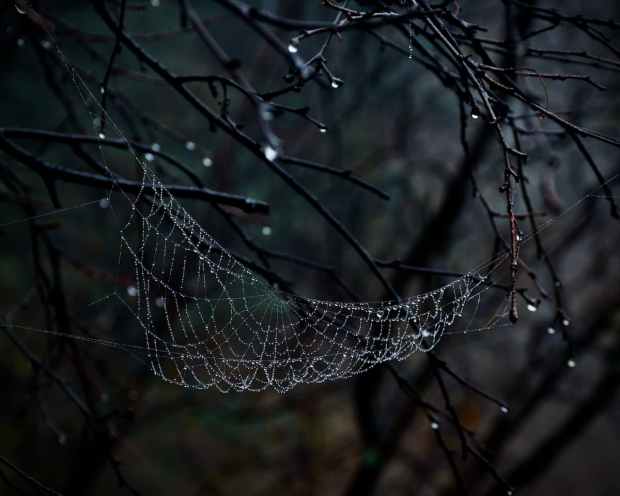 Photographic artist Melani Tutt shoots in black-and-white and color. (Courtesy of Melani Tutt)
One of Tutt’s photos from North Cheyenne Cañon, titled, “First Light on Daniel’s Pass Trail,” is part of an exhibit currently on display at the Colorado Springs Pioneers Museum. The collection of work by various artists is called “50% of the Story: Women Expressing Creativity.”
A book signing will be held 1-4 p.m. on Nov. 14 at Broadmoor Galleries, 1 Lake Ave., which represents Tutt as a featured gallery artist.
For more information, go to https://broadmoorgalleries.com/.
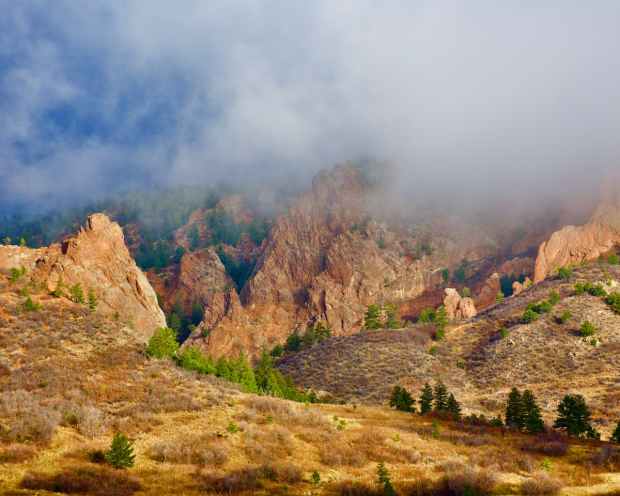 The cover of “Sanctuary: North Cheyenne Cañon” shows fog kissing the rocky terrain. (Courtesy of Melani Tutt)
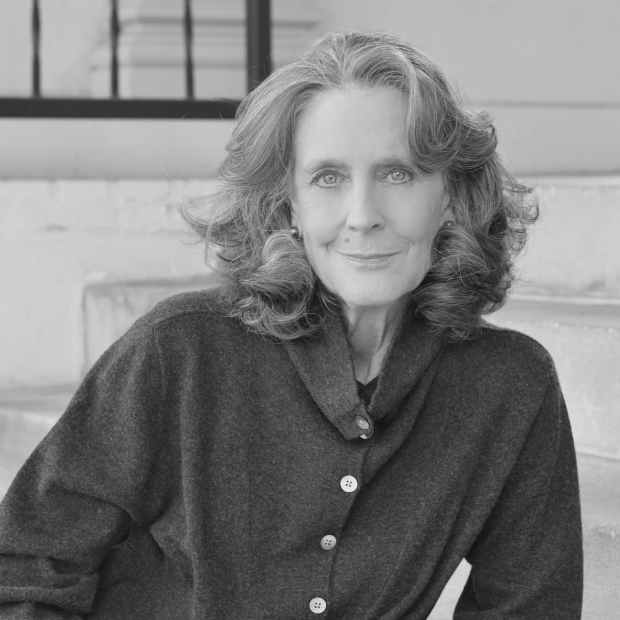 Photographic artist Melani Tutt. (Courtesy of Melani Tutt)
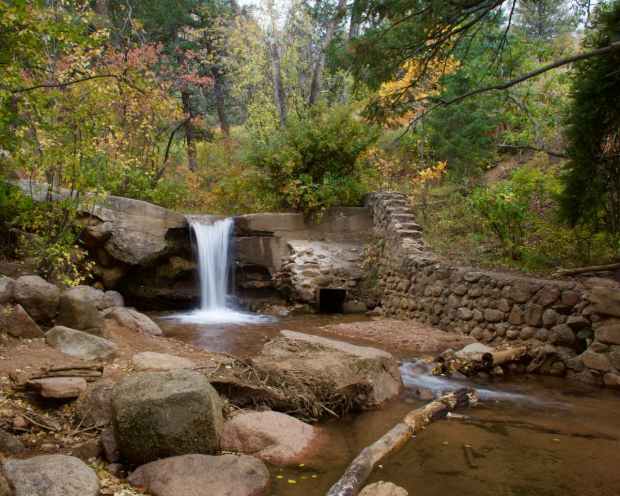 Melani Tutt’s newest book showcases all four seasons in North Cheyenne Cañon. (Courtesy of Melani Tutt)