
TULSA, Okla. –
The Tulsa Performing Arts Center will close June 1, 2028, for a major renovation expected to last approximately two years, leaving Tulsa’s resident performing arts organizations to find new places to perform.
A temporary theater was originally proposed to give those organizations a dedicated performance space during construction. But the Tulsa Performing Arts Center Trust announced November 6 that it would no longer pursue the temporary facility, citing rising costs, technical challenges and concerns about splitting philanthropic support between the temporary venue and the permanent renovation.
Instead, TPAC says it plans to work with its 12 resident arts companies to move performances into regional venues and community spaces during construction.
Tulsa Ballet Artistic Director Marcello Angelini says that approach could present significant challenges for productions designed specifically for the PAC stage. He also worries the loss of performances downtown could affect businesses that depend on crowds attending shows.
Temporary theater plan abandoned
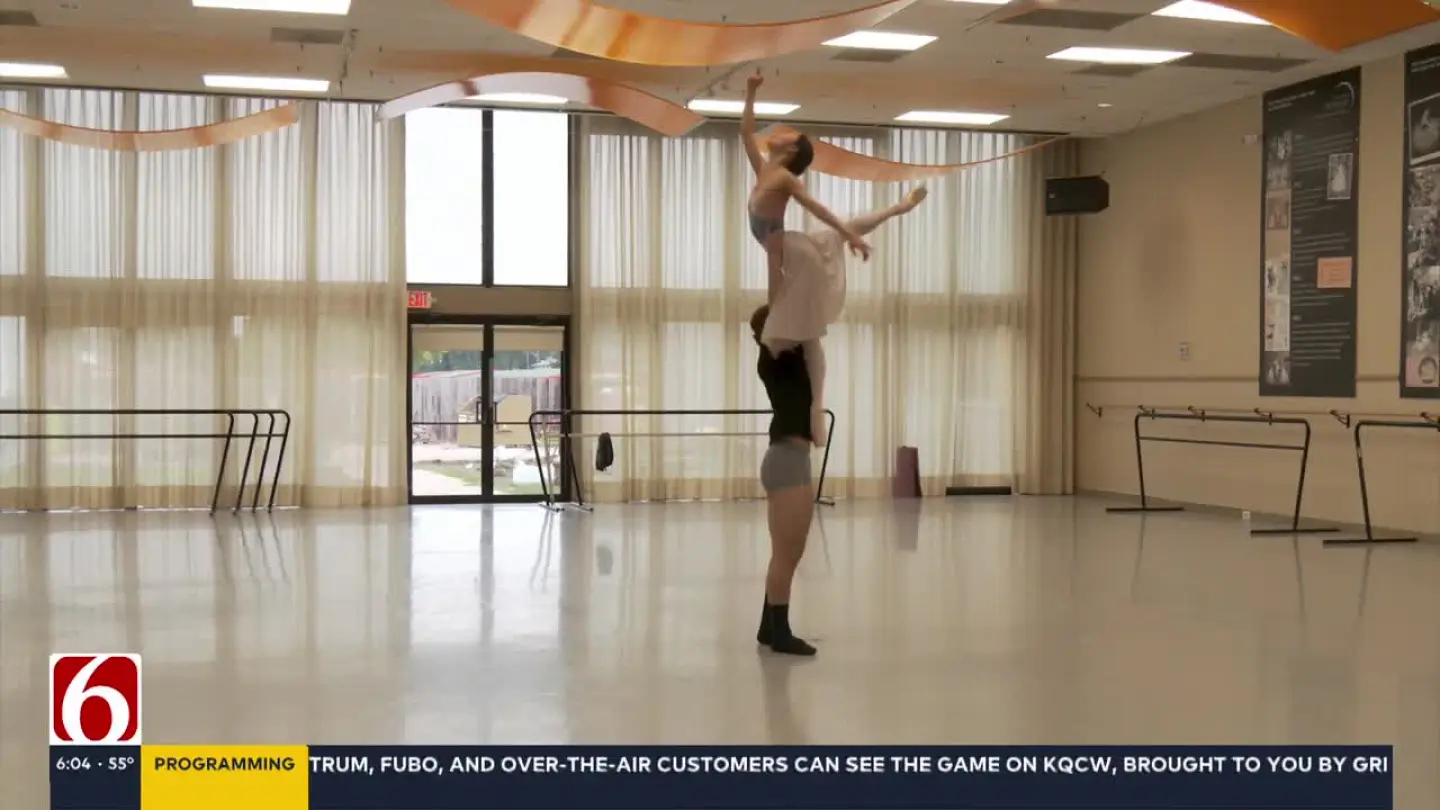
Tulsa Ballet has been preparing for a busy performance schedule, including its March performances of “Romeo and Juliet,” the annual “The Nutcracker” and a Route 66 centennial celebration.
The company has also continued building its international reputation. Angelini said Tulsa Ballet performed in London five months ago as a guest of the Royal Ballet, selling out every performance.
He worries that momentum could be interrupted if the company cannot find a suitable performance space during the PAC renovation.
The original plan called for an 1,800-seat modular temporary theater downtown. TPAC said it spent two years evaluating the proposal and pursuing independent private funding.
However, the organization said engineering assessments revealed increasing site preparation costs, technical complications and market-driven price increases. TPAC ultimately determined that raising the additional money for a temporary facility was not practical.
The trust also said it wanted to keep philanthropic efforts focused on the permanent $135 million renovation and expansion.
Existing venues may not meet ballet’s needs
Angelini said Tulsa Ballet performs five programs at the PAC each year, including “The Nutcracker,” which he says draws approximately 15,000 to 16,000 people.
The company’s productions are designed around the PAC’s stage and its 77 flying lines, which allow scenery and other production elements to move above the stage.
Angelini said other established performance venues in the Tulsa area fall short of those technical capabilities.
Moving productions to a smaller space could mean losing scenic elements or rebuilding shows to fit the venue. He said adapting productions for a different space could cost as much as $1 million.
“I think it’s going to slow down momentum, not only for us, but for everybody,” Angelini said.
TPAC CEO Mark Frie said the organization expects performances to move into the community during construction, including neighborhood parks, local schools, university concert halls and regional stages.
The trust says additional details about specific performance schedules and partner venues will be shared with resident arts organizations in the coming months.
PAC renovation remains on schedule
Angelini said he supports the PAC renovation and recognizes the facility needs major improvements. However, he believes organizations need workable performance alternatives before the current building closes.
According to TPAC, the facility will close completely on June 1, 2028, following its 50th anniversary season. The trust is targeting a reopening in fall 2030.
The remodeling project carries a $135 million price tag. It includes $79.7 million in voter-approved Improve Our Tulsa 3 renovation funding and a $55 million private fundraising campaign for expansion. TPAC said nearly $38 million had been pledged toward that private campaign as of November 6.
Frie said the organization remains committed to supporting its resident companies and working with downtown businesses while the building is closed.
Angelini said Tulsa Ballet is still exploring possible solutions and hopes the conversation surrounding alternative performance space isn’t over.
Tulsa Ballet hopes to keep performing
Angelini said the company intends to continue performing and connecting with audiences, even as it works through the uncertainty surrounding the PAC closure.
He said finding a performance venue is important, but the broader economic consequences for downtown Tulsa should also be part of the conversation.
“We are going to be around. We will find a way to keep entertaining them and enriching their lives,” Angelini said.