
Credit: Far Out / Alamy
November 9th, 2026 · 8:00am GMT
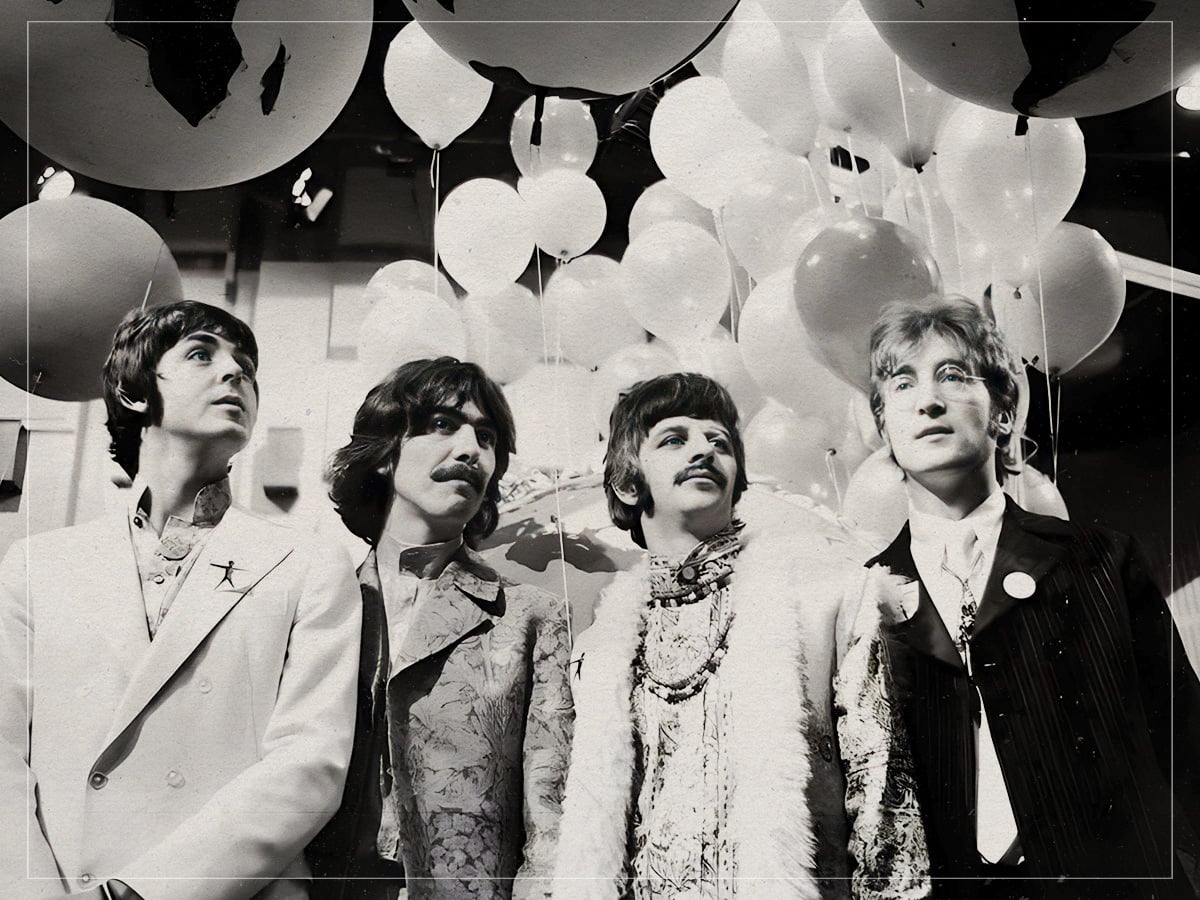
If it wasn’t for The Beach Boys, the world would never have had The Beatles’ masterpiece Sgt Pepper’s Lonely Hearts Club Band.
Despite making experimental waves with Revolver, the band couldn’t help but feel left behind by The Beach Boys, who, in 1966, delivered what might be the greatest album of all time in Pet Sounds. The Beatles practically wept when hearing it, for they realised that there was some way to go in terms of innovating rock and roll, but no time to waste in terms of achieving it.
So an even starker change was required, with the band wholly abandoning their popstar image from before and embracing psychedelia. Despite what may have been subtle anxiety, thanks to the brilliance of Brian Wilson and The Beach Boys, the band still knew they were onto something special with Sgt Pepper.
A defined yet unique narrative concept was woven into a rock record that did what no rock record had ever really done before, and on the eve of its release, the band realised they were on the precipice of true greatness. But how would their peers react?
Knowing how they felt about Pet Sounds, they jittered at the thought of their own record inciting a similar response and awaited the ripples of influence to fall around them. Of course, as one of the most celebrated albums of all time, we know that did in fact happen with countless of their peers adoring the record.
A generation of psychedelic pop and rock was built on the back of the album in the following decade, with everyone from Pink Floyd to The Who using this limitless album formula to push the conventions of music. It was a sonic shift that, in the case of the latter, proved wildly informative, for in ’67, The Who themselves could have been considered at something of a crossroads: enjoying the wild success of their vital introduction, but wanting something more expansive for their future.
So it was no surprise that the band’s creative leader Pete Townshend felt acutely inspired by the record, from the very moment it was released. “The Beatles are trying to see how deep they can get into their music without losing public interest,” he said. “It’s obviously going to disappoint a lot of people, but to me it’s pretty fantastic. The idea of running all the tracks together and making a show out of it is something we’ve wanted to do, and I hope a lot of groups will follow the example.”
 Credit: Far Out / Alamy
Of course, he wasn’t alone. Everyone willing to park their egos and accept greatness around them could see it was a brilliant album, as Eric Burdon was willing to call the album a “joy”, and even Ray Davies, who, despite his very animated slandering of their preceding album Revolver, conducted a U-turn and conceded that in Sgt Pepper, there was indisputable brilliance:
“I’ve only heard two tracks on the radio, so I can’t speak for the album,” he tentatively began, “‘When I’m 64’ is a very good laugh and a great production. ‘Good Morning, Good Morning’ is also very good, though I think I may have missed a lot of the farmyard noises on it. These are only first impressions, but when I reviewed Revolver for disc one, found that even after six months my impressions hadn’t changed.”
You would think that Davies’ change of heart would have inspired cynics all over. But as is the way with stark innovation, not everybody got on board. The rapid development of the world’s most beloved band triggered growing pains amongst fans and artists alike. But when it came to the latter, you would have expected it to be a certain generation of musicians to criticise, the sorts who had been proven to do so throughout The Beatles’ soundtracking of cultural revolution. Say, a certain Frank Sinatra.
Nevertheless, some of the names who crop up as critics were the ones people expected to love the record, for they were the artists who stood shoulder to shoulder with The Beatles as they fiercely pushed the world into a new future. A generation of contemporary ’60s musicians who should have got what it meant to change, evolve and leave the traditions in the past.
The likes of Jeff Beck, who said, “I haven’t heard the record and have no intention of doing so. It’s not my type of music at all, so I’m not interested”, or Tom Jones, who said he “wasn’t interested in buying it” and that while he had heard “a couple tracks on the radio”, he wouldn’t have thought it was them. But Tom, isn’t that the whole point?
It would have partly been envy, for sure, as reckoning with the realisation that Sgt Pepper was a near unrepeatable album feat would have been tough for any aspiring musician. But what Beck and Jones’ admissions proved was that it broke new ground as a record, and that’s ultimately what made it so great. It wasn’t a collection of singles to be heard on the radio or in passing; it needed to be listened to in one sitting, entirely, and once you did that, then the genius was indisputable.
If anything, the initial scepticism can just be viewed as an endorsement of its genius. The very nature of breaking ground comes with criticism at first, and it often takes history to later intervene and disprove the wild theories of disgruntled adversaries. The same adversaries who years later soften with the realisation that some things just can’t be disputed.
We should be thanking them, because if The Beatles were to continue releasing music that the world instantly loved, then they wouldn’t have gone on to become the iconic band they were.
ADD AS A PREFERRED SOURCE ON GOOGLE  The Far Out Beatles Newsletter
All the latest stories about The Beatles from the independent voice of culture.
Straight to your inbox.