
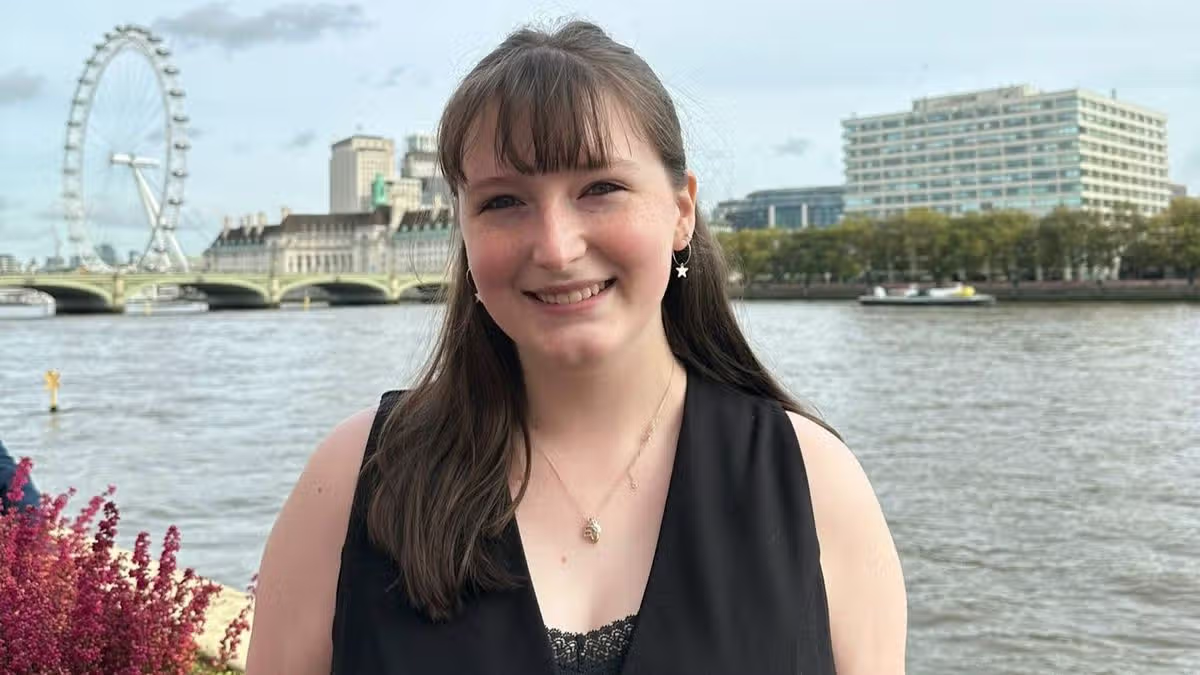
Eva had low mood and “didn’t want to get out of bed” but her GP put it down to it being a “normal experience all teenagers go through”.
Eva has shared her mental health battle.
A Glasgow student felt “ashamed” when she opened up about her mental health struggles with a GP only to be told that “it was just a change in hormones” and a “normal experience”.
Eva, 19, says her concerns were dismissed when she visited her doctor at 14 years old. At the time, she had been experiencing low mood and had no energy. “I didn’t want to get out of bed in the morning,” she said.
She continued: “I felt quite numb, even when good things were happening, I’d feel nothing. The doctor asked my mum to leave the room for a few minutes and took that time to confirm that I wasn’t feeling suicidal. She then brought my mum back into the room and said this was just a change in hormones and a normal experience that all teenagers go through.
“I felt really ashamed. I’d built myself up to coming to this appointment. I’d prepared all this stuff to tell her about what had been happening and how I’d been managing. And then she’d said it was normal.
“I think she’d said it to try and relax me and my mum. It wasn’t intentionally dismissive. She was trying to say you’ll come out the other side of this. But I felt awful because she’d talked it down.
“My mum really stuck up for me and we managed to get a referral to a local talking therapy service. Having an adult, my mum, listen to me made a huge difference.”
Eva shared her story after a recent survey found that 26 per cent of young people said that an adult they know well would dismiss their concerns either as ‘just part of growing up’ or by explaining ‘how much better’ things are for young people today.
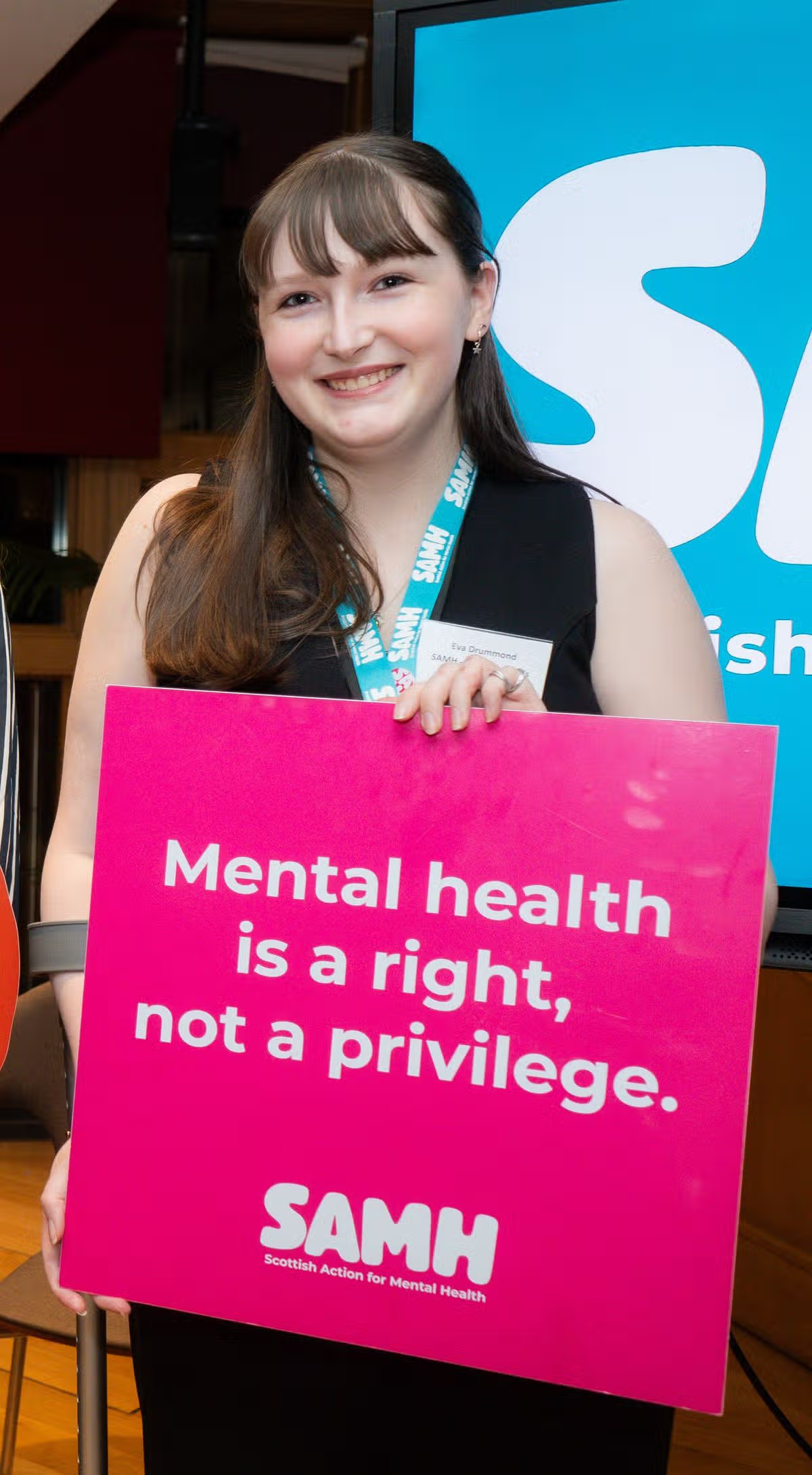
Eva shared her story as part of a new campaign.
However, 88 per cent of over 25-year-olds said they would make time ‘there and then’ to support a young person they know well who wanted to talk about their mental health.
This new research is part of Show Up, an anti-stigma and discrimination campaign from SAMH (Scottish Action for Mental Health) that is urging adults to reflect on how they respond to young people who open up about their mental health.
The survey also found that almost three-quarters of adults (72%) think that young people are too quick to label life’s challenges as mental health problems.
Being non-judgemental is at the heart of the Show Up campaign, which aims to build bridges between generations rather than place blame. The campaign’s creative elements ask adults to reflect on the differences between their childhood and the realities of growing up today, drawing contrasts between life for young people now and in the past.
Billy Watson, Chief Executive of SAMH, said: “We know that adults are often doing their best and don’t mean to be dismissive, but we hope we can encourage people to reflect on their attitudes and positively change their behaviour towards young people’s mental health.
Get more Glasgow Live exclusives by signing up for free to Google’s preferred sources
“The pace of life is more relentless now than when previous generations were growing up. Because so much of today’s childhood involves constant exposure to news and information, our young people are more exposed to events beyond their control, face more comparisons, and have less opportunity to mentally rest and recover.”
He added: “The young people we spoke to for the Show Up campaign didn’t believe that these stigmatising attitudes stemmed from bad intentions. They felt they often came from well-meaning adults who were accidentally dismissive, and didn’t understand the pressures being put on young people growing up today.
“We might not be able to understand what young people are going through when their challenges look different to the ones we remember at their age. But we can all listen, be compassionate, and make a commitment to Show Up for young people’s mental health.”