
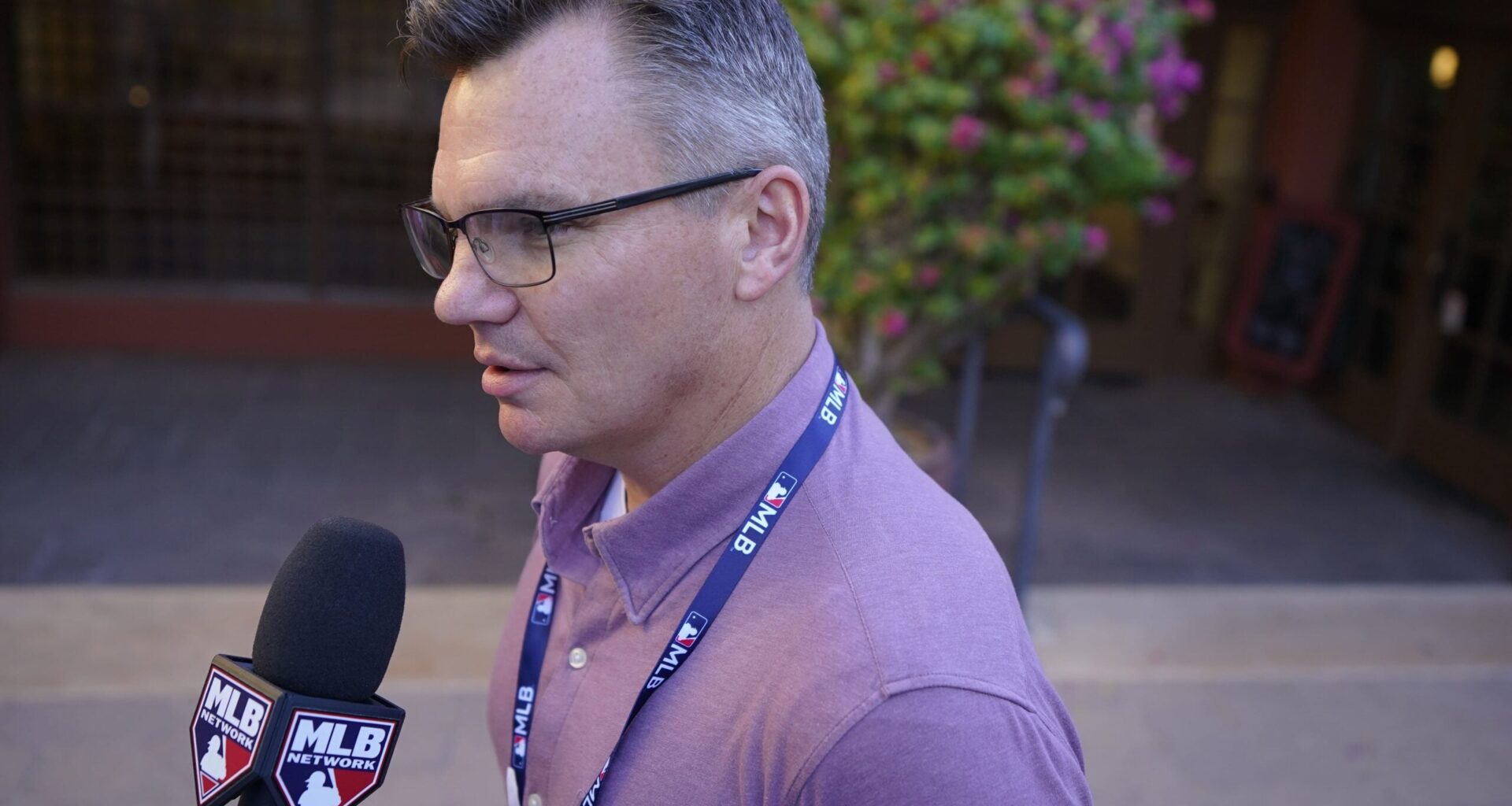
 Pittsburgh Pirates general manager Ben Cherington speaks during the Major League Baseball’s general manager meetings, Wednesday, Nov. 8, 2023, in Scottsdale, Ariz. (AP Photo/Matt York)
The 2026 MLB GM meetings are underway in Las Vegas. Typically, these meetings spark offseason buzz and rumors but don’t produce much action. Instead, the groundwork for future deals is typically laid this week.
But this year is different. Teams and players are up against a ticking clock as a lockout is expected to take place once the collective bargaining agreement expires on Dec. 1. The uncertainty surrounding this offseason could spark more aggressiveness and earlier action.
The Pirates have quite a few items on their checklist. Ben Cherington said at the end of the regular season that he will be ready to strike if something comes to fruition before the lockout.
Here are five offseason questions for Cherington and the Pirates.
Can They Re-Sign Lowe?
The $60 million question? The $80 million question? Whatever the dollar amount is, it’s by far the biggest question for the Pirates this winter.
It’s been over a decade since Pittsburgh had a player of Lowe’s caliber reach free agency. Lowe was sensational on both sides of the ball in his first year with the Pirates. He sparked a drastic offensive turnaround by leading the team in home runs and RBI and could win his first Silver Slugger next week. He also turned himself into a strong defensive second baseman.
The Pirates will face stiff competition to try and retain the 32-year-old. Lowe is one of the top free agents available this year and there are a lot of teams in the league have a need at second base. There has been a wide range of contract predictions for what it might take to sign Lowe. But if the Pirates want him back, they’ll have to shatter their franchise free agent contract record (three years, $39 million).
If Not Lowe, Who?
The logical option would be to slide Nick Gonzales back to second base if Lowe signs elsewhere. Gonzales was one of seven MLB players this season to bat .300 but struggled defensively in his first season at third base.
But the free agent third base market is not particularly strong. Japanese star Teruaki Sato tops the list, followed by options such as Alec Bohm and J.P Crawford. The Pirates went to the trade market to land Lowe last offseason and it might make more sense to go that route again should Lowe depart. Top trade options include the Astros’ Isaac Paredes and the Athletics’ Zack Gelof.
If the Pirates did explore a second baseman, there are some solid options available in free agency. Jazz Chisholm Jr., Luis Arraez and Gleyber Torres are among the fallback options.
What About the Rest of the Roster?
While most of the attention will be on Lowe and second/third base, the Pirates do have several other needs on their roster.
Topping the list is a left-handed relief pitcher. Mason Montgomery, Evan Sisk, Brandon Eisert and Hunter Barco are the only left-handers on the 40-man. Montgomery, who is the team’s closer, is the only option that can be fully trusted. Gregory Soto is a free agent. Maybe the Pirates will think about re-signing him. If not, there are plenty of other options available.
After that, the Pirates should be looking for a right-handed bat to help solve some of their problems against left-handed pitching. A leverage reliever and starting pitching depth are among their other needs.
How Much Can They Spend?
With talks of a potential salary cap and floor in the next CBA, the Pirates have been a hot topic this offseason. Owner Bob Nutting has developed a reputation as an owner who doesn’t spend, and it’s impossible to disagree with anyone who has that opinion of him.
The Pirates were more aggressive spending money last offseason than they usually are. They signed their first multi-year free agent (Ryan O’Hearn, two years, $29 million) in almost a decade. They added Lowe’s salary via trade and signed Soto and Marcell Ozuna (whoops).
But the Pirates enter this offseason with a payroll that’s already projected to be $100 million. That’s not far off from their Opening Day payroll this year, which was a franchise record. Pittsburgh is closer to the playoffs than they have been any year in the last decade. Will Nutting open up his wallet to make a legit push?
Will They Trade Keller? Can They?
One way the Pirates can create financial flexibility is by trading Mitch Keller. The veteran right-hander is owed $18.4 million next year and $20.4 million in 2027.
The Pirates flirted with trading him last offseason. In retrospect, they probably should have. Keller not only had his worst season since in five years but ended the year on the IL with a right arm teres major muscle injury. Teams will understandably be reluctant to take on Keller and his contract given what happened this season.
If the Pirates did want to trade Keller, they shouldn’t expect much in return other than salary relief. Some other options for facilitating a deal include adding a prospect or other assets or eating some of the money owed to him.
Mentioned in this article:Pittsburgh Pirates
More about:Pirates