
Local community health centers are celebrating the defeat last week of Proposition 44, a state ballot measure that sought to deeply restrict non-medical spending and could have cost them tens of millions of dollars.
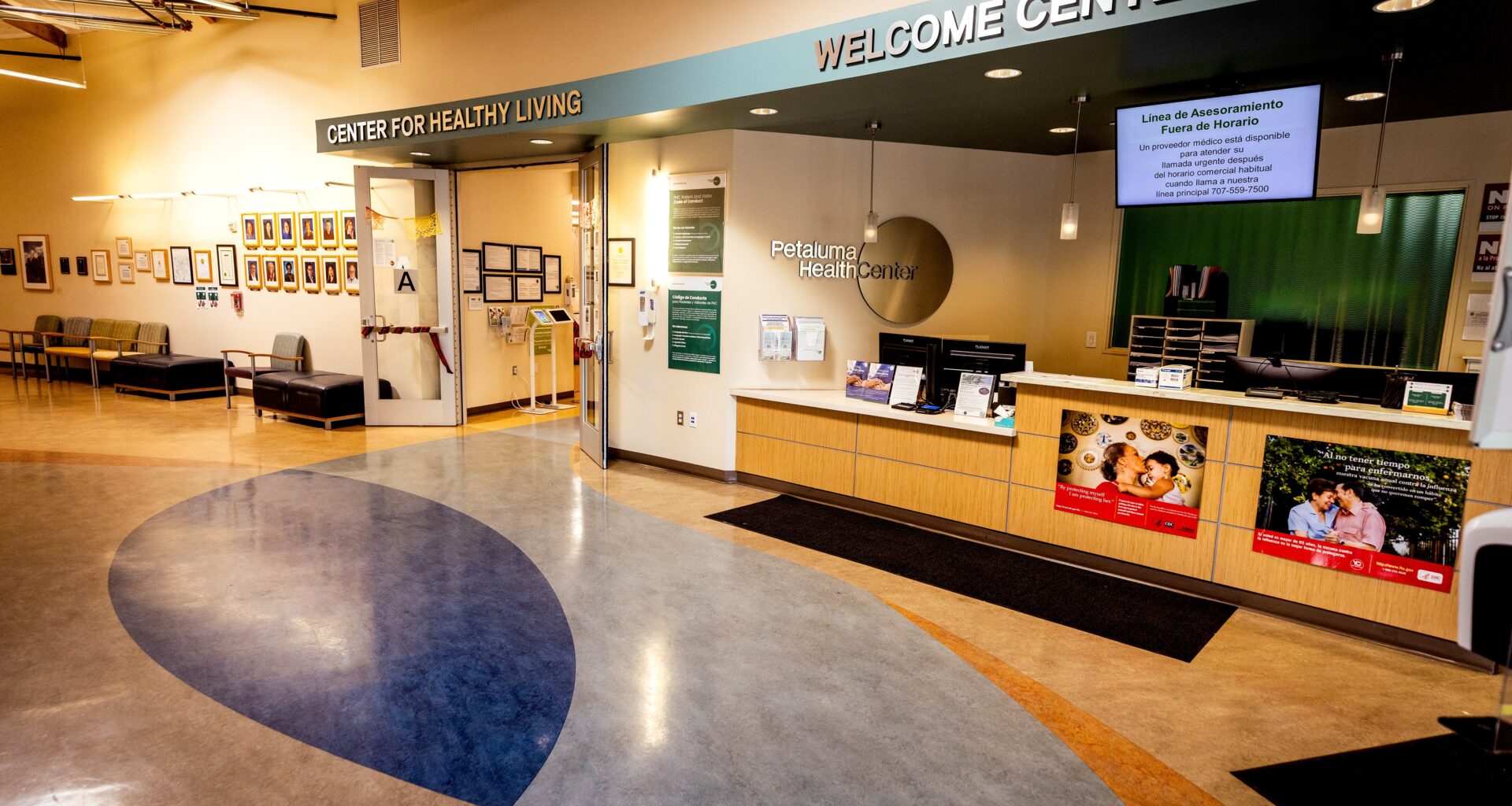
At Petaluma Health Center alone, the ballot proposal would have meant a loss of $7 million and likely the loss of crucial services that aren’t strictly medical, said CEO Pedro Toledo. Proposition 44 was soundly defeated with more than 82% voting no, according to the latest statewide election results.
But having dodged a bullet, local health centers say they’re now facing a time bomb that’s set to explode next year, the result of changes in federal Medicaid eligibility and state budget cuts to medical services for undocumented immigrants.
“Ultimately, we’re going to get paid pennies on the dollar for serving the immigrant population,” Toledo said.
Toledo said each clinic will be impacted differently, depending on their federal Medicaid reimbursement rates and share of immigrants they serve. Beginning July 1 of 2027, two changes to Medi-Cal, the state’s version of Medicaid, will cost Petaluma Health Center nearly $8.2 million as a result of lower reimbursements when providing medical services to immigrants, he said.
“The state will pay us only 20% of our usual rate for Medi-Cal patients who are legal permanent residents for their first 5 years, refugees, asylees, DACA, undocumented or have certain immigration statuses,” Toledo said in an email. The federal government categorizes those groups as having “unsatisfactory immigration status,” or UIS.
Petaluma Health Center serves a total of 39,211 Medi-Cal patients. Some 5,490 patients are immigrants who fall in this group. Normally, Petaluma Health Center would get about $358 per visit. Toledo estimates this population accounts for 28,548 visits across all the health center’s sites, for a total of more than $10 million. He said a 20% reimbursement rate means only $2 million.
Due to budget shortfalls, the state also plans to eliminate “full-scope” Medi-Cal dental coverage for adults 19 and older on July 1 next year. About 30% of Petaluma Health Center patients would be impacted and the provider would lose an additional $1.87 million, Toledo said.
In total, the provider could see a loss of $10 million annually, he said.
“Unless we stop seeing immigrant communities, there’s not really a way of limiting our exposure,” he said.
Under President Trump’s One Big Beautiful Bill, Medicaid is implementing two key changes that could result in fewer people enrolling in federal health care coverage. One is the requirement that people re-enroll in the program every six months rather than annually, and the other is a set of federally mandated work requirements. The work requirements primarily apply to non-pregnant adults between 19 and 64 who were part of the Medicaid expansion under the Affordable Care Act.
The bureaucratic red tape involved in those two changes is likely to lead to some people dropping their Medi-Cal coverage or being disenrolled, said Tracy Mendez, CEO of Aliados Health, a nonprofit consortium of 17 health centers in Marin, Napa, Sonoma, Contra Costa, Solano and Yolo counties. The health centers combined provided for nearly 300,000 patients, of which 76% are insured by Medi-Cal.
A 10% drop in Medi-Cal enrollment would mean a loss of $12 million in Sonoma County, Mendez said. She said in Sonoma County, the Affordable Care Act’s expansion of Medicaid brought health insurance to an estimated 23,000 people, currently 30% of the county’s Medi-Cal population.
Mendez said local health centers are working with county eligibility staff to ensure the new eligibility requirements do not result in significant Medi-Cal disenrollment. Counties are likely going to have to increase their staff as workloads are likely to increase significantly, she said.
“Counties are still waiting for guidelines for certain aspects of the work requirements,” she said.
Gabriela Bernal Leroi, CEO of Santa Rosa Community Health, which operates nine clinics, said she hopes California’s new governor, Xavier Becerra, will revisit the state’s Medi-Cal cuts to immigrants.
Bernal Leroi said she’s also hopeful that newly elected U.S. representatives and senators will take steps to reverse cuts to both Medicaid and Affordable Care Act subsidies that threaten the financial stability of the local safety net in Sonoma County and across the country.
You can reach Staff Writer Martin Espinoza at 707-521-5213 or martin.espinoza@pressdemocrat.com.