WWildlife Read More Killer Whales Teach Their Children To Beach Themselves — A Biologist Explains WhyJune 2, 2026 Along remote coastlines, killer whale parents teach their young how to intentionally beach themselves for prey in a…

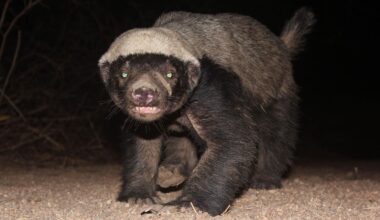
WWildlife Read More Honey Badgers Survive Snake Bites That Kill Humans — A Biologist Explains HowJune 1, 2026 Honey badgers became internet legends for seeming fearless, but the real science behind their cobra resistance is even…
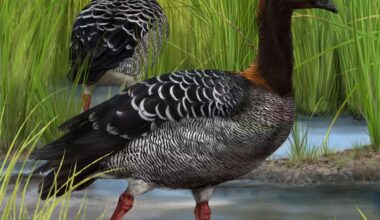
EEnvironment Read More Ancient Goose Fossil Challenges Long-Held Theories About New Zealand BirdsMay 31, 2026 A reconstruction of the St Bathans goose (Metechen luti). Credit: Artwork by Sasha Votyakova, © Te Papa CC…
SScience Read More Scientists identify hundreds of ancient genes associated with human diseasesMay 29, 2026 When a child develops kidney failure or a rare bone disorder, the cause can seem painfully immediate. It…
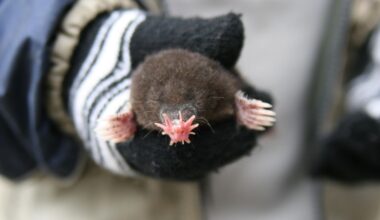
WWildlife Read More Meet The Star-Nosed Mole — The Fastest Hunter On The PlanetMay 21, 2026 Most predators hunt with eyes or speed. This blind, burrowing mole hunts with 25,000 touch receptors — and…
WWildlife Read More Meet The Axolotl — The Salamander That Can Regrow Its Own BrainMay 17, 2026 The axolotl may look cartoonishly harmless, but beneath its frilly gills lies one of evolution’s most astonishing survival…
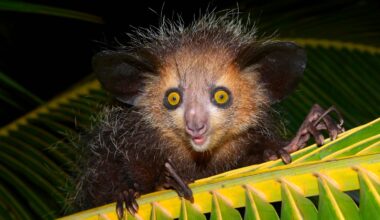
WWildlife Read More It Uses Its Finger Like A Woodpecker’s BeakMay 12, 2026 With rodent teeth, bat-like ears and a woodpecker-inspired hunting strategy, this primate may just be one of evolution’s…
SScience Read More Scientists Just Exposed a 300 Million-Year-Old Fossil MistakeMay 11, 2026 A reconstruction drawing of Pohlsepia mazonensis. Credit: Dr. Thomas Clements, University of Reading The “world’s oldest octopus” was…
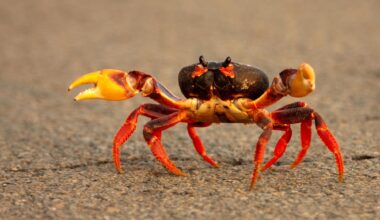
SScience Read More Scientists Just Solved the Mystery of Why Crabs Walk SidewaysMay 9, 2026 Scientists have traced crabs’ iconic sideways walk back to one ancient ancestor that lived around 200 million years…
SScience Read More Why Don’t Humans Hibernate? An Evolutionary Biologist ExplainsMay 9, 2026 You may not know that our ancestors hibernated during the winter months. Why did we evolve out of…
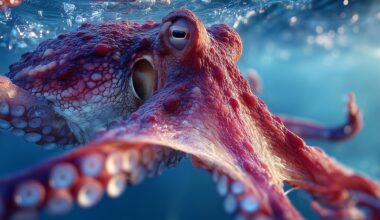
SScience Read More Shockingly Powerful Giant Octopuses Ruled the Seas 100 Million Years AgoMay 6, 2026 Ancient octopuses may have been giant predators that ruled the seas. Fossilized jaws show they had crushing bites…
SScience Read More Scientists Discover Evolution’s 120-Million-Year-Old “Cheat Sheet”May 5, 2026 Different species, separated by millions of years, may still follow the same genetic blueprint, suggesting evolution is less…