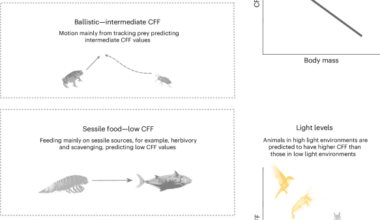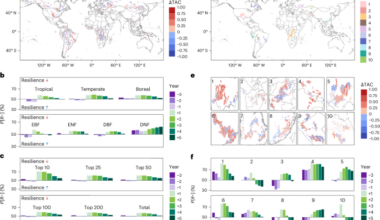
SScience Read More Pace of ecology drives the tempo of visual perception across the animal kingdomFebruary 25, 2026 Laughlin, S. B. The metabolic cost of information—a fundamental factor in visual ecology. In Ecology of Sensing (eds…
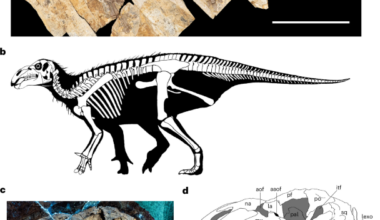
SScience Read More Cellular-level preservation of cutaneous spikes in an Early Cretaceous iguanodontian dinosaurFebruary 6, 2026 Bell, P. R. Standardized terminology and potential taxonomic utility for hadrosaurid skin impressions: a case study for Saurolophus…
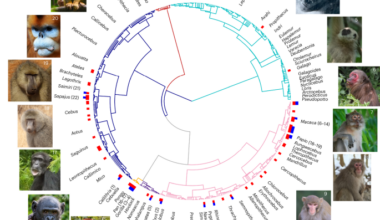
SScience Read More Ecological and social pressures drive same-sex sexual behaviour in non-human primatesJanuary 14, 2026 Lerch, B. A. & Servedio, M. R. Same-sex sexual behaviour and selection for indiscriminate mating. Nat. Ecol. Evol.…
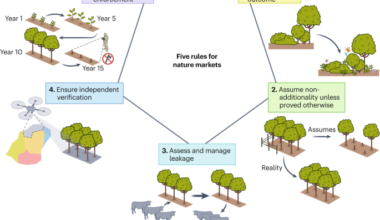
EEnvironment Read More Five rules for scientifically credible nature marketsJanuary 12, 2026 UNEP. State of Finance for Nature 2023 (UNEP, 2023). Kedward, K., zu Ermgassen, S. O. S. E., Ryan-Collins,…
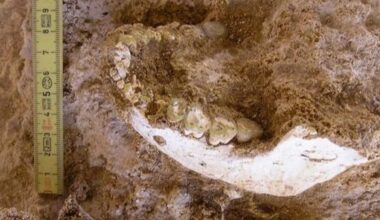
SScience Read More Early Human Ancestor Found in Morocco Dates Back 700,000 Years May Be Major Missing LinkJanuary 10, 2026 credit – JP Raynal released from the Programme Préhistoire de Casablanca Remains of an early human ancestor from…
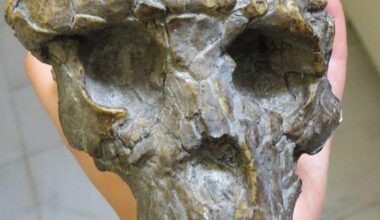
SScience Read More New Study Supports Sahelanthropus as the Earliest HomininJanuary 3, 2026 For all the attention devoted to human evolution, we still don’t know who our direct ancestors were, let…
WWildlife Read More Cave of Wonders: Where Prehistoric Bees Made Nests in the Bones of Animals Eaten by Colossal OwlsDecember 24, 2025 – credit, Lazaro Viñola López via SWNS Burrowing bees generally prefer to make their nests in the open,…
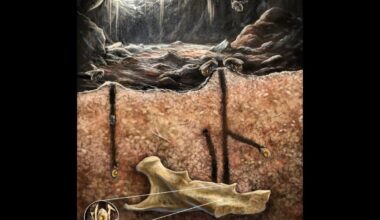
SScience Read More Fossilized Bee Nests Inside Skeletons Are Unlike Anything We’ve Seen BeforeDecember 17, 2025 Scientists studying a Caribbean island cave have unearthed something unexpected: ancient bees very much unlike the hive-dwelling insects…
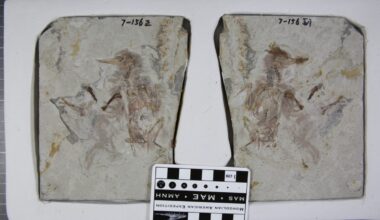
SScience Read More Ancient Bird Swallowed 800 Rocks and Choked to Death, Scientists SayDecember 6, 2025 Around 120 million years ago, a bird swallowed over 800 tiny stones and choked to death as a…
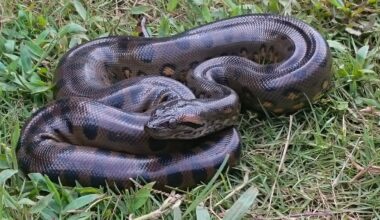
WWildlife Read More Anacondas Are the Rare Prehistoric Giants That Never Shrank, Ssssstudy RevealsDecember 2, 2025 During the Middle to Upper Miocene period (12.4 to 5.3 million years ago), giant animals walked—and slithered—the Earth…
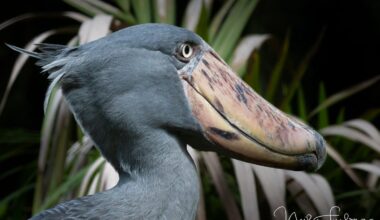
WWildlife Read More Video shows towering dinosaur-like shoebill bird. What’s happening?November 15, 2025 Shoebill birds can reach a height of five feet, but the prehistoric-looking creatures generally aren’t taller than people.…
WWildlife Read More Evidence of Rhino Living in Frigid Arctic Circle 23 Million Years Ago Discovered in New FossilNovember 3, 2025 Marisa Gilbert (left) and Dr. Danielle Fraser with fossil of Arctic rhino Epiaceratherium itjilik – Canadian Museum of…