
The NHS has issued guidance to millions of people in the UK who are taking certain medications
Charlotte Smith Senior Lifestyle Content Editor
09:34, 16 Dec 2025Updated 10:58, 16 Dec 2025
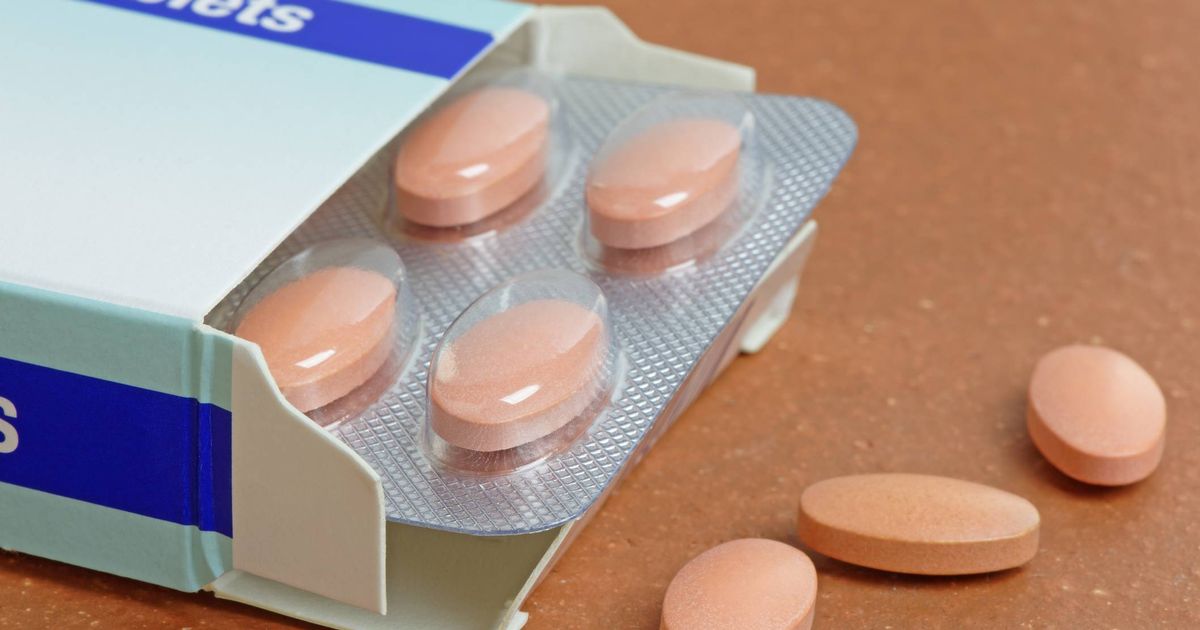
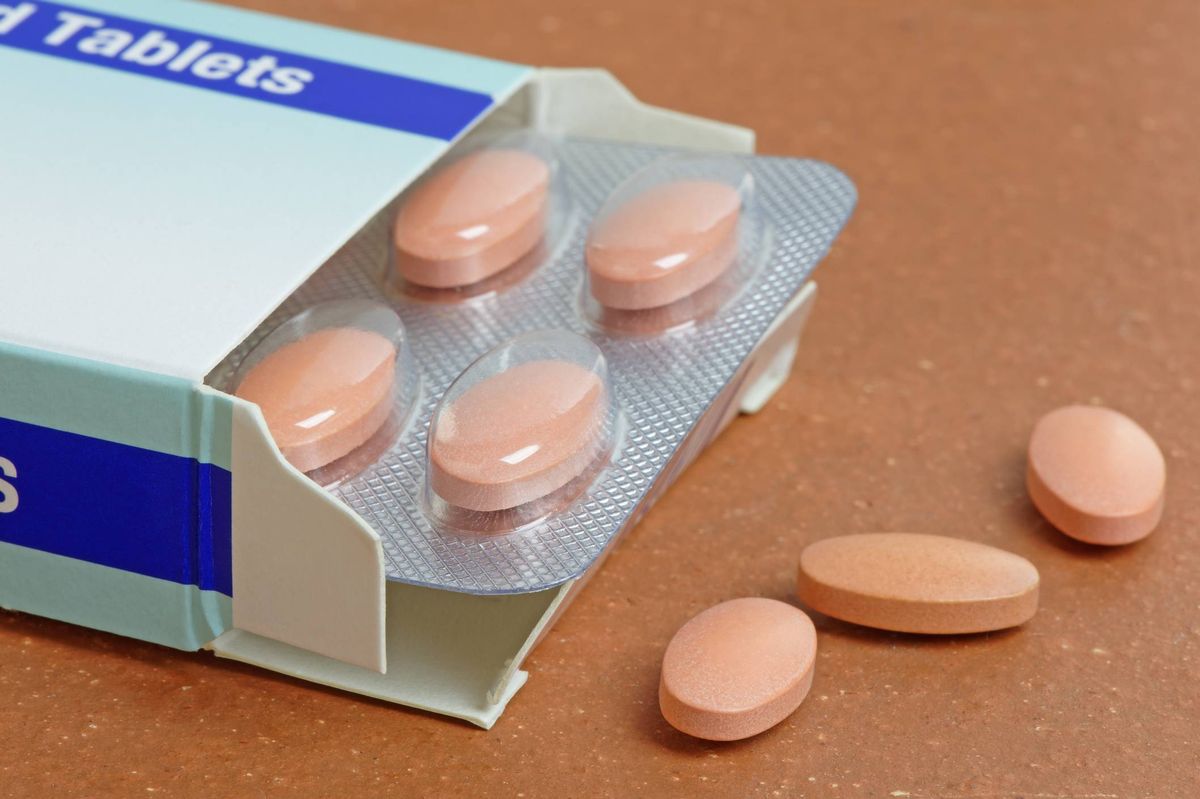 Certain types of commonly prescribed medications are affected (Image: Getty)
Millions of people across the UK who are currently taking certain medications are being urged by the NHS to steer clear of a specific fruit and its juice. The health service has warned that combining this fruit or its juice with these medications can lead to serious complications and concerning side effects.
This warning impacts patients who have been prescribed some of the most frequently used drugs in the country, including certain statins, amlodipine and anti-anxiety tablets. Statins are commonly prescribed medicines designed to reduce “bad” LDL cholesterol levels in the blood.
They function by reducing the amount of cholesterol produced by the liver, thereby preventing the build-up of fatty plaque within the arteries. This significantly reduces the risk of heart attacks and strokes. Statins serve a dual purpose as both a treatment for high cholesterol and a preventative measure against future issues. They are typically taken daily in tablet form.
Amlodipine, marketed under the brand name Istin, is a medicine classified as a calcium channel blocker. It’s used to help manage high blood pressure (hypertension), according to the Mirror. For those with hypertension, using amlodipine can aid in preventing future heart complications, heart attacks, and strokes.
Those taking certain types of amlodipine medication, particularly calcium channel blockers, are advised not to consume grapefruit. As stated on the NHS website: “Do not take amlodipine with grapefruit juice.
 The fruit can cause concerning problems(Image: Getty)
“Having large amounts of grapefruit or grapefruit juice can increase how much amlodipine is in your body and make side effects worse.” It continued: “If you are affected, you may have to avoid eating grapefruit or drinking grapefruit juice while taking amlodipine.”
Regarding statins, the NHS also says: “Grapefruit juice can affect some statins and increase your risk of side effects. A doctor may advise you to avoid it completely or only consume small quantities.” The health service adds: “Do not drink grapefruit juice while taking sertraline. It’s also best to avoid drinking alcohol while taking sertraline because it can stop the medicine working properly.”
Medications affected by grapefruitStatins: Simvastatin, Atorvastatin, Lovastatin.Blood pressure: Amlodipine, Diltiazem, Verapamil, Carvedilol, Amiodarone.Anti-anxiety: Alprazolam (Xanax), Diazepam (Valium), Midazolam (Versed), sedatives (Benzos).Anti-blood-clotting: Warfarin, Clopidogrel (Plavix).Organ transplant: Cyclosporine, Tacrolimus, Sirolimus.Antihistamines: Fexofenadine (Allegra).Erectile dysfunction: Sildenafil (Viagra).HIV/AIDS: Ritonavir, some protease inhibitors.
It’s advisable to steer clear of grapefruit and its juice whilst taking numerous commonly prescribed medicines, as it can perilously elevate drug concentrations in your bloodstream, potentially triggering severe complications such as renal impairment or muscle tissue degradation. Additional citrus varieties known to interfere with medications include Seville oranges, pomelos, and limes.
Grapefruit inhibits enzymes and transporter proteins (such as CYP3A4 and P-gp) within your digestive system from metabolising and facilitating drugs into your circulation. Consequently, this results in disproportionate amounts of medication entering your bloodstream.
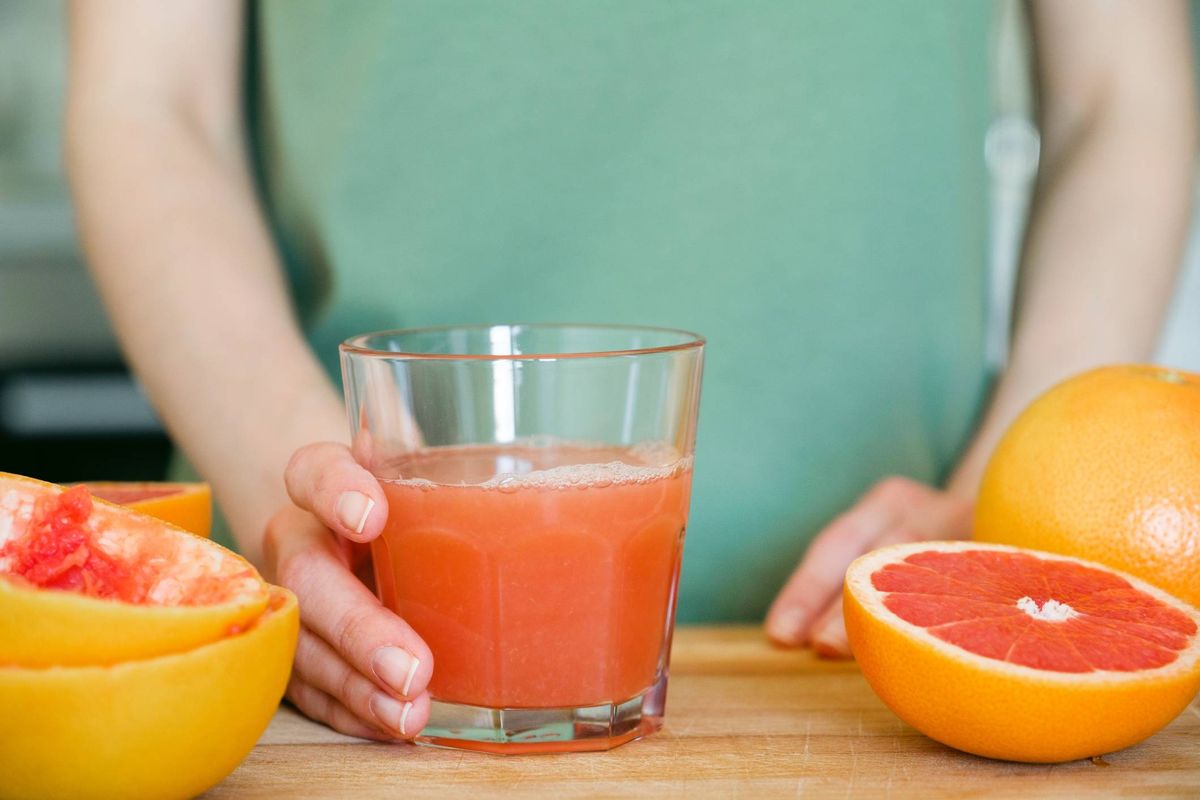 The fruit and its juice can stop your body from properly breaking down the medication
The impact of grapefruit juice varies depending on the specific medication. It’s essential to consult your doctor or pharmacist prior to implementing any modifications. Ensure you examine labels carefully and remain vigilant for any cautions regarding “grapefruit” within your medication information leaflets.
Simply avoiding simultaneous consumption isn’t sufficient; you should abstain from grapefruit throughout the entire duration of your treatment, unless your GP advises otherwise. Consider other citrus varieties as well, such as Seville oranges, pomelos, and limes, as these can produce comparable effects.