
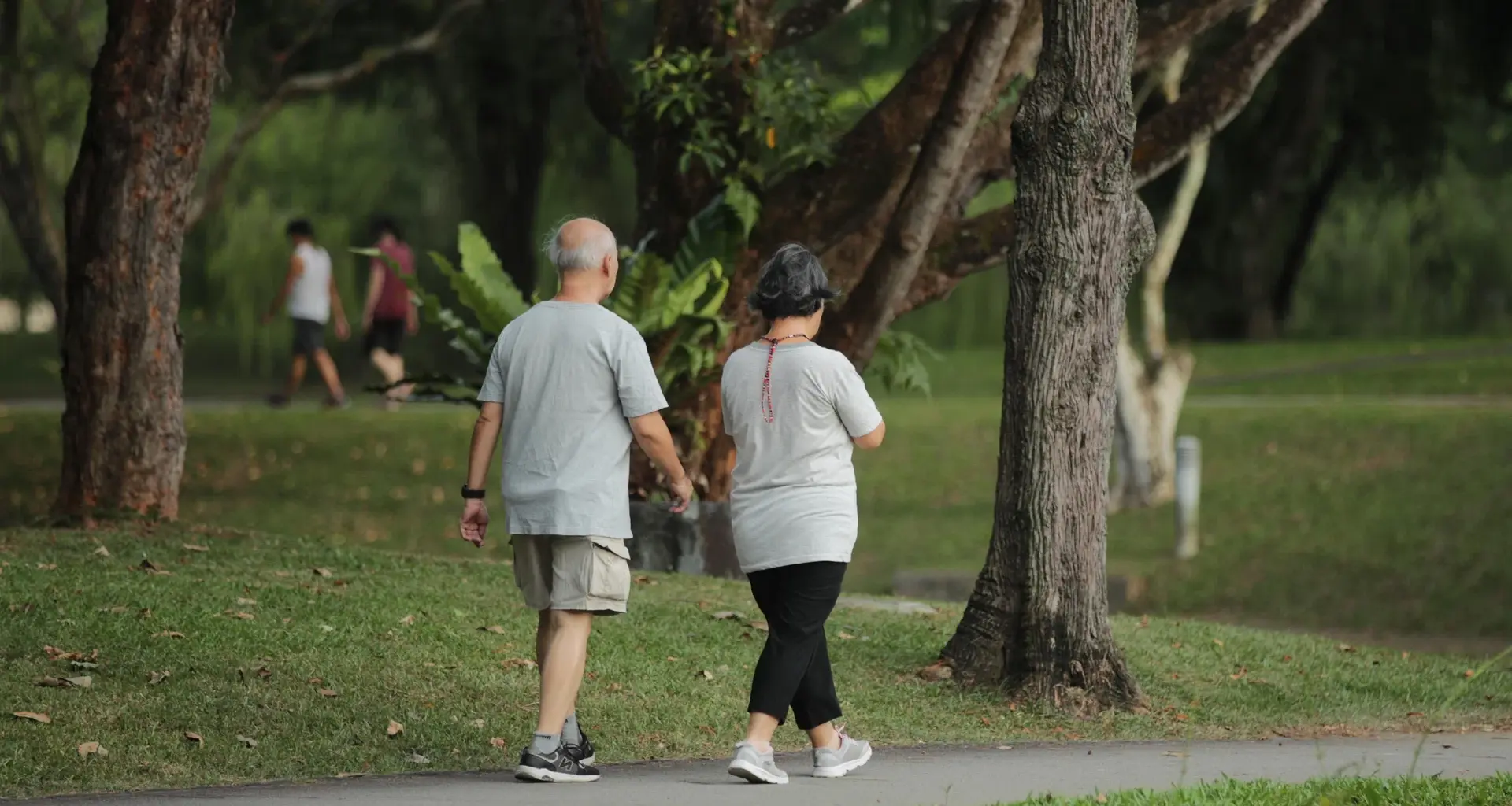
All forms of exercise help you live longer, but some activities come with extra benefits
REGULAR exercise is one of the most effective ways to lengthen your life.
Research consistently shows that physical activity is linked to lower risk of cancer, depression, dementia, Type 2 diabetes and cardiovascular disease.
US guidelines recommend at least 150 minutes of moderate-intensity aerobic exercise per week, along with two days of muscle-strengthening activities. But the pay-off starts much earlier: even four to five minutes of vigorous physical activity every day has been linked to longevity benefits.
“Some is good – more is better,” said Dr Steven Moore, a metabolic epidemiologist at the National Cancer Institute.
While staying active is critical, playing sports adds a social aspect and extra cognitive demands to exercising. And research suggests that some sports may offer a bigger longevity boost than others.
The case for tennis
Walking may be the go-to activity for many, but several studies have highlighted the benefits of tennis for longevity.
Navigate Asia in
a new global order
Get the insights delivered to your inbox.
A Danish study found that tennis players lived almost 10 years longer than their sedentary peers – and longer than soccer players, swimmers and the other recreational athletes included in the analysis.
Other research from Britain and the US followed people for about a decade, and found that playing racket sports was linked to a lower risk of death during the follow-up period than any other sport or form of exercise studied.
These findings do not prove that tennis causes people to live longer, said Dr Emmanuel Stamatakis, an epidemiologist at the University of Sydney and senior author of the British study, since the studies were not designed to tease out why any one sport was particularly beneficial.
It is possible, for example, that people who play racket sports tend to be healthier and wealthier than people who do not, although the researchers tried to account for those differences.
Still, experts believe that tennis’ unique blend of physical, cognitive and social challenges contribute to healthy ageing.
For one thing, tennis offers a full-body workout. The game also demands quick changes in direction, which can help improve balance and reduce a person’s risk of falls, Dr Moore said. Research suggests that playing regularly can also improve bone density, strengthening the body against fractures, he added.
In tennis, you also alternate between intense bursts of movement and brief periods of recovery – a structure that mimics interval training and can efficiently improve your fitness.
The sport is also cognitively demanding and intrinsically social, two factors that are crucial to longevity, said Dr Mark Kovacs, a sports scientist who has coached top tennis players.
Many other sports exercise your brain and buffer against isolation, but people who play tennis also tend to stick with it later into life compared with other sports, said Dr Rochelle Eime, a professor of sport science at Federation University Australia. After all, you need only one partner, and it is relatively gentle on the body, Dr Eime added.
What about other activities?
While tennis stands out in some studies, many other recreational sports are linked with longevity benefits.
In a study of nearly 300,000 older adults in the US, for example, cycling was linked to 3 per cent lower risk of dying over a 12-year period, swimming was linked to a 5 per cent lower risk and golf was linked to a 7 per cent lower risk, compared with those who did other activities, said Dr Moore, who led the research.
While cycling primarily works the lower body, swimming adds upper-body conditioning. Golf tends to involve more gentle aerobic activity but also requires rotational power, balance and fine motor control.
This mix of physical demands might drive modest differences in longevity, but experts cannot say for sure – and they do not recommend swopping activities based on the results. The main takeaway is to find a sport you enjoy and stay active, Dr Moore said.
Resistance training is also critical to ageing well: One large analysis found that an hour each week lowers a person’s risk of dying by 25 per cent, while other research tied resistance training to better mood and cognitive function.
Strength training can help fend off age-related declines in muscle mass so that you can maintain independence and day-to-day function, said Dr I-Min Lee, an epidemiologist at the Harvard T H Chan School of Public Health.
How to optimise your workout for longevity
Building new skills and challenging your brain are generally good for healthy ageing, so it is worth finding a sport you enjoy.
However you decide to get moving, keep these longevity tips in mind.
Make it social. For decades, social connectedness has been tied to better health and a longer life. Find ways to be active with other people, like joining a run club, signing up for a group fitness class or trying a new sport through your local recreation centre. This social element also helps with motivation and accountability, Dr Stamatakis said.Keep challenging yourself. Sports are mentally engaging because they are dynamic and goal-driven, Dr Kovacs said. But you can bring that mindset to any form of exercise. First, add some novelty: a new route, a different gym routine or an unusual playing environment. Second, set clear, short-term goals that push you forward, like increasing your walking time or nudging up the weight you lift.Exercise your whole body. Cardio staples like running and cycling are great ways to stay active, Dr Moore said. But pair them with upper-body work, including resistance training, so that you are getting a full-body workout and building muscle. Research suggests that people who do both aerobic exercise and strength training live the longest.Aim for consistency. The benefits of exercise only stick if you keep doing it as you get older, Dr Lee said. While tennis is sometimes called a “lifetime sport”, you do not need to stick with one activity forever. Mixing things up can keep exercise fresh and easier to sustain, especially as your body changes.
Ultimately, any and all physical activity improves longevity.
“Find something that works for you,” Dr Lee said. “The bottom line is to move more.” NYTIMES
Decoding Asia newsletter: your guide to navigating Asia in a new global order. Sign up here to get Decoding Asia newsletter. Delivered to your inbox. Free.