
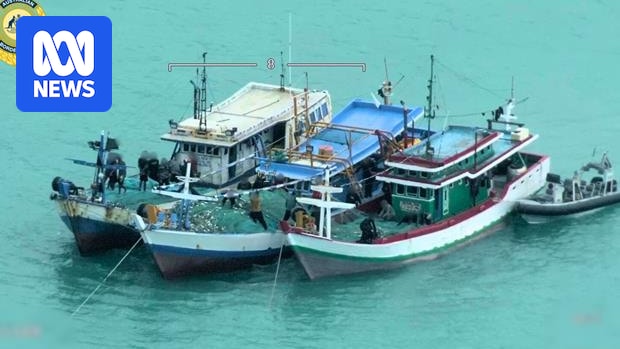
Australian primary producers say they are concerned about the risk of foreign pests crippling entire industries if overseas fishing boats continue to enter the nation’s waters illegally.
Farmers are calling for increased biosecurity protection, with beef and horticulture crops all vulnerable to pests found in neighbouring countries to Australia’s north.
Since the start of the year, Border Force has intercepted at least 13 suspected illegal fishing boats in Queensland waters near Cape York, all believed to be from Indonesia or Papua New Guinea.
More suspected foreign boats were also photographed in the Torres Strait on the weekend, and the ABC has obtained photographs of an Indonesian boat pulling into a creek on the mainland.
Some foreign fishers have landed on islands in the Torres Strait in recent weeks.
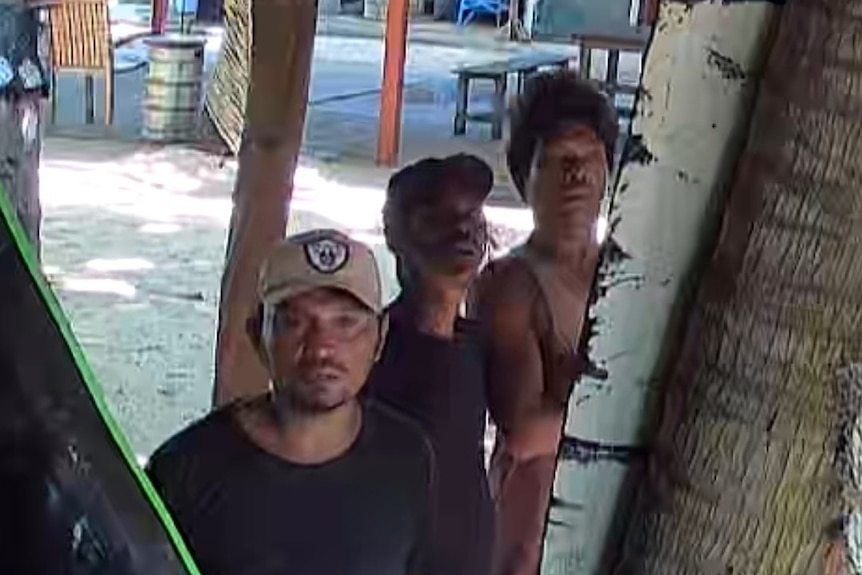
CCTV footage from a resort on Roko Island, allegedly shows Indonesian fisherman walking up to the beach-front bar in the Torres Strait.
Billion-dollar industry at stake
Cape York grazier Joy Marriott said lumpy skin disease (LSD) and foot-and-mouth disease (FMD) would be devastating if they were to enter Australia from Indonesia.
She is also concerned about the risk of screw-worm fly from Papua New Guinea.
Currently, Australia remains free of these threats.
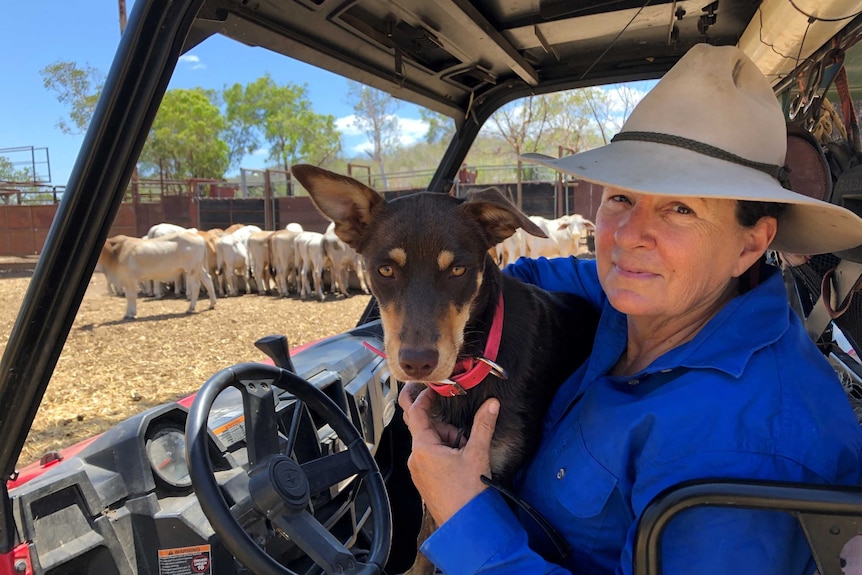
Joy Marriott is a cattle grazier from Lakeland in Cape York. (ABC Rural: Charlie McKillop)
“It’s inevitable if we can’t get a handle on this biosecurity stuff, that we’re going to have a disease outbreak and the producers that are left in Cape York are going to be at the forefront of the outbreak,” Ms Marriott said.
“Once there’s an outbreak they destroy the animals.
“There’s no coming back from that.”
In 2023, it was estimated an outbreak of lumpy skin disease in Australia could cost the nation $7.4 billion in the first year alone due to lost trading opportunities.
Ms Marriott said federal and state governments needed to upgrade biosecurity controls.
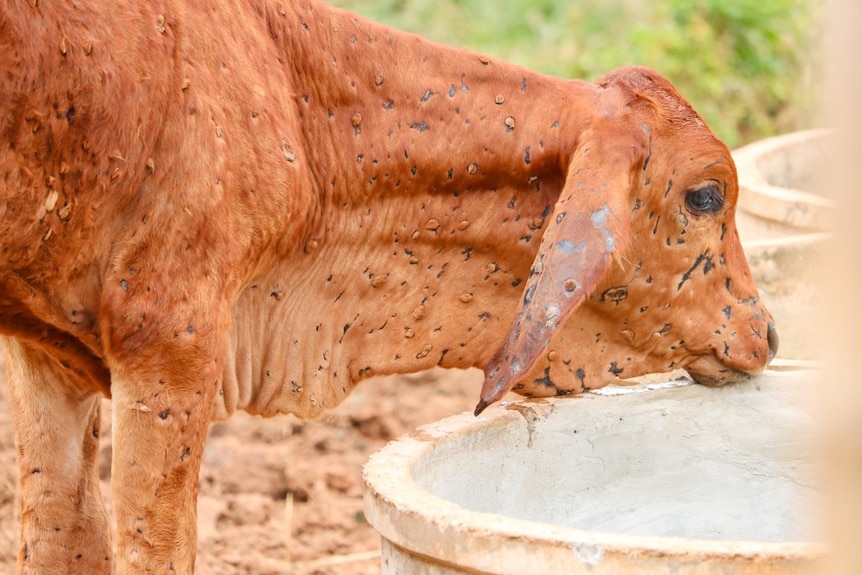
A calf with lumpy skin disease. (Supplied: DAWE/Shutterstock)
Mango grower and president of horticulture group FNQ Growers Joe Moro said there was a “wide range of [horticultural] crops that could be affected”.
“And there’s a wide range of diseases and pests that are in Indonesia that are not in Australia,” he said.
“The threat is real and it’s serious.”
Mr Moro said illegal foreign fishers entering Australian waters and mainland creeks were a problem.
“We don’t know what they may be carrying that could have a disease or a pest on board,” he said.
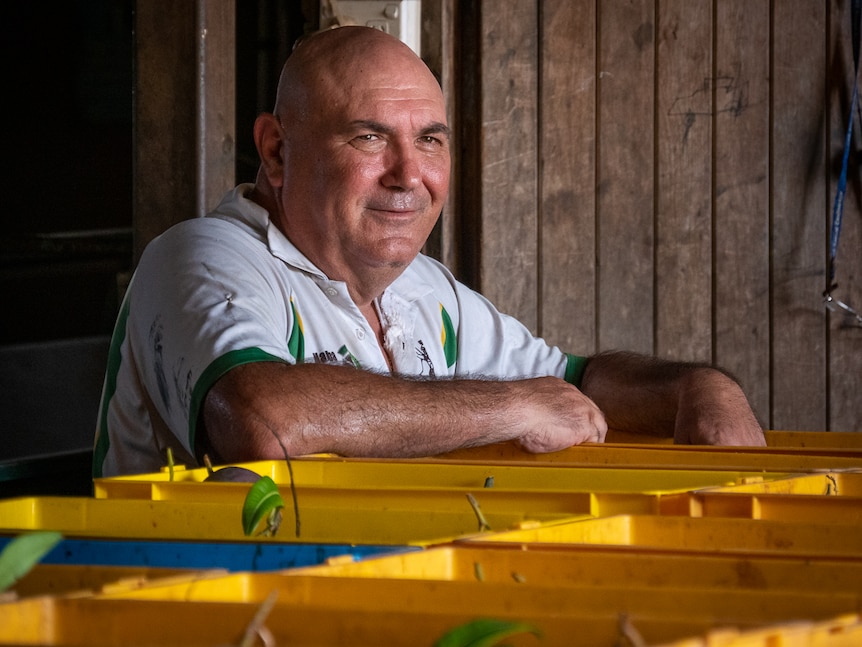
Joe Moro is concerned about pests and diseases coming into Australia from illegal foreign fishing vessels. (ABC News: Brendan Mounter)
Closed biosecurity facility
Queensland previously had a roadside checkpoint on Cape York Peninsula checking vehicles for biosecurity threats that could enter Australia from the north.
The former state government closed the checkpoint at Coen in 2023, and the current government was elected in 2024 on a promise to reinstate it.
Mr Moro and Ms Marriott said they both wanted the checkpoint reopened.
“The [biosecurity] measures need to be adequate enough to make sure that the industry and the community is confident that no pests and diseases can come down from the Cape into some very important growing regions,” Mr Moro said.
A spokesperson for Queensland’s Department of Primary Industries (DPI) said consultants were engaged late last year to review the closure, which involved “extensive consultation with stakeholders in the region”.
The report and its findings would be presented to the government for consideration in early 2026, the DPI spokesperson said.
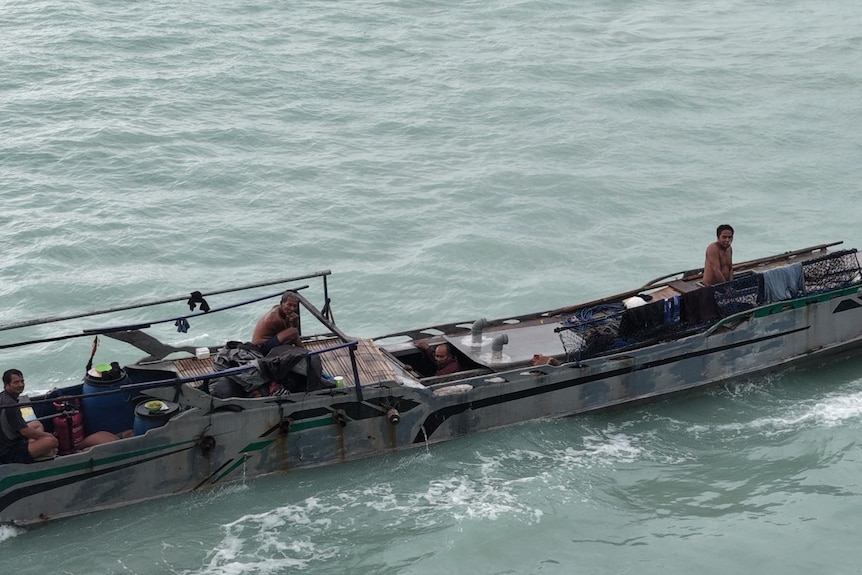
A drone image of a foreign fishing vessel taken near Prince of Wales Island in the Torres Strait on January 22, 2026. (Supplied: Rod Colquhoun)
State Member for Cook David Kempton is deeply concerned about the illegal fishing vessels in the Torres Strait.
“The point about all of this is that that border needs to be secure, and the federal government ought to be using more of the Islanders, both in terms of their surveillance and monitoring ability, but also their knowledge of the waters.”
He said the state government had employed 100 new biosecurity officers, with some who are stationed in Cape York.
Last week, the federal government announced a multi-agency operation, called Operation Broadstaff, targeting foreign fishing boats illegally entering Australian waters in north Queensland and the Torres Strait.
Federal Minister for the Environment and Water Murray Watt said the government was working towards stopping the illegal fishing vessels getting into Australian shores.
“There’s a range of environmental and health reasons to take strong action against illegal fishing, and that’s what we are doing through measures like the new Operation Broadstaff,” he said.