Pros and cons for F1’s radical new rules
It looks like the doom and gloom from fans and some of the drivers was a little overstated.
Yes, the cars are obviously slower. Yes, some of the drivers struggled to come to grips with the complexity of building up and deploying the charge from the battery. And yes, it looks reminiscent of 2014, when Mercedes aced the new tech rules and were rarely headed for the rest of the year.
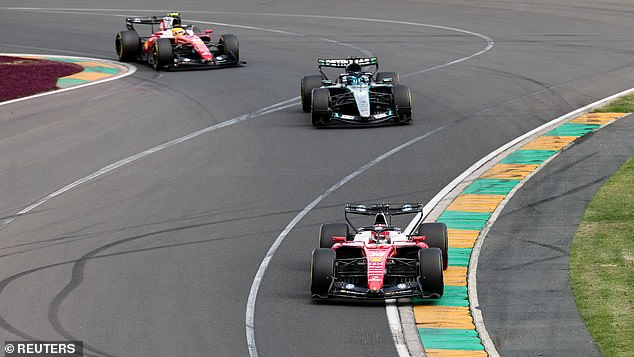
However, we did get some big helpings of drama right from lights out, as Leclerc charged through the field and staged a ding-dong battle with Russell until the first safety car period. There were lead changes aplenty and the underlying message is that the Ferrari – on a track it seems less suited to than the Mercedes – isn’t as far off the pace as people feared after qualifying.
There were fewer retirements/non-starters than many had anticipated, and it’s hard to put Piastri’s crash down to the effects of the new regs, Verstappen set the fastest lap of the race in a Red Bull that could yet prove it belongs on the podium, and even the Aston Martins managed to clock up more laps than anticipated.
And bear in mind how important the development battle will be this year. In 2022 we saw a Ferrari 1-2 in the first GP in Bahrain, only for Red Bull to do a far better job of wringing performance out of their car over the rest of the season.
Ferrari, Red Bull and McLaren have a mountain to climb to match Mercedes, but it doesn’t appear to be as cut and dried as many feared.