

7 hours agoAuthor: Sourabh Baghel

Sleep isn’t just about feeling fresh in the morning. It might actually reveal how fast your brain is ageing and even your risk of dementia. A new study by researchers from the University of California, San Francisco and Beth Israel Deaconess Medical Center has found a surprising link between sleep patterns and brain health.
How the study was done

Poor sleep may accelerate brain ageing, a new study shows
The research looked at nearly 7,000 people aged between 40 and 94, none of whom had dementia at the start. Participants were tracked for 3.5 to 17 years, and during this time, about 1,000 people developed dementia. To study brain activity, researchers used an EEG (electroencephalogram) a test that records electrical signals in the brain while you sleep.
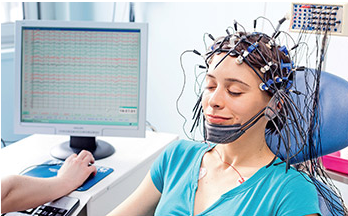
EEG (electroencephalogram)
What is “Brain Age”?
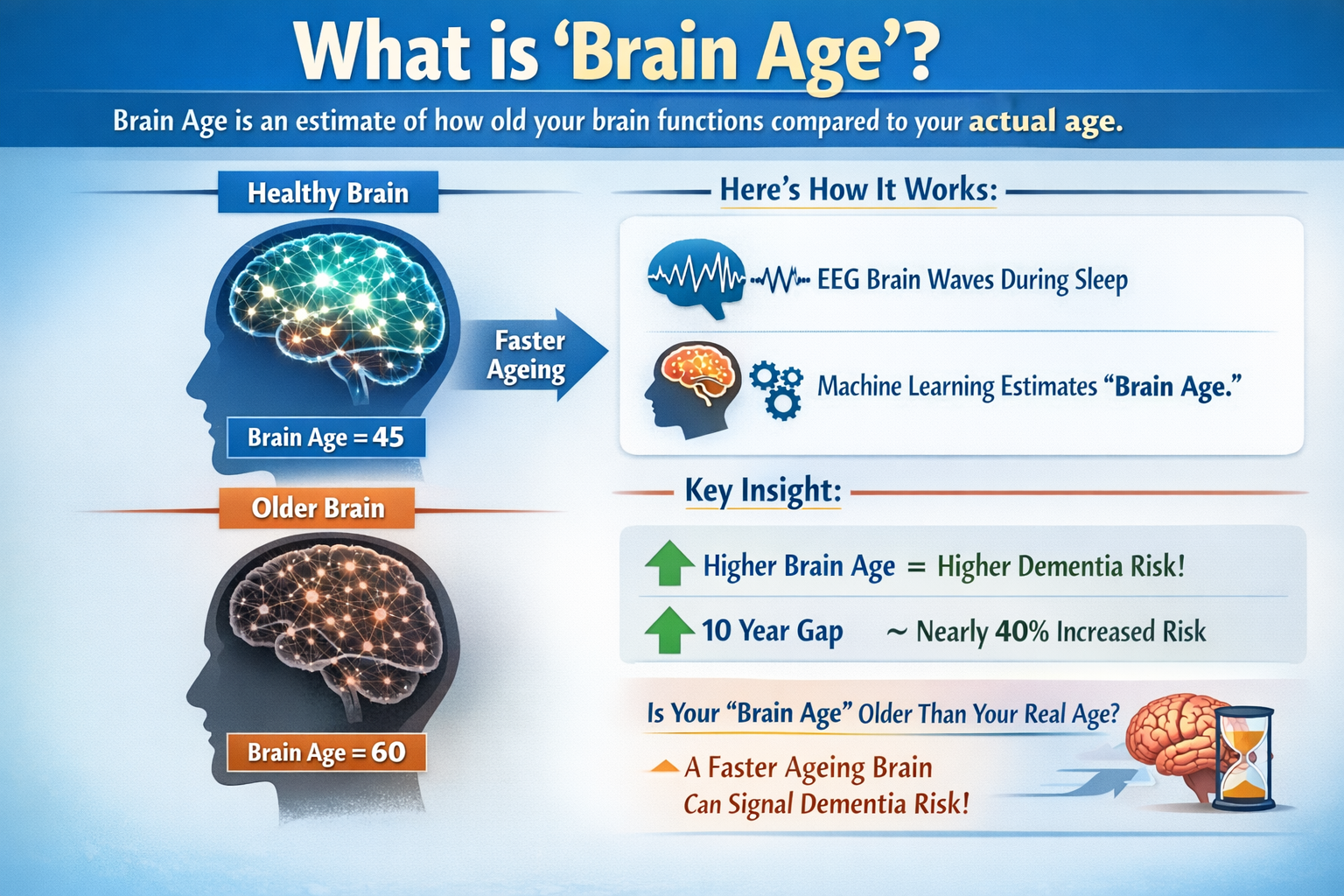
Using a machine-learning model, scientists estimated each person’s “brain age” based on their sleep brain waves.
Here’s the key finding:
If your brain age is higher than your real age, your dementia risk risesFor every 10-year gap, the risk increases by almost 40%
In simple terms, your sleep can reveal if your brain is ageing faster than it should.
What your brain does during sleep matters
The study found that certain brain wave patterns are especially important:
Deep sleep (delta waves), linked to recovery and brain healthSleep spindles short bursts of activity tied to memorySudden spikes in brain activity (kurtosis) linked to lower dementia risk
Interestingly, these subtle patterns are often missed by basic sleep metrics, like how long you sleep or how efficient your sleep is.
Experts say sleep is far more complex than we usually think.
Can this help detect Dementia early?

Residents affected by dementia attend a therapy session an elderly home in Hamburg.
Yes, potentially. Because EEG is non-invasive, researchers believe this method could one day be used with wearable devices making it easier to track brain health at home. Sleep could become an early warning system for dementia risk.
Can you protect your brain?
There’s no magic cure but your lifestyle still matters. Researchers suggest: Maintaining a healthy weight and exercising regularly reduce sleep issues like sleep apnea.
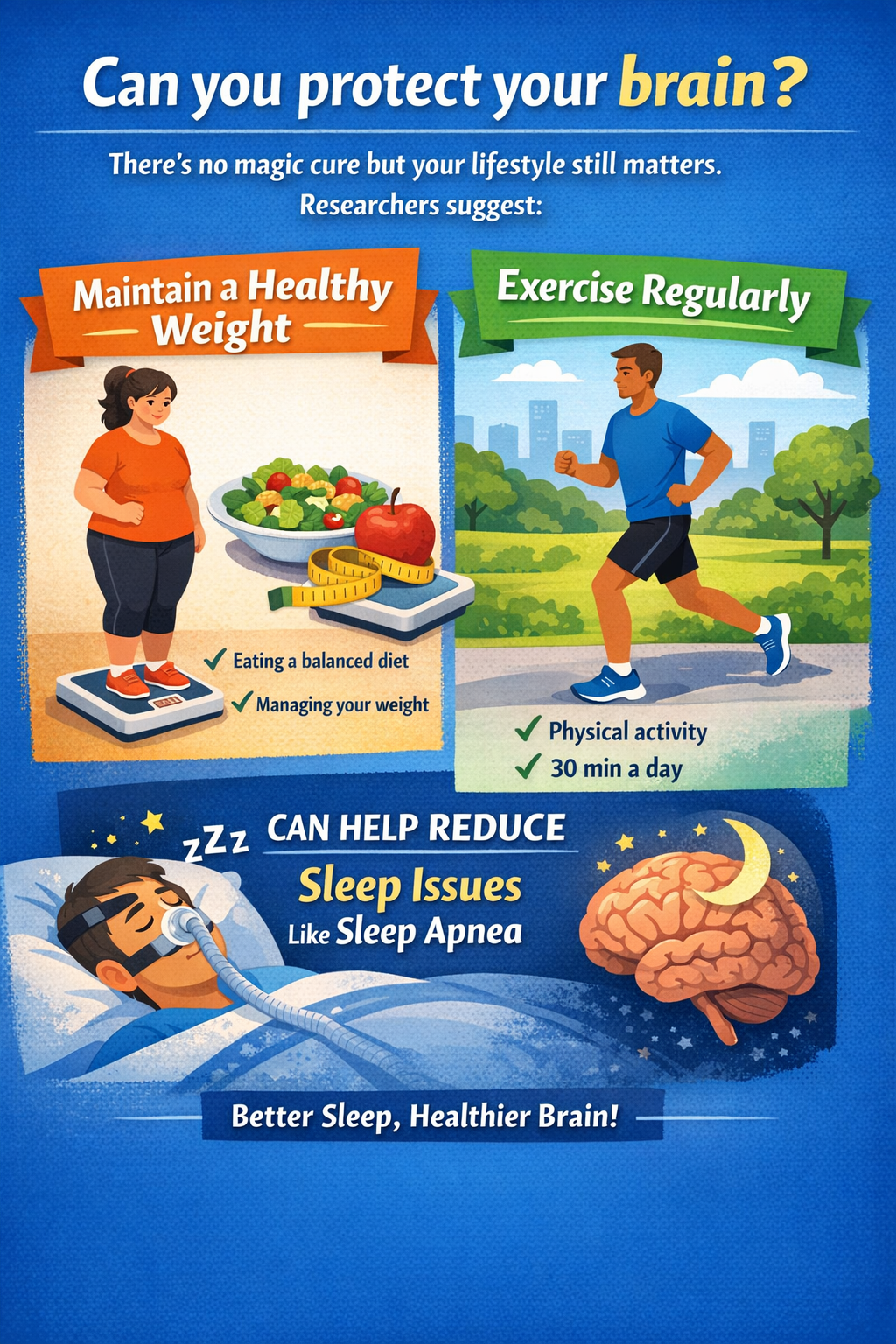
Better sleep habits may help slow down brain ageing over time. Your sleep is more powerful than you think. It doesn’t just recharge your body it offers a window into your brain’s future.