
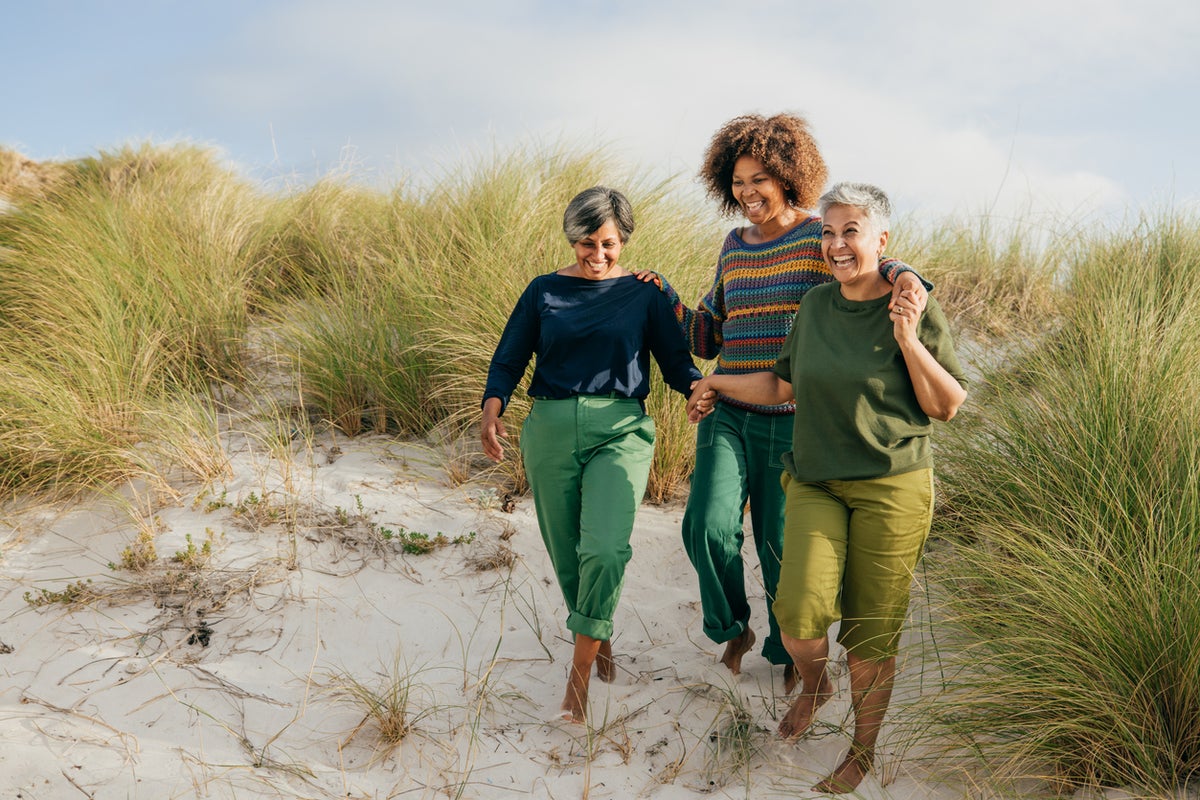
Living longer has always occupied the human psyche – just look at history’s many Lazarus-inspired stories. But it has become something of an obsession in recent years.
Consider Bryan Johnson, the tech millionaire who spends countless hours and dollars on intricate longevity protocols – including a blood exchange with his son. Even in more relatable circles, many still splash the cash on supplements, skincare and pricey recovery equipment to fend off the effects of ageing. But new research from the University of Sydney suggests that staying active could be a cheaper alternative.
Dr Binh Nguyen and her team followed 11,169 women aged between 47 and 52 for more than 15 years. They found that women who regularly met World Health Organisation physical activity guidelines (at least 150 minutes of moderate-intensity physical activity per week) “had about half the risk of premature death as those who remained inactive”.
However, this is only half of the story. An earlier study from Dr Nguyen focused on a similar demographic and found that exercising in midlife also increased quality of life, even in women who only started in their fifties.
Perhaps those longevity goals should be reframed? Instead of aiming to live as long as possible, we should look to maximise our healthy years. Exercise helps considerably on both fronts, combatting chronic diseases while allowing us to maintain physical function and independence.
How to exercise for longevity and quality of life
“Everybody knows exercise is good for them,” says Dr Nguyen. However, many people don’t do it. There are many reasons for this, and all hold weight: time, energy, enjoyment, opportunity, injury, knowledge, inhibition and changing chapters of life.
Linked to this last point, an article from the University of Sydney reports: “For many women, staying active through midlife can be harder during perimenopause and menopause, when physical changes can disrupt energy levels and make regular exercise more difficult to sustain.”
Dr Nguyen’s studies shrink these hurdles by lowering the barrier to entry for exercise. The results suggest that movement in any form is likely to leave you in a better place health-wise – whenever you start.
“Staying consistently active for decades can seem daunting,” she says. “But it’s good to remind people that you’ll get benefits even if you do just a little bit of physical activity and build from there; it will improve not only your physical health, but also your mental health, social connections and all kinds of other benefits.
Read more: The exercise more important than walking – especially if you’re older
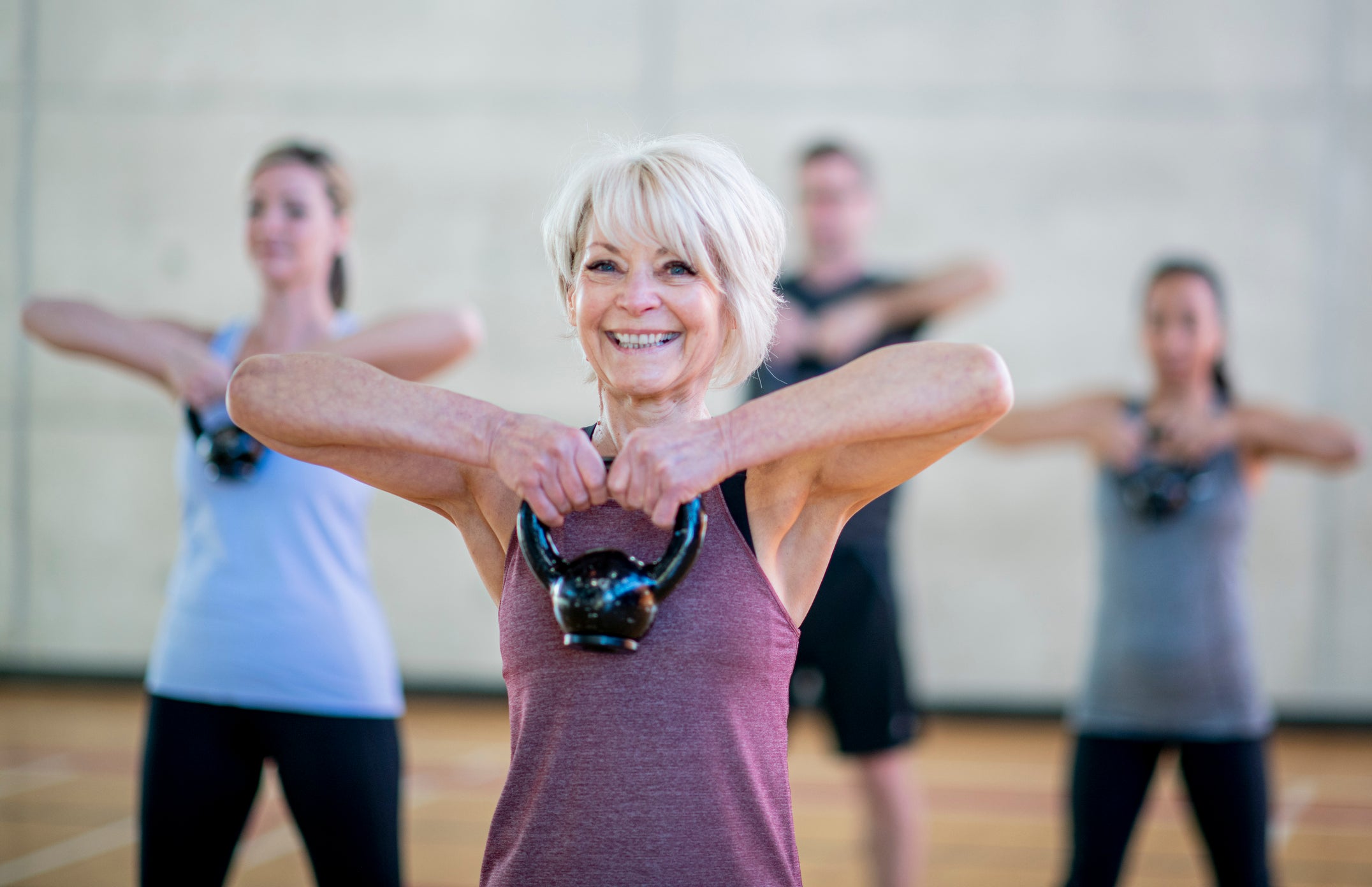 The research suggests that any activity that raises heart rate can help you become healthier (Getty/iStock)
“…With menopause, although this is not my area of expertise, you can have body composition changes that are not in the direction you were hoping for. You can have a higher risk of insulin resistance and other diseases, and [accelerated] bone loss. Being physically active can help counteract many of these changes.”
Physical activity can take many forms, from strength training, sports and running to walking, gardening and housework. Each activity boasts its own list of specific benefits, but Dr Nguyen’s research presents general movement as the common denominator behind living better for longer.
A third study co-authored by Dr Nguyen and led by her colleague Dr Mengyun Luo also found that, in those who do not currently exercise, increasing light-intensity physical activity (any easy movement such as a slow walk or stretch) also has the power to reduce risk of death.
Read more: Think you’re too old to start exercising at 50, 60 or 70? Think again
 If you struggle to squeeze much movement into your week, introducing even light activity can have noticeable positive impacts (Getty)
You already walk a lot – what’s next for better health?
If your current routine involves very little movement and longevity is your goal, all the evidence suggests that introducing physical activity in any form will come with merits galore. And it will be no surprise to learn that the more you do, the better the results.
“Light-intensity physical activity (LPA) may complement moderate- to vigorous-intensity physical activity (MVPA) to reduce risk of all-cause mortality, particularly among those with low MVPA or those unable to engage in higher-intensity activities,” the third study concludes.
However, it adds: “The effect diminished as MVPA level increased.”
In short, light physical activity always has value, with an “optimal dose” identified at 195-225 minutes per day. But if you already exercise a decent amount, adding light activity on top of this will have less of an impact than if LPA were the only movement you did.
Read more: We’ve been thinking about chronic pain all wrong – here’s what actually helps
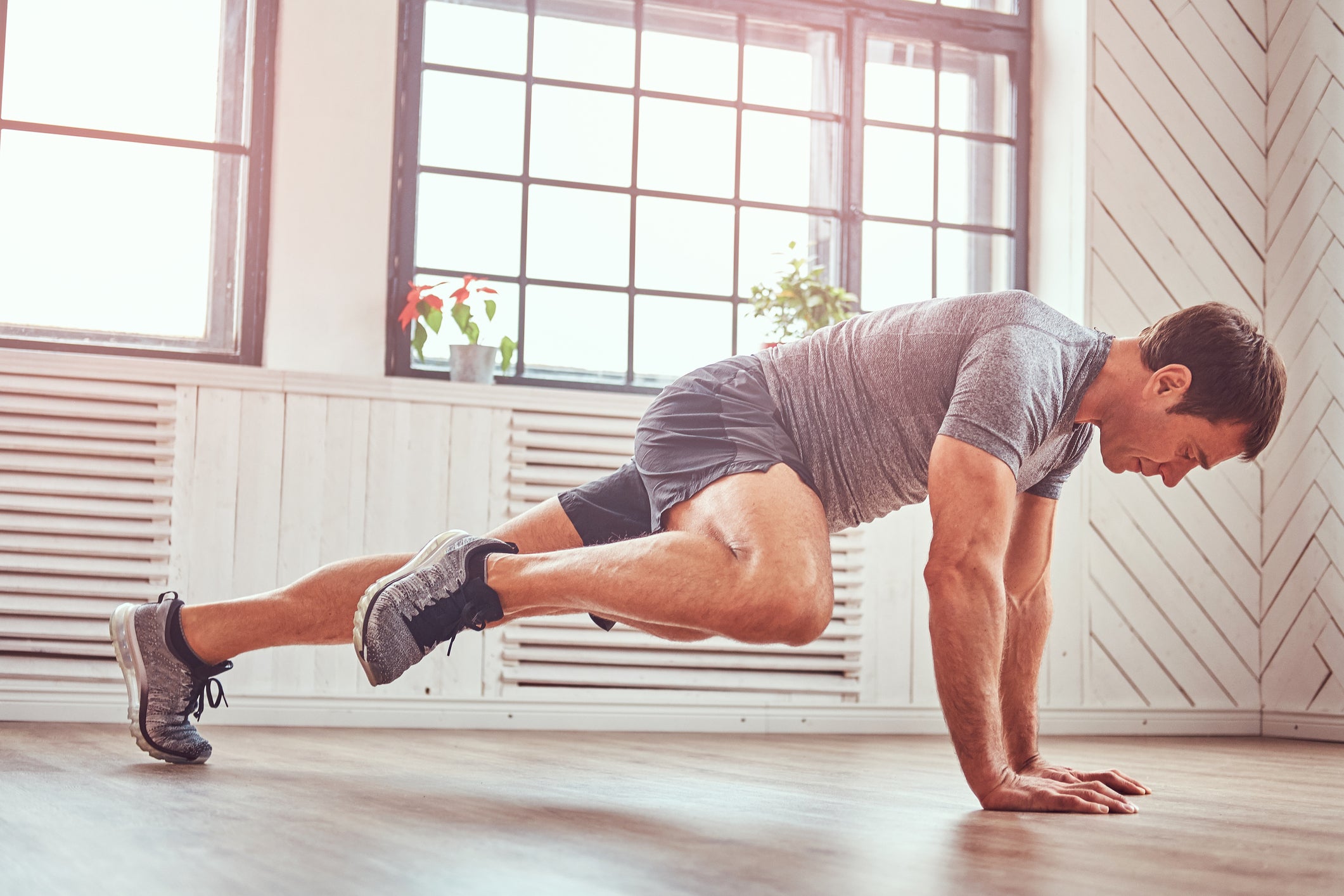 After ensuring you are moving regularly, introducing strength training into your weekly fitness plans can help build a stronger, more robust body (Getty/iStock)
Think of it like filling a glass versus filling a bucket. If you add a pint of water to a pint glass, it will fill it – a significant impact. If you add it to a bucket, it will be fuller than when you started, but there is still plenty to be done before it reaches the brim.
For those who already exercise and want to boost their health, increasing weekly MVPA can hold plenty of perks – it further fills the bucket. You may also focus on the individualised benefits of specific types of exercise.
“I’d encourage people to do a range of things if they can,” advises Dr Nguyen. “Strength training becomes increasingly important as you grow older to maintain muscle mass and keep your bones strong.
“I would also encourage people to do some form of aerobic activity [rhythmic heart rate raisers such as walking, running, swimming and cycling], and throw in some balance exercises such as yoga as well because falling becomes more of a risk as people age.”
Dr Nguyen’s research show that all movement can be a considerable force for good, and more specialised types of exercise offer further perks for your strength, balance and physical function. And perhaps the best part is that it is never too late to start.