
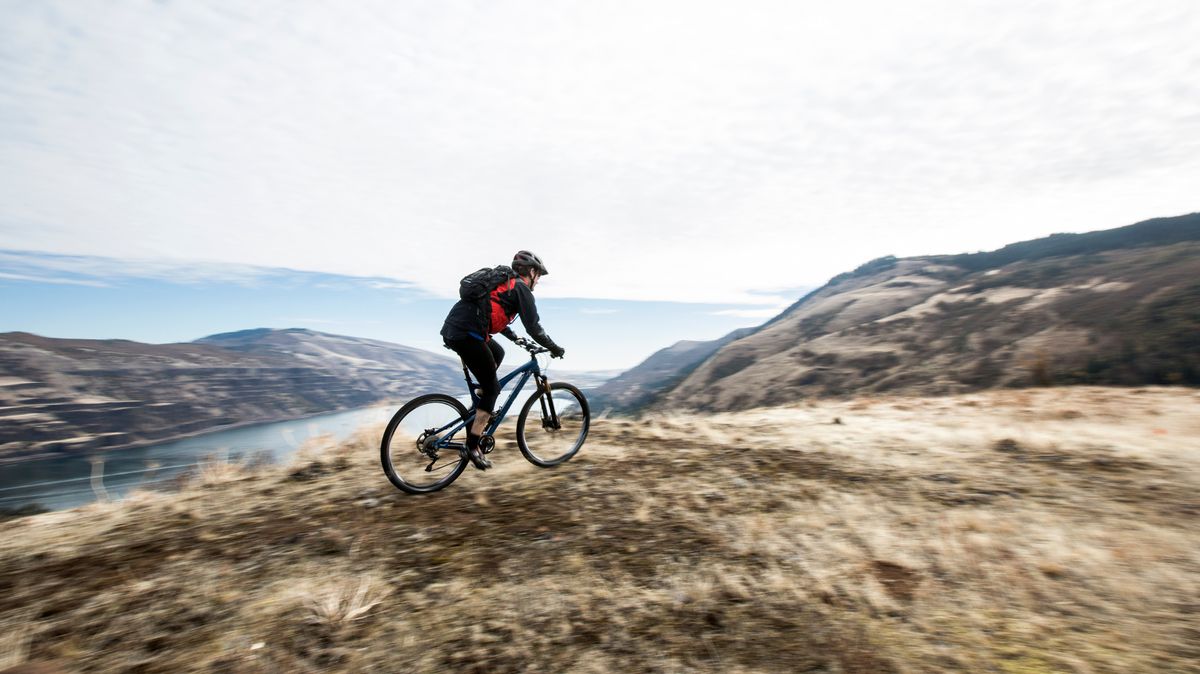
A report – called ‘Hardly Working Out: Barriers to Physical Education in Prisons – out recently stated that exercise was ‘enormously important’ to inmates
13:00, 18 Apr 2026Updated 13:49, 18 Apr 2026
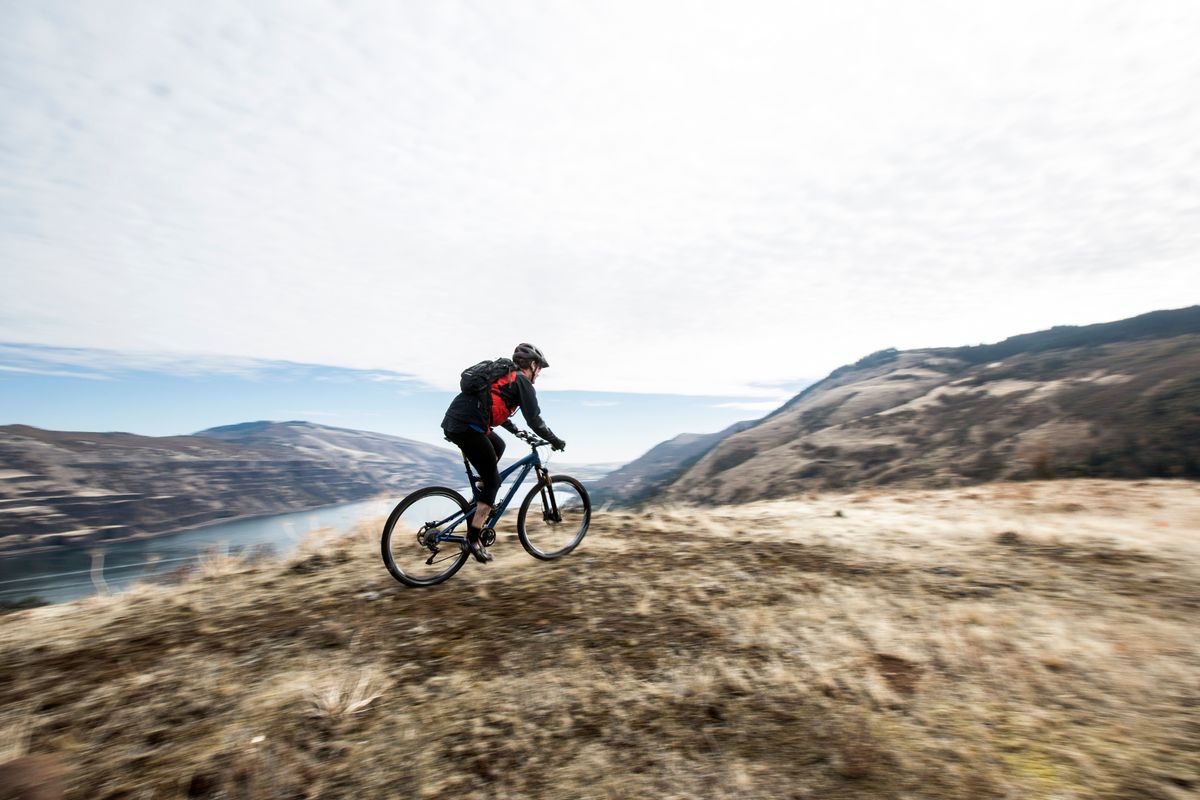
A recent report found exercise is important to inmates(Image: Getty Images)
Prisoners are being let out of jail to go mountain biking. Inmates at HMP Hatfield, a 360-capacity open jail in South Yorks, simply hop on the bikes and pedal out of the jail, usually with at least one officer accompanying. Lags at the jail can even choose to go on an orienteering course called the National Navigation Award Scheme (NNAS). The course, which normally costs £130, sends inmates out into the wilds with a compass and a map and told to ‘find their way home’. They are taught how to read a compass accurately and how to decode a map, figuring out how to ‘cross open country’ – and are supplied with a map, compass and head-torch. Leaders working at the NNAS teach inmates about grid references, how to figure out contours and various land features – like hills, quarries, roads and pathways – as well as the Countryside Code. Around 60 inmates sit the NNAS course every year, although they have to be home in time for ‘lock up’. Between 18-24 prisoners take part in a ‘mountain bike maintenance’ course each year, with repaired bikes used by inmates to ‘develop skills in mountain biking’.
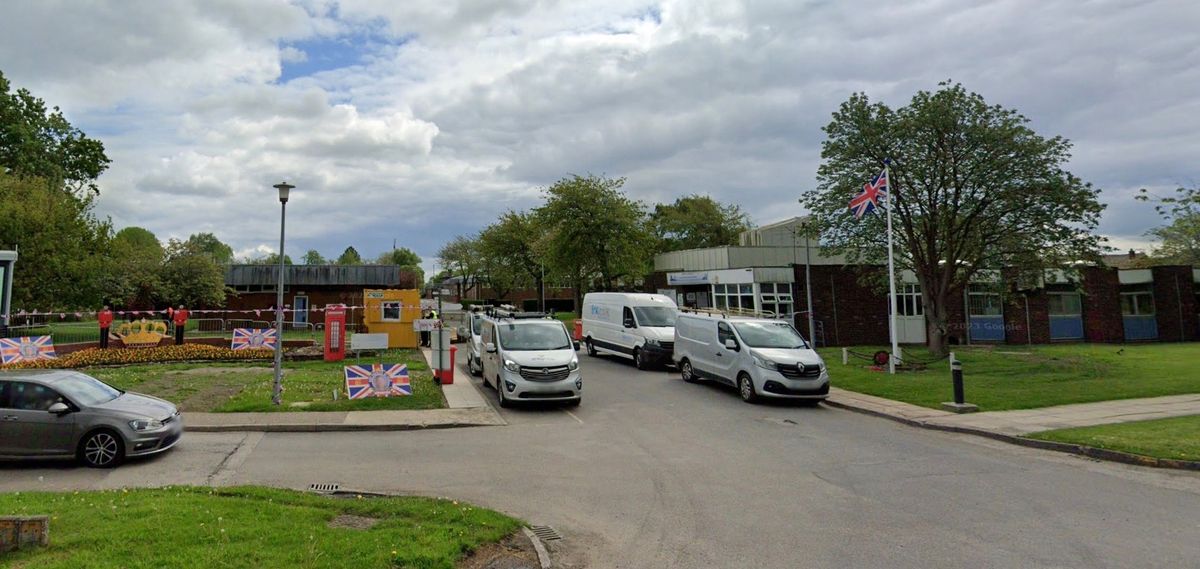
HMP Hatfield(Image: Google)
READ MORE: Foreign Office chief Olly Robbins SACKED by Keir Starmer over Mandelson vetting scandalREAD MORE: Road speed limit 60mph change on 200,000 miles of England roads update as DfT issues response
A report – called ‘Hardly Working Out: Barriers to Physical Education in Prisons – out recently stated that exercise was ‘enormously important’ to inmates. Charlie Taylor, the Chief Inspector of Prisons, said in the report that physical and mental health were vital for inmates. He stated: “Visiting the gym and physical exercise are enormously important to many prisoners. “Time spent in the gym takes them away from the drudgery of life on the wings, supports their well-being and improves their physical and mental health.” He said there were ‘many barriers’ to inmates getting enough exercise, including staff shortages, lack of equipment, and restricted regimes, which see some inmates locked in cells for up to 23 hours-a-day. Mr Taylor said: “Physical activity is not a luxury. It is a vital tool for rehabilitation, a cornerstone of wellbeing and a gateway to safer, healthier communities. It must be treated as such.’ Singling out HMP Hatfied, Mr Taylor praised staff for ensuing that exercise – including mountain biking and orienteering – was organised in the evenings and at the weekends. He said that 95% of inmates said they could exercise over the weekend. A report into the jail stated: The gym continues to be very popular with men. Instructors continue to deliver a range of courses, including a National Navigation Award scheme, which is designed to develop self-esteem, confidence and teamwork skills. Short courses on fitness and well-being were available to all prisoners. “The PE staff also facilitated courses outside the prison, which gave prisoners the opportunity to develop skills in mountain biking and navigation.” One inmate, however, told inspectors the gyms were ‘rubbish’ in HMP Wymott, a 1,100-capacity jail in Lancashire. He said: “The gym is the most positive thing, but the equipment is all broke and look like it was the same equipment Arnold Swarzenegger use in the 70s.”