
1
Electronic Devices
 Elena Popova//Getty Images
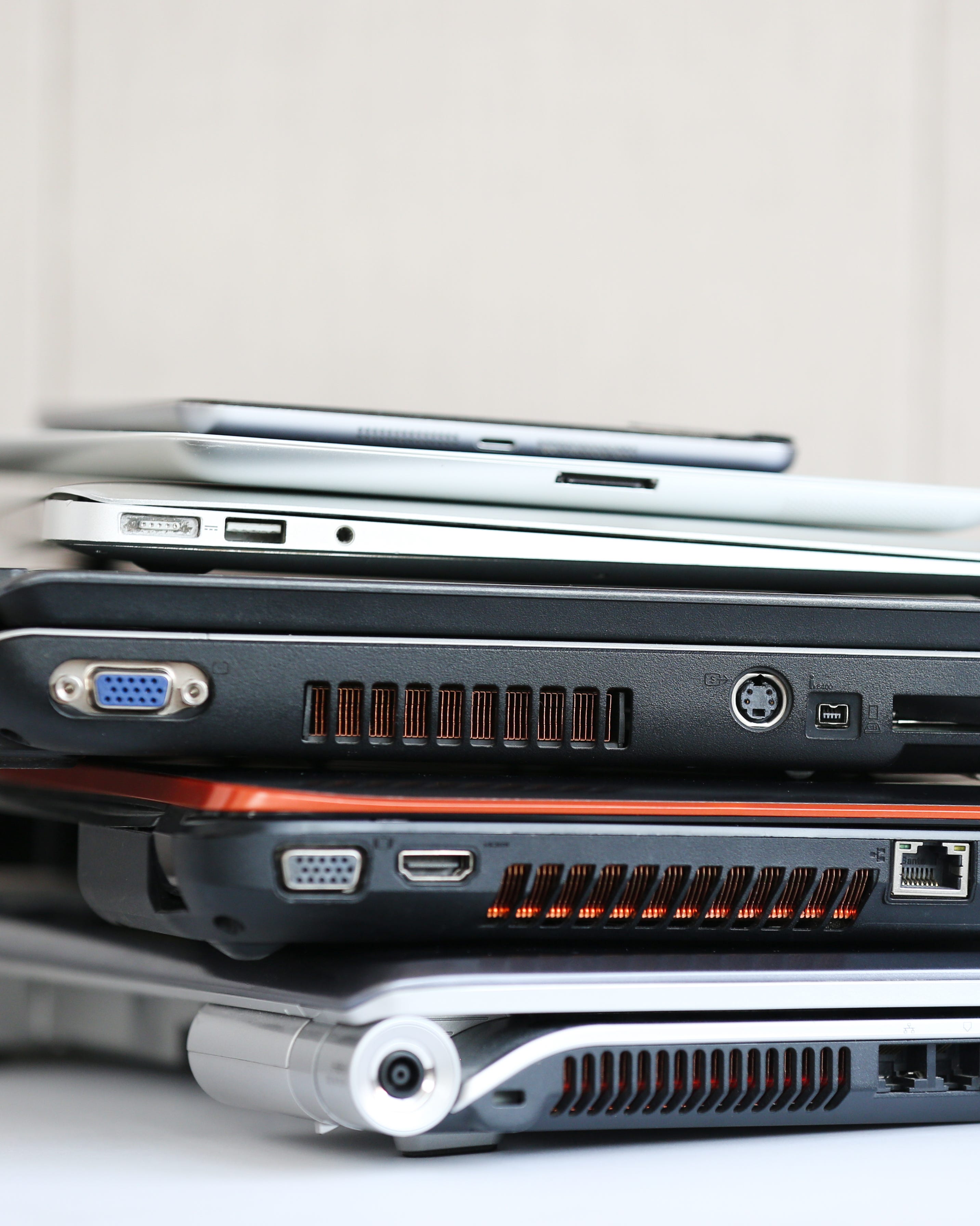
If your phone, laptop, or tablet gives out on you, you might toss the old model in the trash after buying a replacement. But electronics release hazardous materials like lead and mercury that can negatively affect your health and the environment. A safer disposal method is a local e-waste recycling program or a trade-in option. “Recycling electronics allows the metals to be safely and efficiently recovered for new products,” Dyer explains. Bonus: you could get some money back!
2
Lithium-Ion Batteries
 Kypros//Getty Images
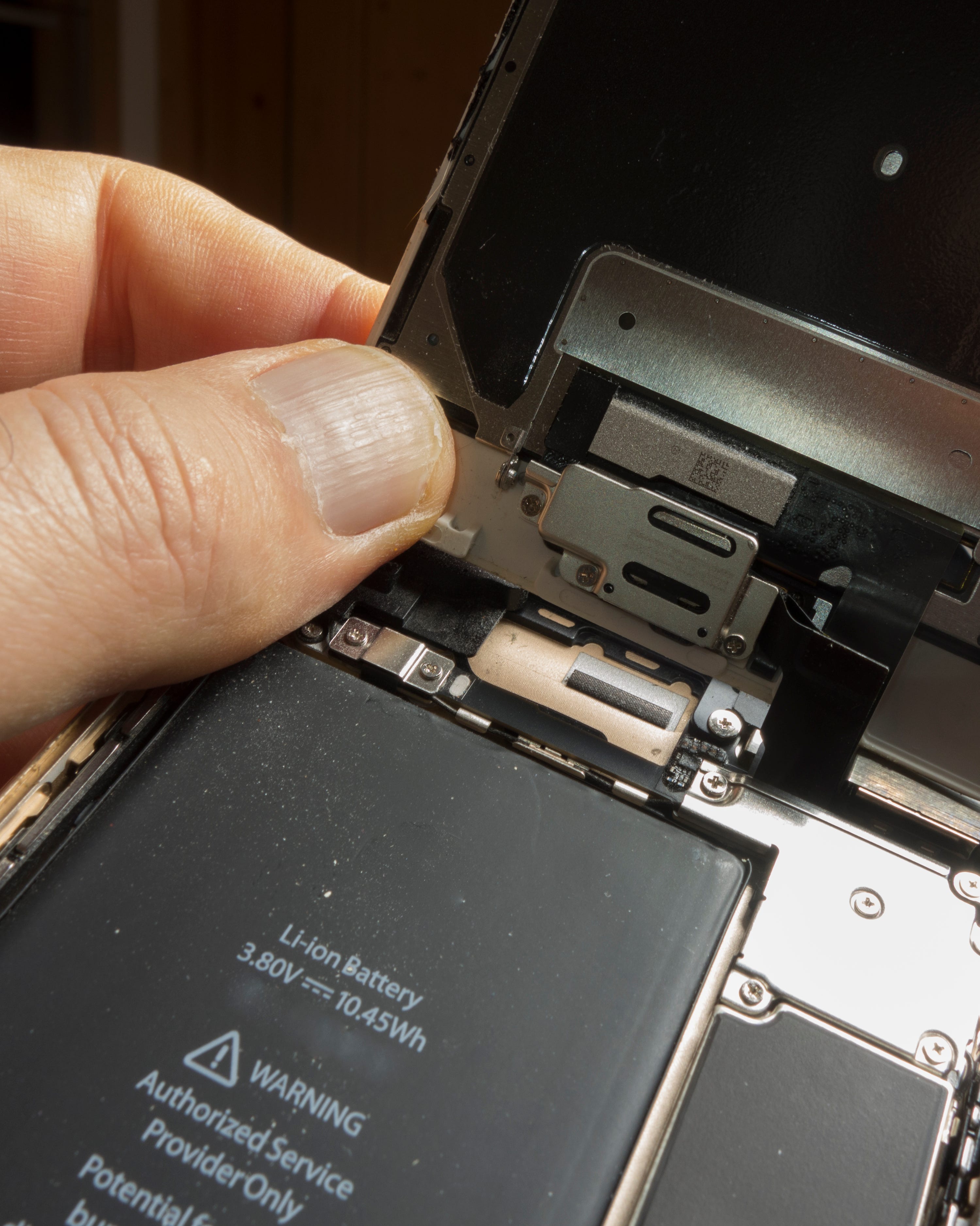
Lithium-ion batteries power much of our daily lives (laptops, phones, cars, and more), but they should never go in the garbage bin. “Not only do the toxic heavy metals put our soil and groundwater at risk, but lithium-ion batteries pose a significant risk of fire,” Dyer notes. “Fires in waste trucks and disposal sites (and even in homes) can be deadly and costly to infrastructure.” Once the juice is gone, drop them off at a hardware store or recycling center instead.
Advertisement – Continue Reading Below
3
Plastic Bags
 Paul Bradbury//Getty Images
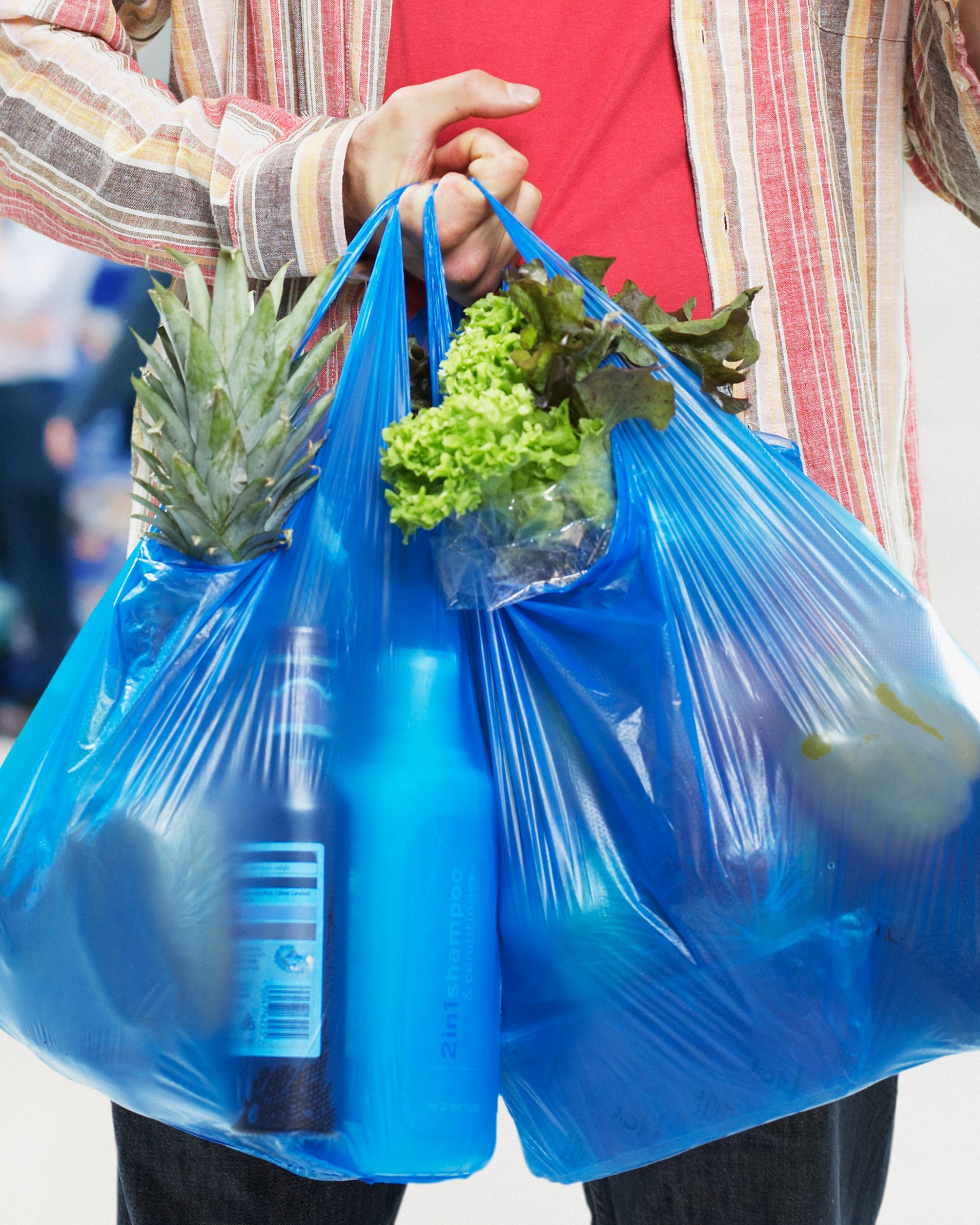
If you typically leave the store with a few plastic bags, throwing them in the trash once you put your items away is probably second nature. But plastic bags notoriously clog recycling systems and pollute waterways. A better option is reusing them as much as possible or returning them to designated drop-off bins at the grocery store.
4
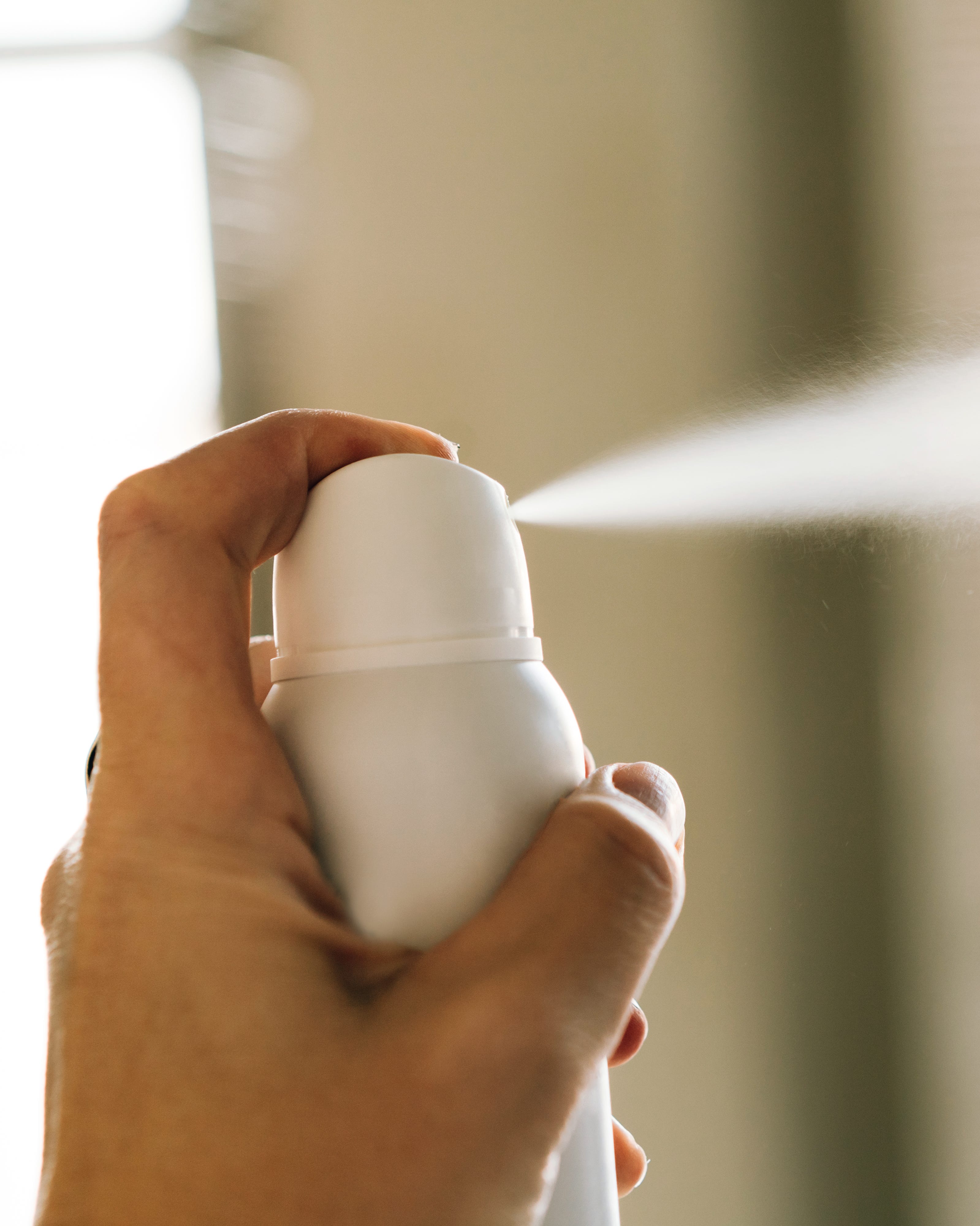
Aerosol Cans
 Fiordaliso//Getty Images
Hair spray, shaving cream, air fresheners, cooking spray—they all come in aerosol cans. While these products are easy to dispense, they’re highly flammable and filled with pressurized gases and leftover chemicals that aren’t safe in a trash can. If your aerosol cans are empty, some reclining programs will take them, but be sure to check your local guidelines first.
Advertisement – Continue Reading Below
5
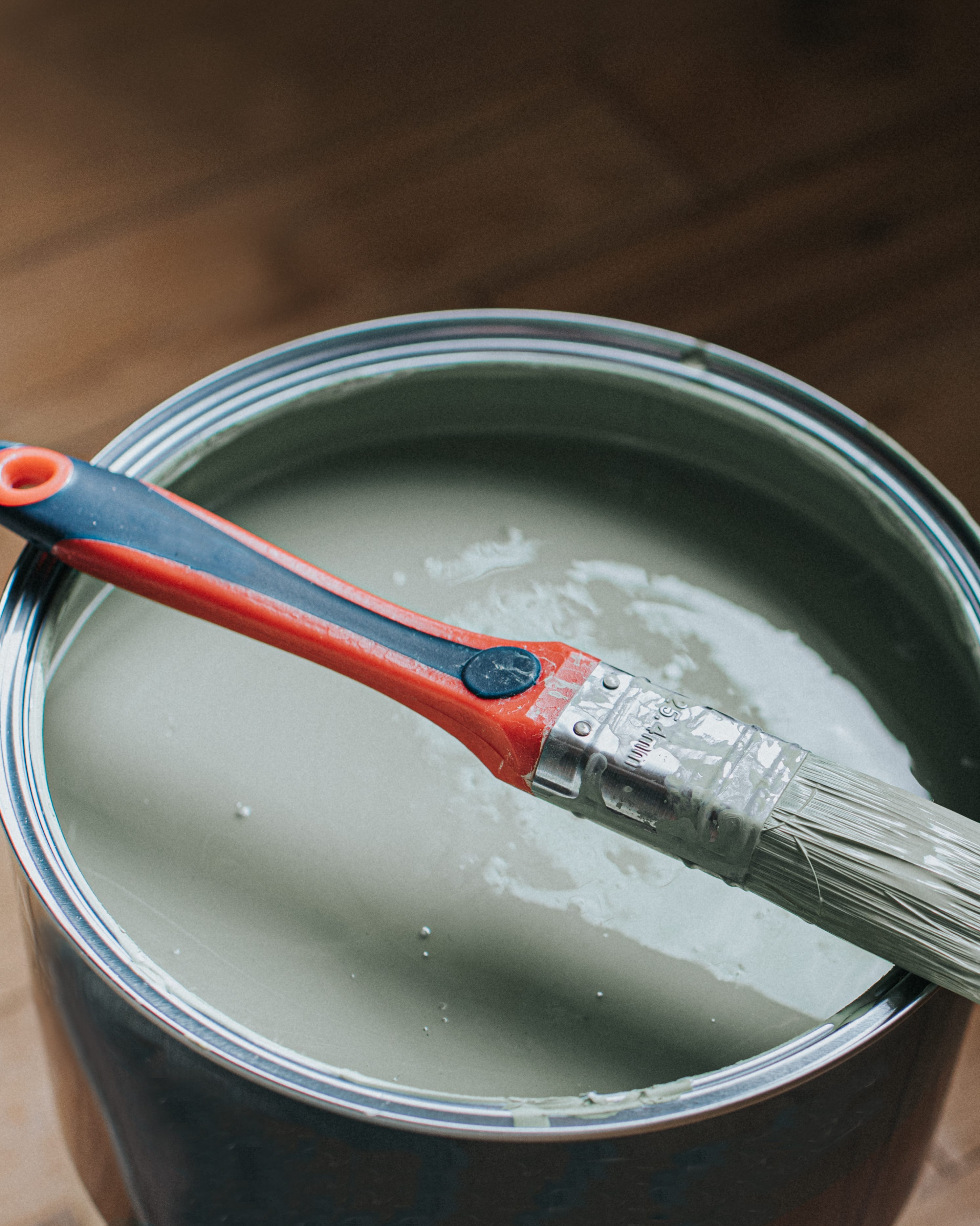
Paint Cans
 Catherine Falls Commercial//Getty Images
Big and bulky paint cans are the kinds of objects that most people stash in the back of their closet—until they take up too much valuable space and end up in the trash. While cans with fully dried paint are fine in waste bins, liquid paint can leak into soil or waterways, posing a massive health and safety hazard. Instead, consider donating usable paint, or take the cans to a hazardous waste facility.
6
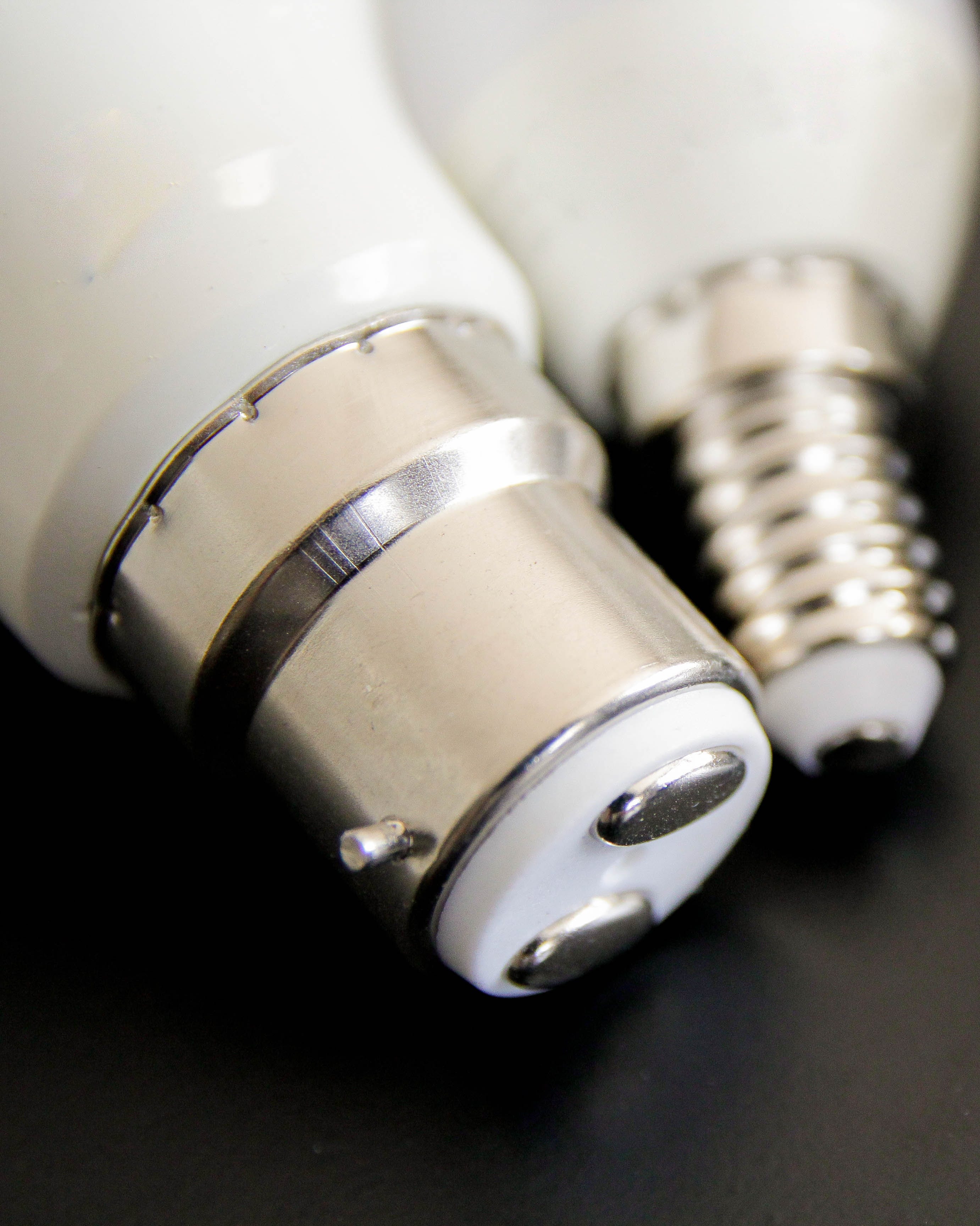
Fluorescent Light Bulbs
 Kinga Krzeminska//Getty Images
They might save energy, but florescent light bulbs contain small traces of mercury. That means, if you discard them in your household garbage bin, where they’re likely to chip or shatter, these bulbs release harmful vapors into the environment. Rather than take the risk, head to a nearby home improvement store, many of which provide recycling programs that make responsible disposal effortless.
Advertisement – Continue Reading Below
7
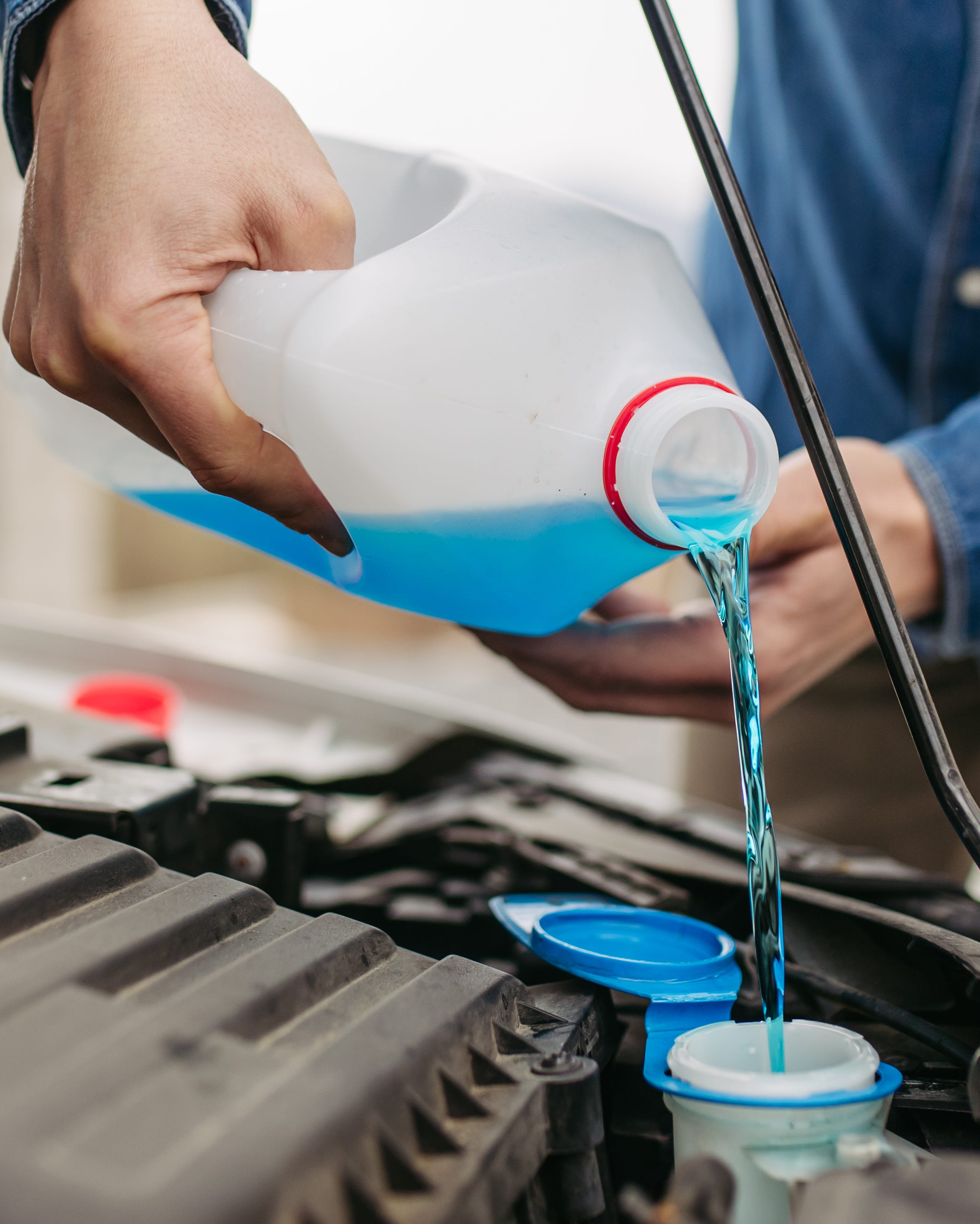
Car Fluids
 Halfpoint Images//Getty Images
When you dump motor oil, antifreeze, or other environmentally hazardous car fluid into your curbside garbage bin, these liquids can contaminate waterways. What’s more, many of these fluids are flammable, too. To dispose of them properly, take them to a specialized recycling center, service station, or household hazardous waste collection event, where someone else will handle discarding them for you.
8
Food Scraps
 SimpleImages//Getty Images
Food scraps, such as fruit peels, coffee grounds, and eggshells, should never go in the trash. When these food particles wind up in landfills, they release methane as they break down. By composting these scraps, you won’t just keep the environment healthy, but you’ll also create organic matter for your garden. “If at-home composting isn’t an option, many communities now offer drop-off sites, and there’s increased access to curbside composting programs through your municipality or private compost haulers,” Welliver notes.

Lilly Blomquist is the associate editor at The Pioneer Woman, where she writes lifestyle stories across a wide range of topics—including news, entertainment, holidays, food, and more.
Advertisement – Continue Reading Below
Readers Also Read
Advertisement – Continue Reading Below
Advertisement – Continue Reading Below