
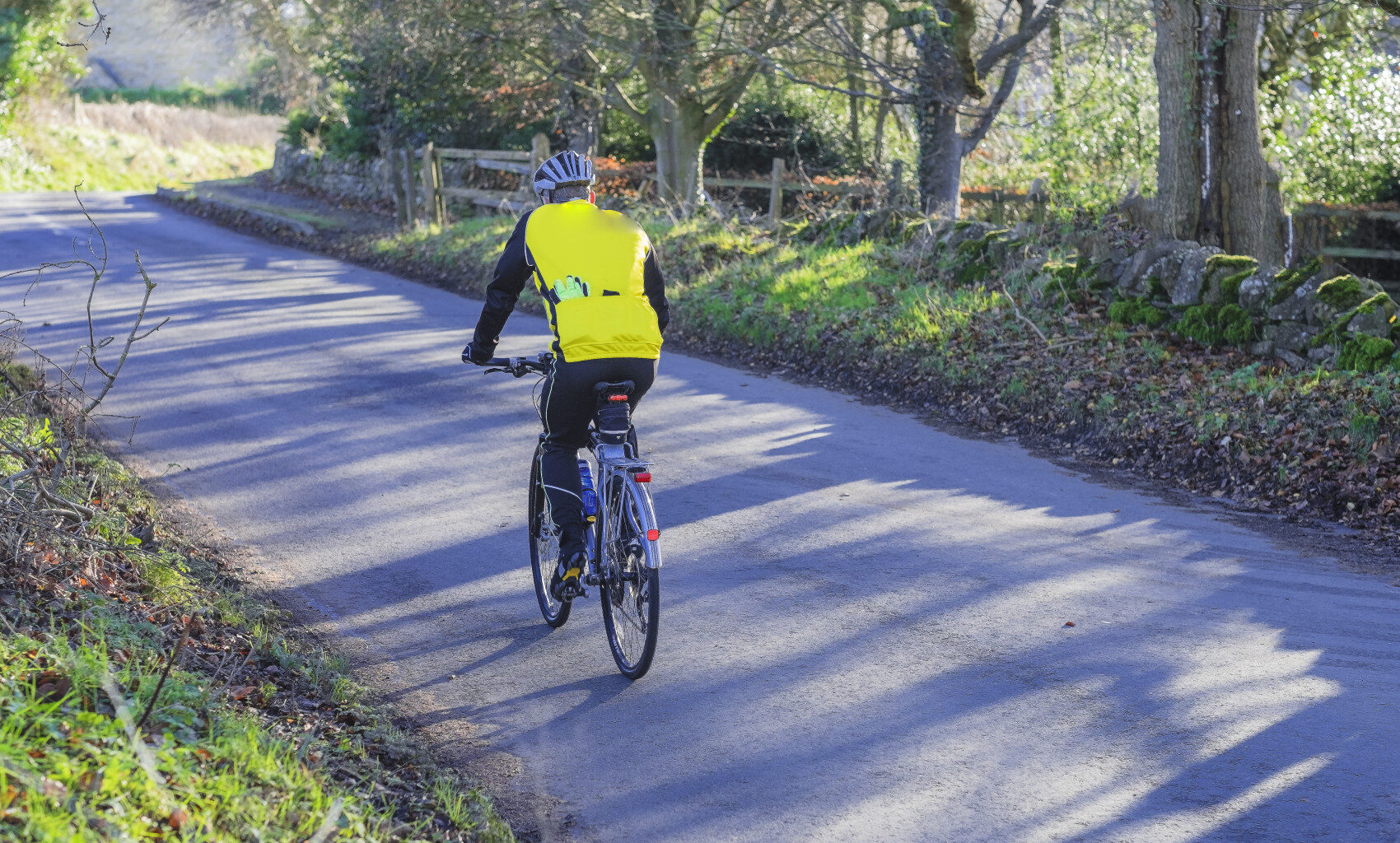
New quiet lanes will be introduced across Oxfordshire, where there is local support, under a pilot scheme approved today (19 May) by Oxfordshire County Council’s cabinet.
Quiet lanes are designated roads where motor traffic is restricted to make it safer for people to walk, wheel, cycle, wheel and horse ride. By removing through traffic, quiet lanes can reduce vehicle numbers and speeds, lower the risk and severity of collisions, and make minor roads feel calmer and safer. Access is maintained for residents, farmers, businesses and emergency services.
Several quiet lanes already exist in Oxfordshire, and the new approach in Oxfordshire is an enhancement to existing Department for Transport policy, going beyond traditional signage-based lanes to achieve the safest outcomes.
New lanes will only be introduced where there is strong local support for the measure and a suitable alternative route for motor traffic.
Councillor Rebekah Fletcher, Cabinet Member for Transport Management, said: “Quiet lanes are about making sure local roads work for the communities that live there, not as cut-throughs for traffic they were never designed to carry.
“This new approach will help us to prioritise walking, wheeling, cycling and horse riding, and give us a clear and consistent way to provide quiet lanes where there is strong local support. We will use evidence to make sure schemes are safe, effective and sensitive to their surroundings. By piloting schemes first, we can get them right before any permanent decisions are made.
“I look forward to working with parish and town councils and local councillors on this locally led and innovative programme.”
Oxfordshire’s new quiet lanes will prioritise physical measures supported by reduced speed limits, typically to 20mph.
All new schemes in the pilot will include:
• physical measures to prohibit through traffic, such as gates and bollards
• quiet lane signage
• speed limit changes.
Overall journey times for drivers are usually only slightly affected because suitable alternative routes must be available.
The council will now work with parish and town councils and local councillors to identify and pilot new sites.
Each scheme will be subject to statutory consultation, which will allow measures to be tested in practice, evidence to be collected and designs refined before any permanent decisions are made.
ENDS
Notes to editors
• The term “quiet lane” is often used to describe a road where signage alone indicates suitability for walking, wheeling and cycling. However, evidence shows that sign only approaches do not reliably reduce traffic volumes or speeds. For more information visit https://www.trl.co.uk/publications/ppr002
• Quiet lanes also connect bridleways with public rights of way, benefitting horse riders.
• All newly proposed quiet lanes schemes will be assessed using a standard countywide framework considering safety, traffic levels, availability of alternative routes, environmental benefits and community support.
• Pilot schemes will be delivered using experimental traffic regulation orders (ETROs) and will be subject to statutory consultation.
• The quiet lanes programme is funded through a county council capital allocation.
• The council will invite parish and town councils and local county councillors to express an interest in the scheme and identify any suitable local routes.
Sign up to hear from us and receive the latest news and updates in our fortnightly newsletter, Your Oxfordshire.
‘;