
New biomarkers, existing drugs and decades of centenarian research are bringing the dream of making aging a modifiable process closer.
Picture two people celebrating their 80th birthday. One spends most of their week shuttling between medical appointments, managing diabetes, heart disease and declining mobility. The other is planning a trip, meeting friends for dinner and still arguing passionately about politics at family gatherings. Both are the same age, yet anyone looking at them would recognize that they are aging differently.
That simple observation reflects one of the most ambitious ideas in modern medicine: what if we stopped treating age-related diseases one by one and instead targeted the biological process that drives them all?
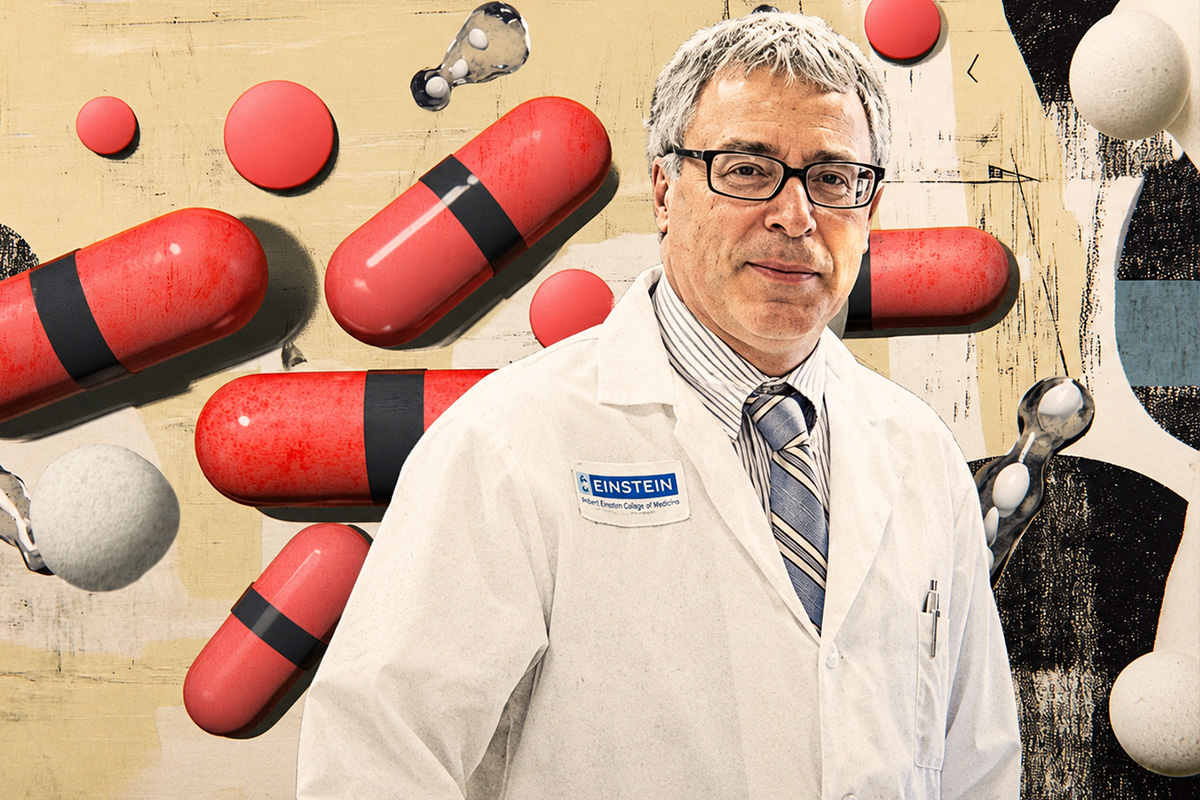
In the latest episode of Longevity.Technology UNLOCKED, Dr Nir Barzilai, one of the architects of the geroscience movement, argues that this shift may be closer than many people realize.
“If aging drives those diseases, the geroscience hypothesis is that you should intervene before those diseases, that you spend the time on being healthy rather than spend a time targeting your diseases,” he said.
Rather than waiting for Alzheimer’s, diabetes, cardiovascular disease or frailty to emerge and then fighting each battle separately, geroscience asks whether aging itself can be modified upstream. The concept has moved to serious discussion among researchers, investors, regulators and healthcare systems. Barzilai should know since he has watched the field grow from its earliest days.
“We started the field. We were like cowboys in the Wild West,” he recalls. “Everybody’s doing something, and we were so successful… that we’re actually about to succeed in our great vision.”
Much of Barzilai’s confidence comes from decades spent studying centenarians and their families. For him, people who reach 100 are not simply statistical outliers; they are proof that humans already possess the biological potential to remain healthier for longer.
“Thirty percent of my centenarians don’t have any disease or treatment,” he says. “They just don’t wake up one day.”
The more important lesson is how they live longer. Researchers have repeatedly found that many centenarians delay disease for years or even decades compared to the general population. Rather than accumulating chronic illnesses throughout later life, they experience what scientists call a “compression of morbidity,” a shorter period of illness before death.
Modern healthcare has become remarkably good at keeping people alive, but it has been less successful at keeping people healthy while they are alive. Geroscience aims to close that gap. Barzilai points to evidence showing that people who live beyond 100 often generate significantly lower medical costs in their final years than people who die decades earlier. Healthy longevity, he argues, is not simply a personal benefit; it is an economic one.
“We need to take the elderly and make them healthier,” he said. “And when we’re making them healthier, they don’t – the side effect is they live longer.”
One reason geroscience has gained momentum is that researchers are discovering aging-related benefits in medicines that were never designed for aging in the first place. Metformin was developed for diabetes. SGLT2 inhibitors were created to lower blood sugar. GLP-1 drugs became famous for weight loss. Yet many of these medications appear to influence multiple age-related conditions simultaneously.
Barzilai explains that a true gerotherapeutic is different from a drug that treats a single disease. Statins, for example, are highly effective at reducing cardiovascular risk, but they do not appear to broadly alter the biological hallmarks of aging. By contrast, some diabetes medications have shown unexpected benefits across cardiovascular disease, kidney disease, cognition, hospitalization risk and overall mortality.
For geroscientists, that pattern is hard to ignore. The implication is not that everyone should immediately begin taking longevity drugs. In fact, Barzilai repeatedly emphasizes caution and physician supervision.
“I don’t want to tell people not to try things,” he explained. “I just need people to know that they should do it with some knowledge, some data and some supervision.”
That caution extends to age itself. What helps an older body may not help a younger one.
“Not everything that’s good for you when you’re old is good for you when you’re young,” Barzilai notes, pointing to research showing that biological pathways can have dramatically different effects across the lifespan.
Perhaps the biggest challenge facing longevity medicine today is mundane. How do you know whether a longevity intervention is actually working? Most medicines produce an obvious result: blood pressure falls, blood sugar improves, symptoms disappear. Aging is different.
“You give a drug, let’s say the drug totally stops your aging,” Barzilai says. “You don’t know that because you feel the same.”
This is why the search for reliable biomarkers of biological age has become one of the field’s most important projects. Researchers are increasingly focused on developing measurable indicators that can reveal whether a therapy is slowing biological aging long before decades pass.
If successful, these biomarkers could do for aging what cholesterol tests did for cardiovascular disease: transform an invisible process into something doctors can track and patients can understand.
For decades, medicine has largely been organized around diseases. We have cancer clinics, diabetes clinics, heart clinics and memory clinics. Geroscience proposes something more radical: a healthcare system built around preserving function before disease appears.
Now, let’s return to those two 80-year-olds. The future of longevity science may be measured by how many of those birthdays are still filled with travel plans, conversations, independence and possibility. The ultimate promise of targeting aging is giving more life to the years we already have.
Join the researchers, entrepreneurs and innovators leading the charge on Longevity.Technology UNLOCKED. New episodes every Monday, with a Friday roundup covering the week’s most important developments. Available on Apple Podcasts, Spotify or YouTube.