

The health expert shared a side effect alert to patients taking ramipril and amlodipine
Charlotte Smith Senior Lifestyle Content Editor
10:33, 06 Aug 2026Updated 20:49, 06 Aug 2026

Dr Amir Khan uploaded a video on Instagram about the health warning(Image: ITV)
Millions of people in the UK currently taking medication for high blood pressure have been warned of certain side effects following an alert from Dr Amir Khan. The advice specifically targets those prescribed ramipril and amlodipine, two of the most frequently used drugs to manage hypertension and cardiovascular health.
While these medications are essential for many, the NHS GP and ITV doctor highlighted specific side effects that patients should not ignore. Dr Khan recently issued a social media alert for those taking hypertension medication, specifically targeting users of ramipril and amlodipine.
Uploading a video taken from his appearance on ITV’s Lorraine, he told his followers: “If you’re on blood pressure tablets: watch this”. While acknowledging that blood pressure medication is a vital, life-saving drug, he noted that common side effects often lead patients to either endure discomfort or stop their treatment entirely without medical guidance.
He added: “Common blood pressure tablets like ramipril and amlodipine do have side effects, which either mean people suffer in silence or stop taking them altogether.” He emphasised that patients should not simply give up on treatment, as numerous other pharmaceutical options exist.
“Please discuss with your local pharmacist or GP, who can help,” Dr Khan advised. He identified ramipril and amlodipine as the most frequently prescribed blood pressure tablets.
Content cannot be displayed without consent
In the UK, around seven to nine million people are on medications to lower their blood pressure, according to the British Heart Foundation. Although it’s estimated that 14 to 15 million adults have high blood pressure, many cases go undiagnosed or are only managed by making lifestyle changes.
Regarding ramipril, the doctor explained that it functions by altering kidney enzymes to reduce blood pressure. A byproduct of this process is the release of bradykinin, a substance that can cause airway irritation and lead to a persistent dry cough.
Dr Khan pointed out that many patients undergo unnecessary chest X-rays or antibiotic courses when the real culprit is their ramipril prescription. “Lots of people get put on antibiotics and get sent for chest X-rays, and nothing gets found,” Dr Khan explained.
“It’s the ramipril. There are lots of alternatives.” He reassured his audience that switching to a different medication after speaking to a GP is a simple solution.
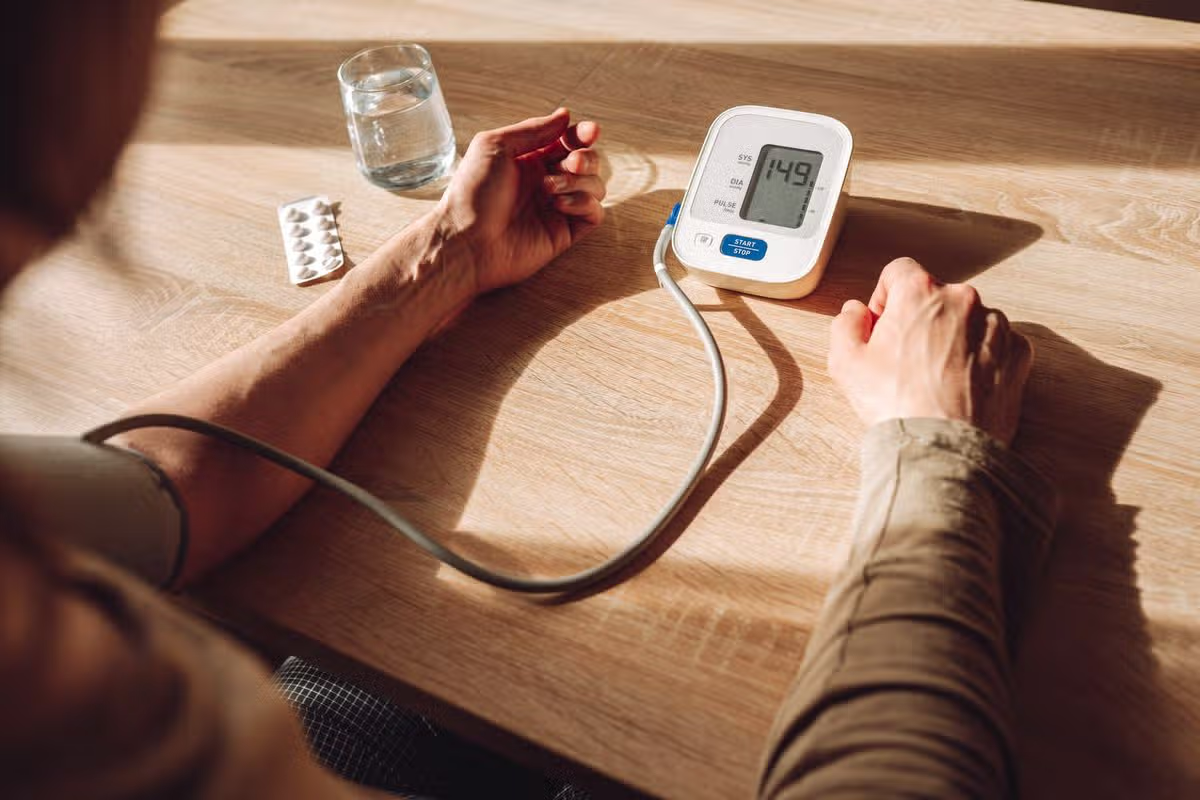
Dr Khan says many people with the side effects may not realise it is the medication causing them (stock image)
Switching focus to amlodipine, he described how the drug works by dilating blood vessels. This mechanism can sometimes cause fluid to leak into the lower extremities, resulting in noticeably swollen ankles.
This particular side effect is quite prevalent, affecting approximately 20% of users. Dr Khan concluded by urging anyone experiencing these specific symptoms – swollen ankles or a dry cough – to consult their physician rather than suffering in silence, as effective alternatives are readily available.
Patients are advised not to stop taking their prescribed medication without first consulting a healthcare professional. However, anyone experiencing unexpected symptoms or struggling to fulfil their prescriptions due to ongoing shortages should contact their GP or local pharmacist immediately.
This medical guidance follows a wider alert regarding high blood pressure treatments and recent disruptions in the supply chain. The UK Department of Health and Social Care (DHSC) has decided to extend the Serious Shortage Protocol (SSP087) for ramipril 1.25mg capsules until October 30, 2026, due to ongoing supply challenges.
To manage the limited stock, pharmacists can limit prescriptions to a one-month supply. Pharmacists may do this even if your prescription indicates a longer supply.
The shortage mainly affects the 1.25mg capsules. Other forms and strengths, such as tablets or oral solutions, might be available, but they can’t meet the total demand for replacements. A different Class 2 recall affected a specific batch of 10mg capsules earlier due to packaging errors, further complicating logistics.