
 13 min readIn October, Bazaar is celebrating our obsessions—how they delight us, connect us, and keep us going. Tune in each day for a new story, or go here to read them all.
Last November, a handful of my favorite in-the-know bookish content creators began posting about an upcoming show called Heated Rivalry. I’d heard great things about author Rachel Reid’s Game Changers hockey romance series, which the show is based on, so my curiosity was piqued. I devoured the book (on my phone!), then wondered how anyone could faithfully adapt this spicy, sex-forward, queer Canadian hockey romance. On paper, it sounds impossible.
But not in the hands of Jacob Tierney, the award-winning screenwriter, director, and creator of Letterkenny and Shoresy. On November 19, HBO announced it had moved quickly to buy the U.S. distribution rights from Crave, just two weeks before the show’s November 28 premiere.
On December 2, my first day back in the Bazaar offices after Thanksgiving break, I dropped my bag at my desk, put on my invisible Paul Revere hat, and shouted across the open floor plan: “Guys! Has anyone watched Heated Rivalry? Because you need to.”
At the time, nobody had—yet. You know the rest. The show detonated online in early December like a nuclear bomb, fueled by the global fangirl community and the speedy work of TikTok editors. By Christmas, the show’s stars, Hudson Williams and Connor Storrie, were A-list celebrities. And creator, director, and screenwriter Jacob Tierney, with his brilliant script and teeny budget, became Hollywood’s biggest success story. When so many other romance book adaptations get it all wrong, how did he do it? How did he make a queer hockey romance into a global obsession?
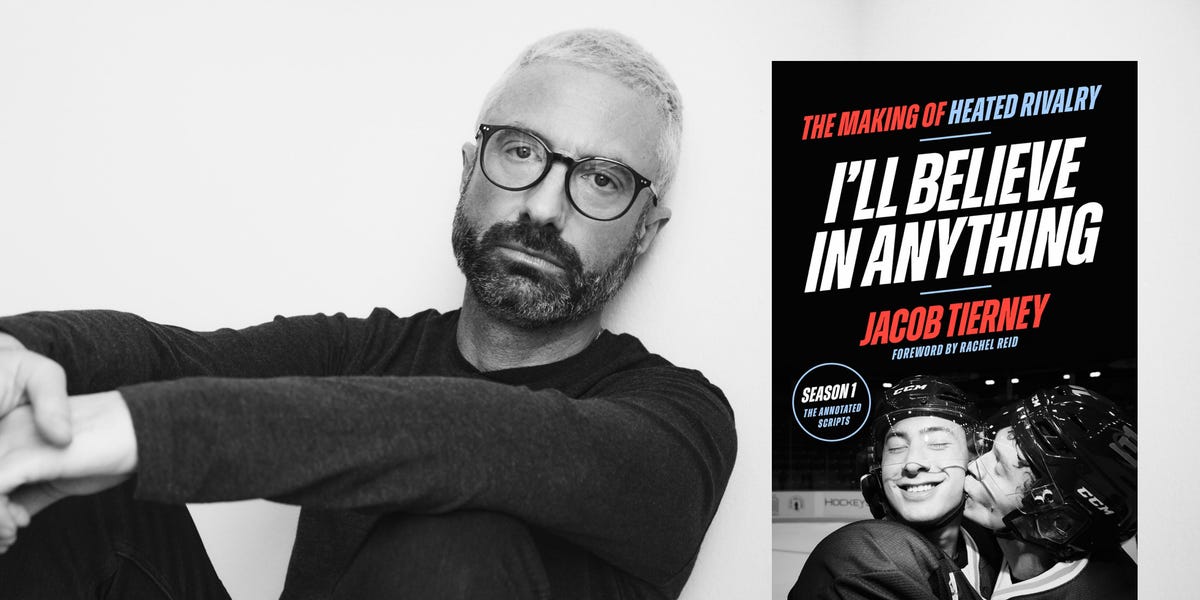
A new book offers some answers. Nearly a year after the show’s debut, Tierney is publishing his first book with Little, Brown: I’ll Believe in Anything, a collection of annotated scripts from season one of Heated Rivalry. Inside, fans will find a delightful opening essay by Reid herself, an introduction to the scripts by Tierney, and dozens of fascinating production secrets and trivia bits scribbled in the margins like an episode of Pop-Up Video.
Ahead of the book’s release, I sat down with Tierney to chat about his creative process, season-one production secrets, and how to make a romance book adaptation that changes the game.
Sabrina Lantos
Let’s start with how I’ll Believe in Anything came to be. Whose idea was it? How did it all come together? There aren’t many annotated script books out there.
It was the lovely people at Little, Brown who approached us about doing this. It was just such a cool opportunity. Of all the things I didn’t expect to happen, my scripts getting published was near the top of the list.
Was it fun for you to go back and read them all?
No, it was not fun. It was a lot of work to go back and jog my memory and go through it, make notes, and to make something that I thought people would appreciate. I’m not the kind of person who has a lot of fun reviewing their own work. I don’t tend to do that. So I haven’t seen the show since the days that it aired. I haven’t rewatched it. By the time it’s done, there is a part of me that’s like, “Go away.”
Jacob Tierney/ Little Brown
Let’s pivot to the actual Game Changers books. You wrote that you listened to them on audio during the pandemic. Do you think being exposed to them in audiobook format, rather than written text, affected your ability to see it as a show or visualize it as another form of media?
I don’t know. That’s a great question. What I remember was more the feeling of being surprised by the genre. As I’ve said before, this was definitely in the first five romance books I read or listened to, and what I remember so acutely is being like, “These are naughty.” I have a dog, so I’d be walking my dog and think, “No one knows that I’m listening to a very elaborate description of a blowjob.” With Rachel’s books especially, it was how fun they are, how funny they are, how alive they feel, which isn’t obvious in the genre.
When I read a book, my brain starts going into images right away, storytelling in the language I know, which is often a very fast road to realizing I don’t want to adapt, right? When I first explored it, I didn’t know if this genre was adaptable because it’s so spice-forward that I was like, “I wonder what one even does with this.” Because what I’m picturing, you cannot put on the TV.
HBO
I imagine you then went back and read them as you were writing.
I read them because I had to, and at a certain point, I wanted to hear my own voice instead of, you know, a narrator’s voice—and that’s very, very different. There’s another property I’ll be adapting soon that is also available on audio, and I read that book multiple times. Then I was like, “Oh, I’m going to listen to it because I’ve never listened to it.” And 14 seconds, and I was like, “No, no, I can’t hear this. I can’t hear this!” Like one character, I was just like, “She doesn’t sound like that!” It’s too ingrained in my brain. That’s just wrong. It really does depend, but with the first exposure, there’s so much newness to it that it didn’t kind of seep in the same way.
You write in I’ll Believe in Anything that you love horror movies and true crime. And I’ve heard authors say writing fight scenes can feel the same as writing sex scenes. There’s a physicality and choreography. So, what do horror movies share with the romance genre, in your opinion?
Well, what all genres share are tropes, right? What all genres have in common is that certain things have to happen. Like in a romance, they’re gonna have a confusion at some point, a breakup, a mock breakup, or a real one, or whatever. It’s going to go through certain paces, and so it’s about what you do with that audience expectation, how you choose to deal with it both structurally and emotionally, which I think kind of determines how people react to the work that you do.
With romance and horror, it’s about you as a person telling a story, being aware of the tropes and aware of the expectations, and then you can decide if you would like to dive into it, if you would like to fuck with it, if you would like to delay it—whatever you’d like to do with it.
Beyond that, in terms of movie language, horror movies have an amazing visual language, usually paired with humor, which I love. Because what genre understands that maybe traditional drama doesn’t is that humor should be everywhere. You can have fun with your camera, you can make jokes with your structure. You have an audience that is sophisticated enough to understand the difference.
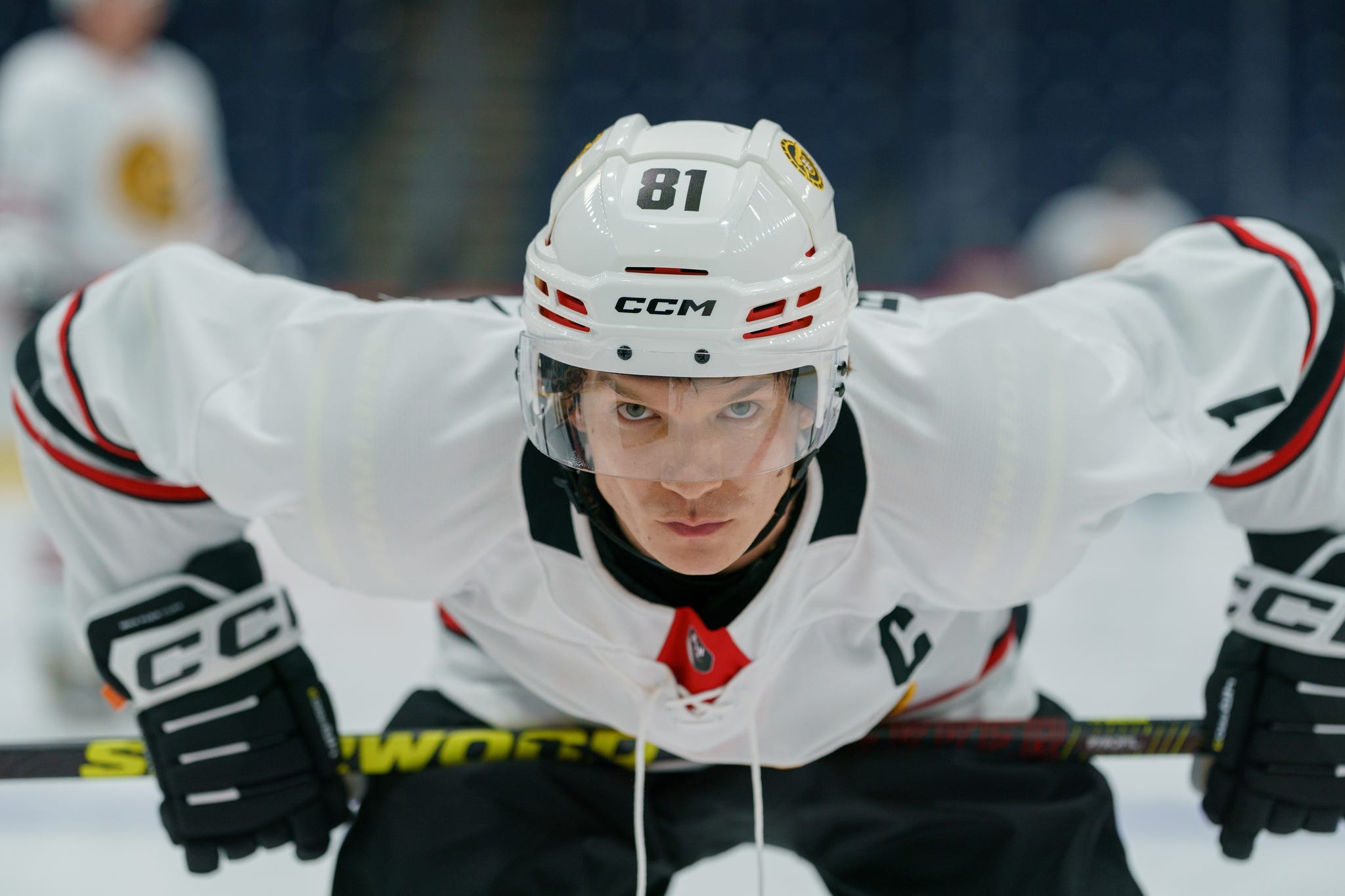
Sabrina Lantos
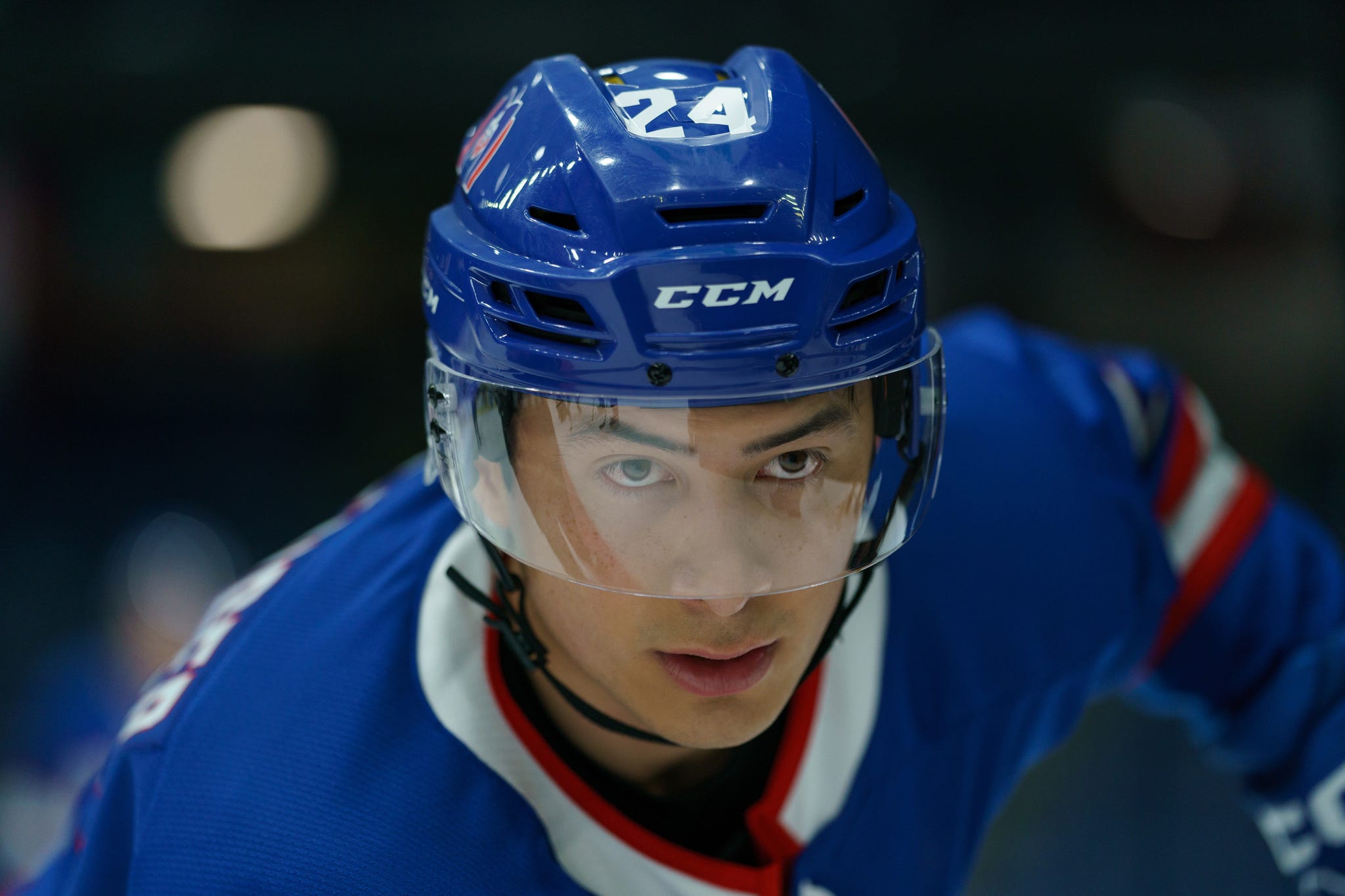
Sabrina Lantos
One thing that stuck out to me as I was reading this was how many changes, big and small, you had to make because of budget, time, and pacing constraints. I imagine that isn’t unusual in any project. Most fans would say the show is perfect as is, but is there anything you still wish you could have done differently?
I wish that Sophie [Nélisse] had introduced François [Arnaud] in episode six of the award show. I wish things like that had happened. That said, it’s a good reminder that if something that small can kill your show, your show wasn’t alive in the first place, right? So it’s fine. You can survive almost anything. And I do think that some of the mistakes make the show better.
Working in magazines, where budgets are famously not what they used to be, we always say that creativity thrives in a box. Do you feel like these constraints pushed you creatively and helped you make better judgment calls? You can’t endlessly tinker with something when you have to move on.
I’m not a tinkerer in the first place, but I think what it does do is it forces you to spend a moment being like, “Okay, I can’t have 5,000 people in this crowd. What do I want out of this moment? Like, what actually matters? What resonates? What is this scene about? What does this moment want from itself?” Listen, there are times when it’s genuinely limiting.
Like in life, if you view every obstacle as a failure, you’re fucked. And if you view an obstacle as a chance to do something different or rethink something, you’re gonna do better in almost every capacity of your life, right? This isn’t rocket science. If you found the perfect house for Ilya, and the guy’s like, “You can’t shoot here.” It’s like, well, what am I gonna do? Not make the show? No, I find another house!
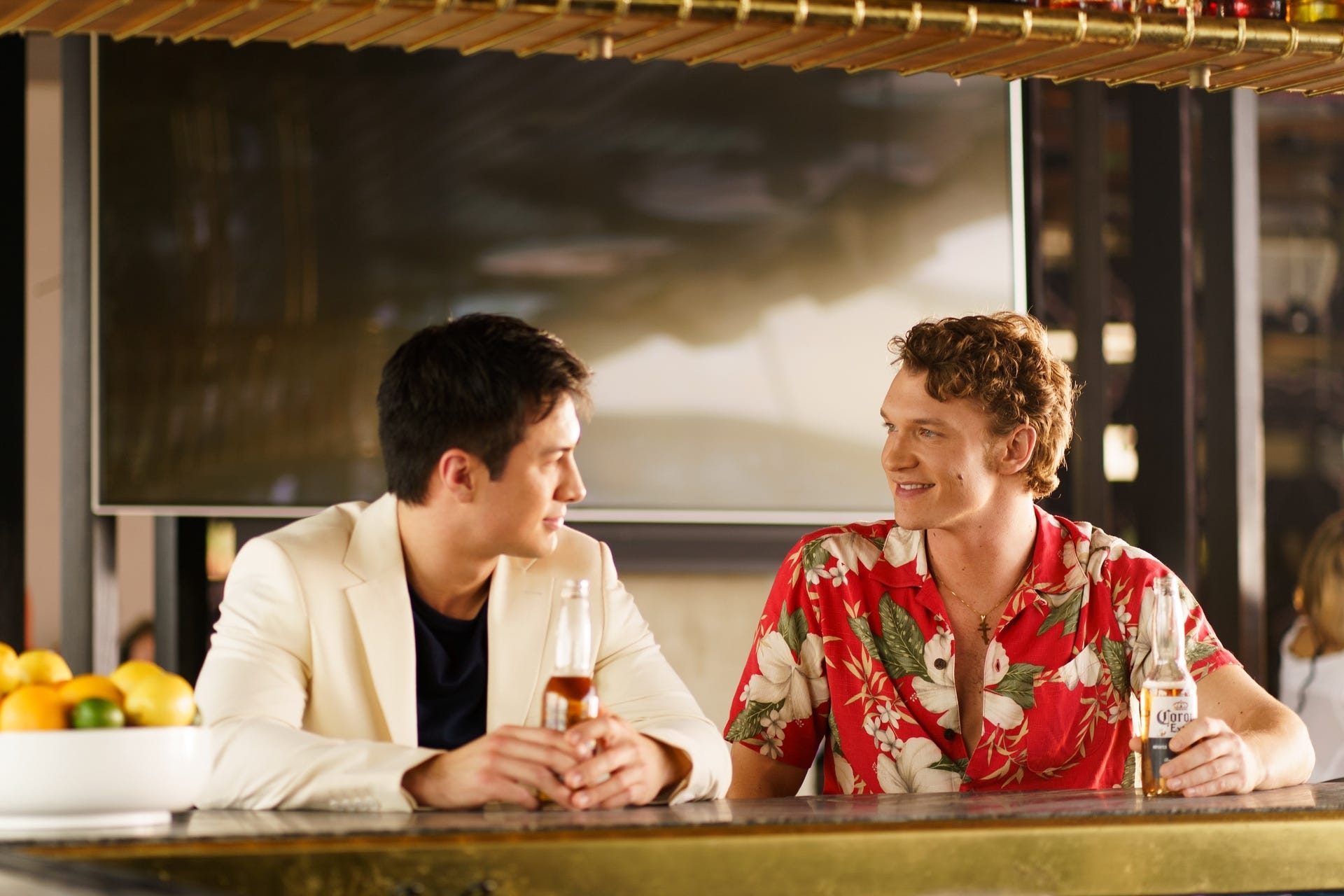
Sabrina Lantos
You write a lot about Heated Rivalry being about memory and the “speed of memory.” Can you walk me through how that became such an important guiding light for you when conceptualizing the show?
The great thing with TV is you have to explain yourself so much to people, and so they were like, “Why does the time change so much in episodes one and two? Then it seems to slow down a bit halfway through episode four. So why? And why are we choosing to use the moments that we’re using? And why did Rachel do that in her book?” And what I would explain to people: I think what she’s doing is that they’re only remembering the moments they were together. That doesn’t mean they didn’t live outside those moments. Of course they did. It’s just that who cares? That’s not what this is about. We are architecting a love story here. So what they remember is the first time they met, then the next time, then the next.
What’s interesting about their romance is that it happens over years and years and years. When you see somebody so little, it’s so impactful when you do. So what do they remember about that party? They remember staring at the other person across the room and hoping they were gonna text them. What you can remember is that hot boy across the room being like, “Is he gonna talk to me? Is he gonna look at me? Should I look at him?” That’s what matters, and that’s part of the yearn and part of the beauty of it. That’s what interested me about the pace of memories: you wake up, and you’re like, “Right, and then the next time I saw him was spring, and I know that because we were in the playoffs and blah blah blah.” It was a way to create a timeline for the story that let me move through it emotionally, the way I think we do through memory rather than logic.
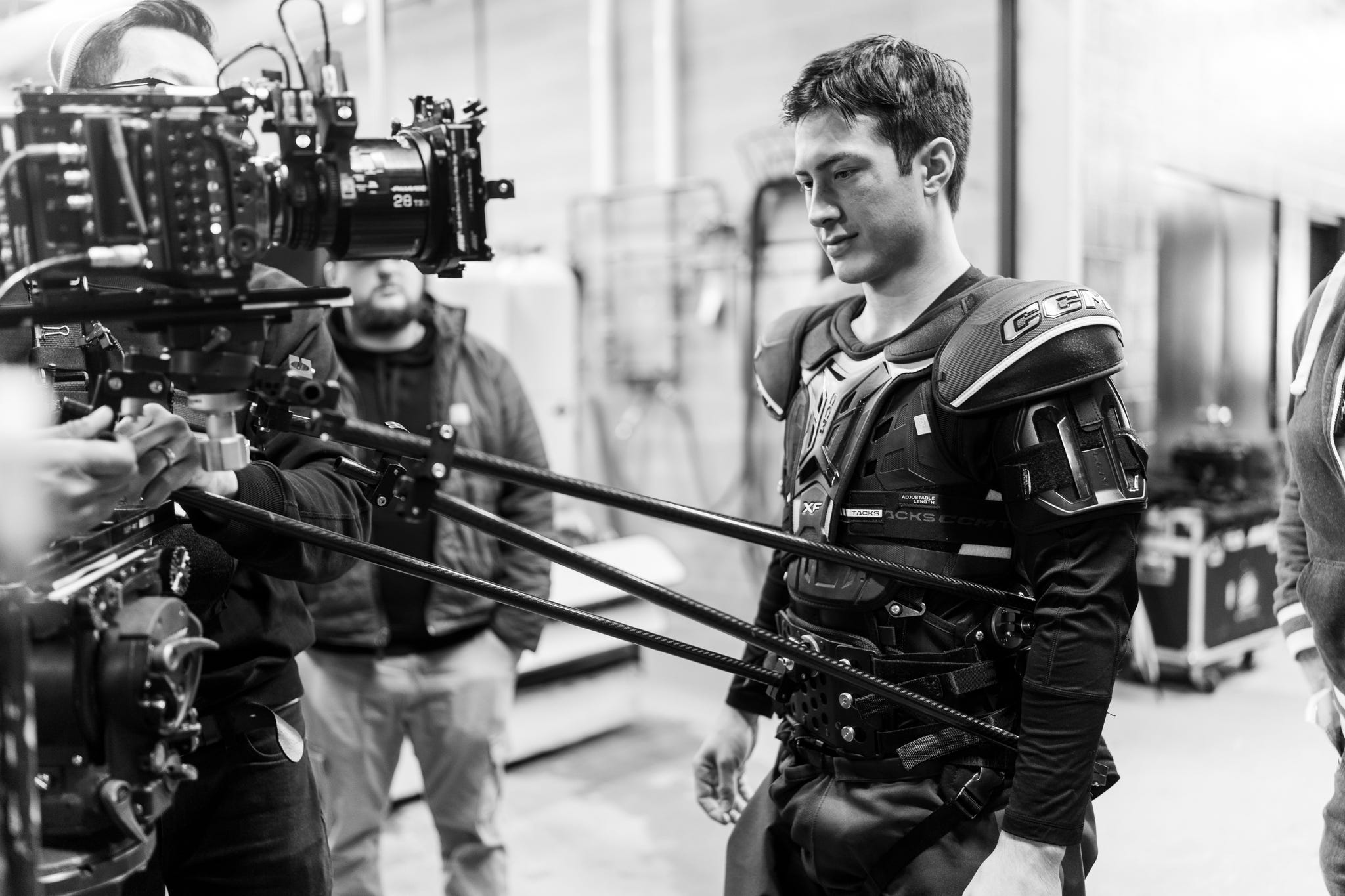
Sabrina Lantos
Two quick questions. First: what’s your favorite rom-com of all time? You wrote that episode three felt like a rom-com.
A Fish Called Wanda.
I don’t think I’ve seen it!
John Cleese. Jamie Lee Curtis. Kevin Kline wins an Oscar for Best Supporting Actor. Michael Palin. One of the best comedies of all time. It is ultimately a love story between Jamie Lee Curtis and John Cleese. Great, great movie, genuinely great.
In the book, you say, “My Moon, My Man” is a great montage song. Do you have a favorite movie montage of all time?
Wow, I should have prepared for this one. I don’t know. All I can think about right now is superhero-training montages. I’ll tell you what I don’t like: watching people learn karate. I don’t care. Just know it! I don’t care! What am I, a doctor of karate? Yeah, you’re good at karate. I believe you. Go be Batman.
You know what you don’t like, and that’s important too. So we’re a fashion magazine; I’m always going to loop back to fashion. You write that you don’t “understand” clothes—I don’t think that’s true. But then you also talk a lot about loving men in tuxedos. What do you mean when you say you don’t understand clothes?
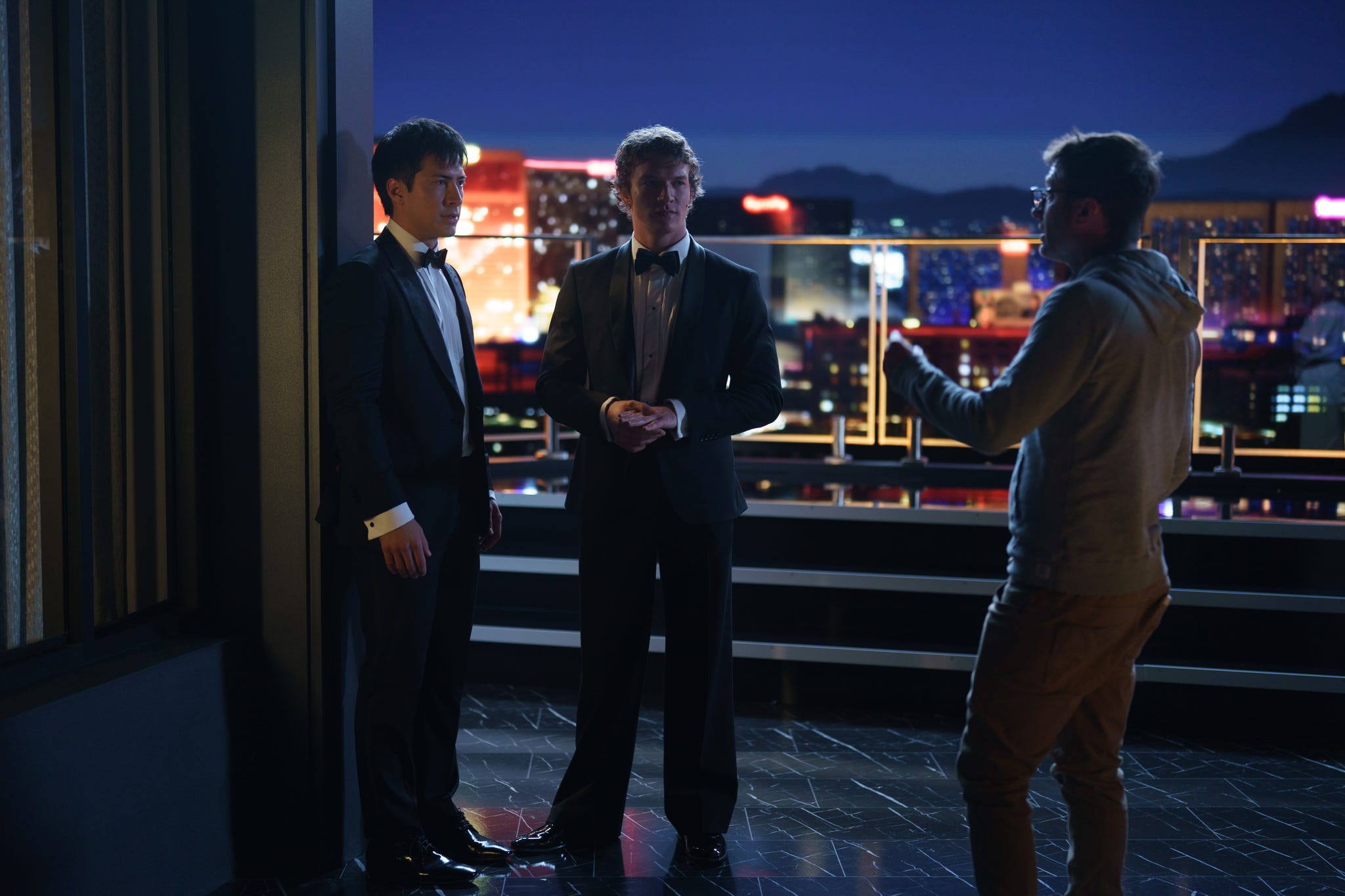
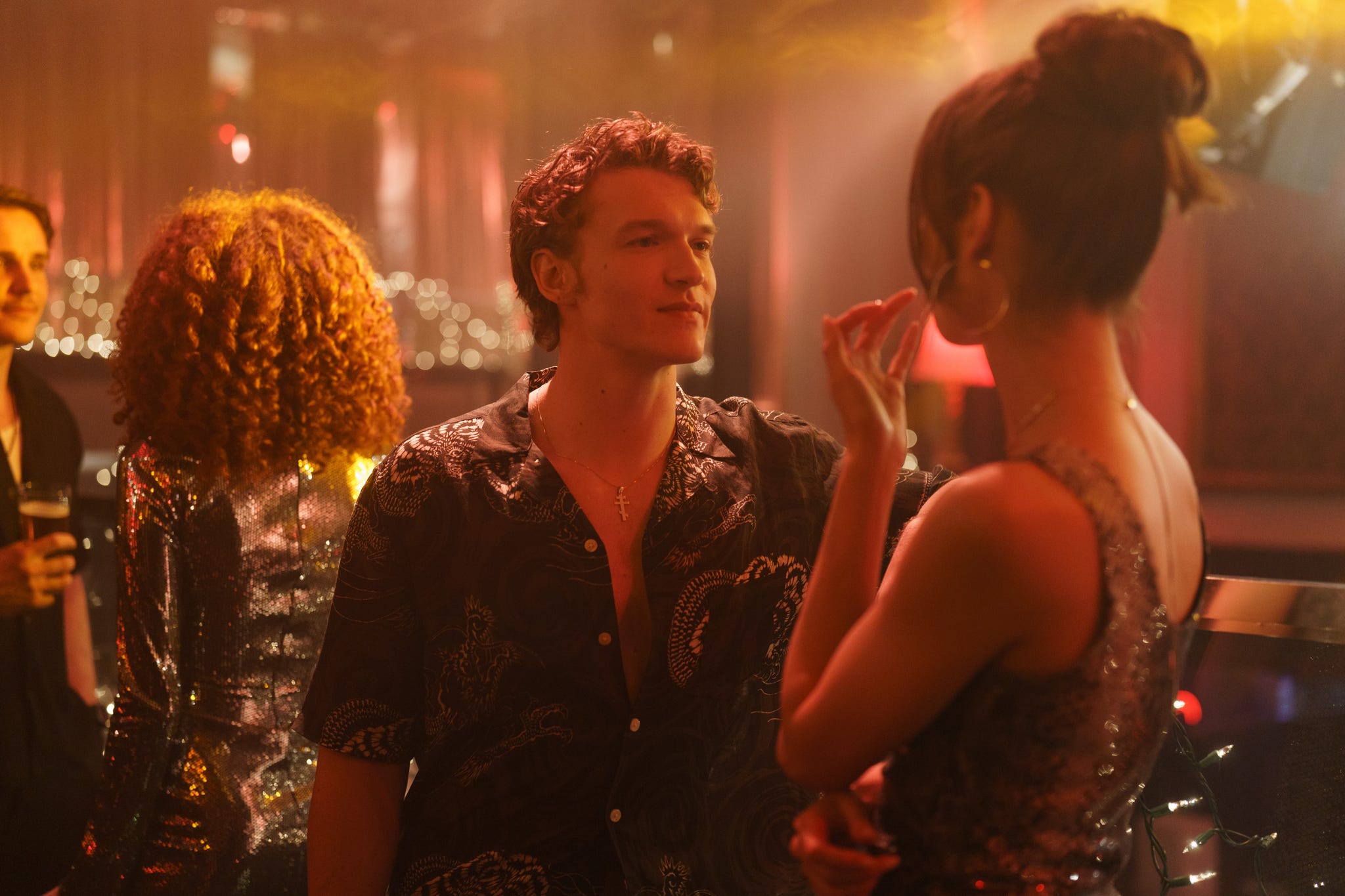
I just think there are things that I’m like, this is beyond my pay grade—fashion stuff. People talk about that tiger shirt. I hated that thing, and I know that it’s Gaultier. They were like, “It costs the amount of a car,” and I was like, “Okay. I think it’s still a stupid tiger shirt.” But what I love is how much Connor loves it, and how confident he feels in it, and how much Hanna [Puley, costume designer] loved it. And I was like, “Great, then wear it!” I don’t feel the need to be the backstop to every decision. All I want is a certain number of handsome men in tuxedos per episode because I think they look great, and ideally I’d like the tuxedo tie undone because I think that looks even better.
Sabrina Lantos
I was gonna say: you have that note specifically in the script! So you do get the power of clothes.
Let there be no doubt: Untie that tie.
Something that became clear to me while reading was how many people made this show a hit. When you move so quickly with an adaptation like this, how do you make sure the entire cast and crew are on the same page with your vision?
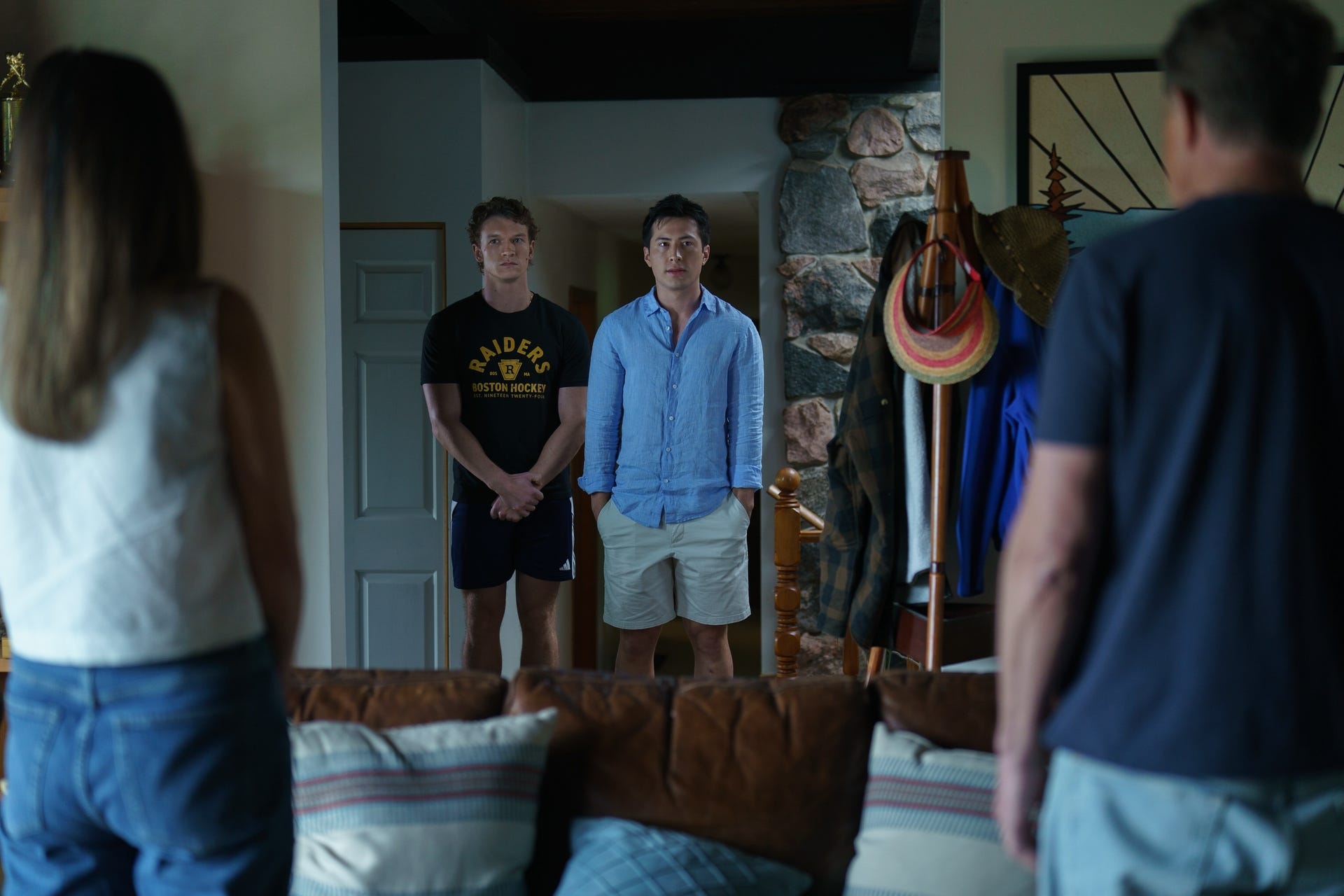
You just keep talking. And it’s not my vision. It becomes the collective vision. You hire people because you feel like they’re on the same page already, and then you dig in with them. Everything matters. Everything adds up to something. So all you can really do is make sure we’re on the same boat, going down the same river. Then, as a captain, you’re open to questions, being like, “Is it this or this? Who wants to talk to me?” And make sure people are talking to each other, right? If the set isn’t something Jackson can light properly, then what’s the point of a good set? If the wardrobe is standing out against whatever location we’re in, is it supposed to? Everybody has to be rowing in the same direction, and we really were on this show.
Sabrina Lantos
So you were foreshadowing the Heated Rivalry sequel The Long Game without knowing if you’d get a second season. How did you balance adding enough touches of foreshadowing while also making sure that, if it didn’t get picked up for another season, Heated Rivalry still felt complete?
Good question. I don’t know—I just tried. I was like, “I’m putting in enough things to keep this alive,” and you know, thankfully The Long Game does really stand on its own, so I wasn’t too concerned about that. I wanted to make sure that if this was a limited series, which kind of was the intention, ultimately, I always was gonna end it. And in the sense that it’s exactly the way it ends—which is like, is this an end for them? No, but it’s a concluding moment in their love story. They’re together, they’re happy, whatever their deal is, their future is together, right? They’re gonna deal with it moving forward together. The Long Game was going to become its own thing—I just had to make sure that I didn’t do anything that would fuck me.
At the beginning of this book, Rachel wrote that your work will change the way romance gets filmed. If someone wants to adapt a different romance story and picks up this book looking for clues on how you did it, what do you hope they take away?
Don’t adapt things you don’t love. Listen, we all have jobs, and I get it. And writing is a job ultimately, but if you can’t find something you love in the material, you’re not the right person for it. I think that there’s a cynicism to coming at things and being like, “I can fix that.” Don’t try to fix it till you try to make it work, right? Like don’t try to fix a thing that, according to hundreds of thousands of other people, is not broken. And I think that’s a big temptation among the kind of semi-factory process that is television. The reality is this is going to go through a lot of eyes. It’s going to go through a lot of notes. It’s important to know when you have to kind of hold fast and be like, “No, this is important to me. This matters. I’m not changing this.”
It’s also important to find your allies where you can, where you need them, and then respect them and listen to them, too. Because it’s not like I didn’t get notes; I got lots of notes. It’s just that you want the notes to be coming from a place of, “I love this. Here’s what I think would make it better,” instead of like, “I don’t love romance. Does it have to be this trick?” And then it’s like, “Well, then why would I listen to you if you don’t like this in the first place?” And I think that romance is very historically dismissed and dismissible, and I think that that is patronizing and misogynistic. It needs to be in the hands of, I think, frankly, women and probably queer men who love it, and who aren’t coming at it from cynicism or commercialism. What I always said is, “I think if I do this properly, it’ll be more commercial. I’m not making it less commercial. I think I’m doing the thing that is the most fan-forward or whatever, by taking it seriously.”
HBO
More From the World of Heated Rivalry:It also felt like you had a deep respect for the fandom.
I’ve got to say, it was for the book. Fandom is a thing I don’t understand, and I won’t pretend that I do. I’m thrilled that it’s there, but that is a bit of a mob. Like, I’m not always going to do what you want me to do. What I’m going to do is what I think is right for this book and this story. I hope that you understand that I’m coming from a place of love for this book and this story. If I’m changing something, it’s because I want to make it better in the way that I can tell this story better. Because ultimately, this does have to siphon through me. Fandom is a bit elusive to me, and it feels like if I try to make people I don’t know happy, I’m not gonna succeed. All I can do is try to do right by this book, and right by what I think this book needs, and trust myself. Which I know sounds a bit selfish, but ultimately I need to be the filter.
EXPLORE MORE OF BAZAAR’S OBSESSIONS MONTH