
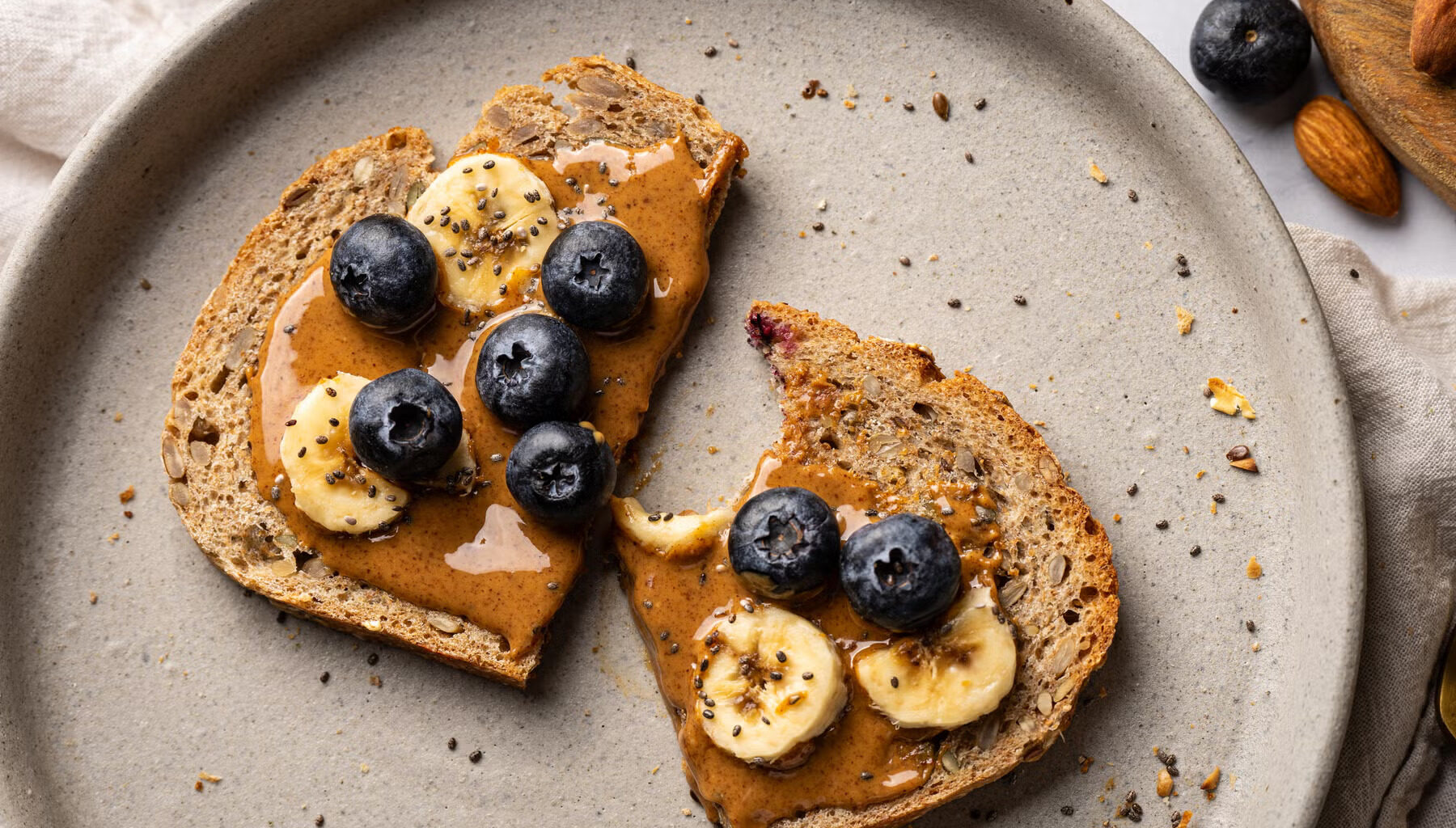
For all our advances in wellness – from tech that tracks every workout and sleep disturbance to protein-packed meals you can eat on the go – we’re still missing one basic health essential: most of us aren’t getting enough fibre.
Per Eat For Health, we should all be aiming to consume 25g to 30g fibre a day. However, the majority of adults are likely to average only around 20g a day. This paucity can wreak havoc with your digestive – and all round – health, according to Ro Huntriss, registered dietitian and founder of Fertility Dietitian UK:
‘Fibre influences our health in several ways. It supports good digestive health, helps regulate bowel movements, and contributes to a diverse gut microbiome – something we know plays a role in many aspects of our health including immune function, hormonal balance, and even mood. Fibre also supports our cardiometabolic health as it helps to regulate blood sugar control and can support healthy cholesterol levels.
Adequate fibre intake is associated with a lower risk of heart disease, stroke, type 2 diabetes and bowel cancer. And yet, many of us struggle to find ways to incorporate enough of it into our meals every day. This, Huntriss explains, is largely due to the fact that the Western diet is generally low in fibre: ‘As a population, we tend to eat fewer fruits, vegetables, legumes and wholegrains than recommended, while consuming more low-fibre, often ultra-processed foods.
There are several reasons for this shortfall, she says. ‘Many people favour the convenience and taste of processed options; whole and fibre-rich foods can take more time to prepare; and there’s often a lack of awareness around what good fibre intake actually looks like and how far off many of us are.’
If you’re having trouble filling your plate with fibre during mealtimes, don’t panic. ‘High fibre snacking can be a great way to increase your fibre consumption,’ says nutritionist Jenna Hope. ‘However, it’s important that the fibre is coming from whole foods rather than ultra-processed snacks with added fibre.’ By definition, a high-fibre snack is a snack which contains at least 6g of fibre per 100g, or 3g of fibre per 100 calories. Here, Huntriss and Hope share their favourite options.