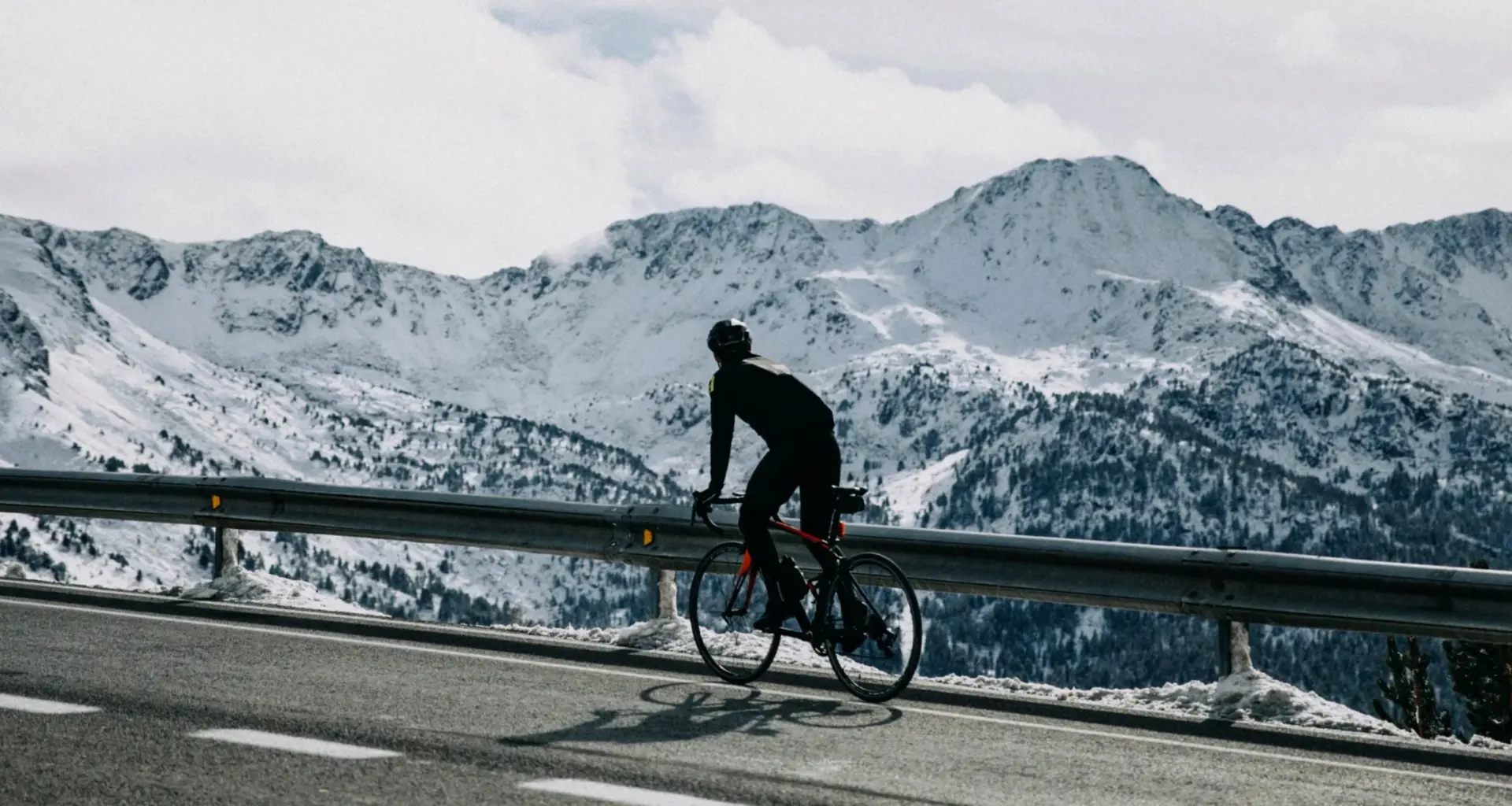
The colder months may conjure up images of aimless pedalling on the turbo or the constant pressures of racing on a virtual training platform or desperately covering up every inch of skin as you head outside and – my least favourite – wrestling with overshoes.
It sounds pretty unappealing, doesn’t it?
The good news is that doesn’t need to be your experience of winter cycling; training in the colder months doesn’t need to be lacklustre or be all about riding indoors, but you might not be able to avoid wrestling with overshoes.
We rounded up the experts, including a pro team coach and Olympic gold medallist, to find out exactly how to maximise winter training.
Related questions you can explore with Ask Cyclist, our AI search engine. If you would like to ask your own question you just need to , or subscribe.
1. Set a goal and structure sessions around it
 Andrew Grant / Cyclist
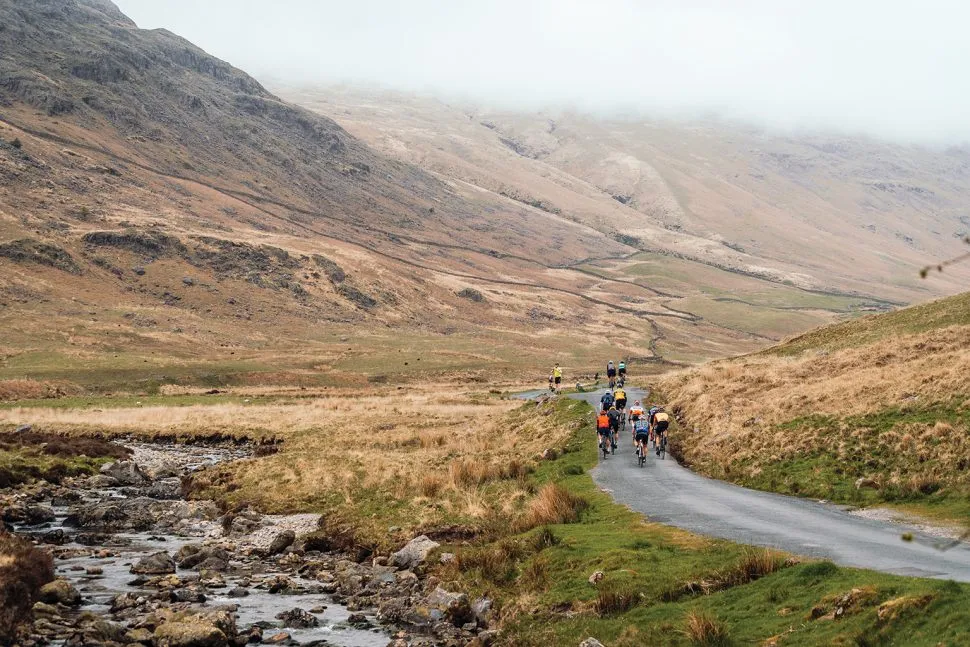
Regardless of your riding ability, the most important element is to establish your goal.
Are you aiming for a sportive or three next year? Are you planning to ride the Transcontinental Race? Or is it more about gaining some steady fitness and feeling good?
‘Fundamentally it’s about your goals and when your goals are,’ says Olympic gold medallist Dani Rowe, who is now a coach at Rowe and King.
‘It’s important to remember the time of year and the focus of that particular phase, as ultimately you’re trying to build up to the bigger goal later in this season so now it’s all about laying the foundations. It’s all about discipline and being consistent.’
2. Focus on consistent base miles
 Patrik Lundin / Cyclist
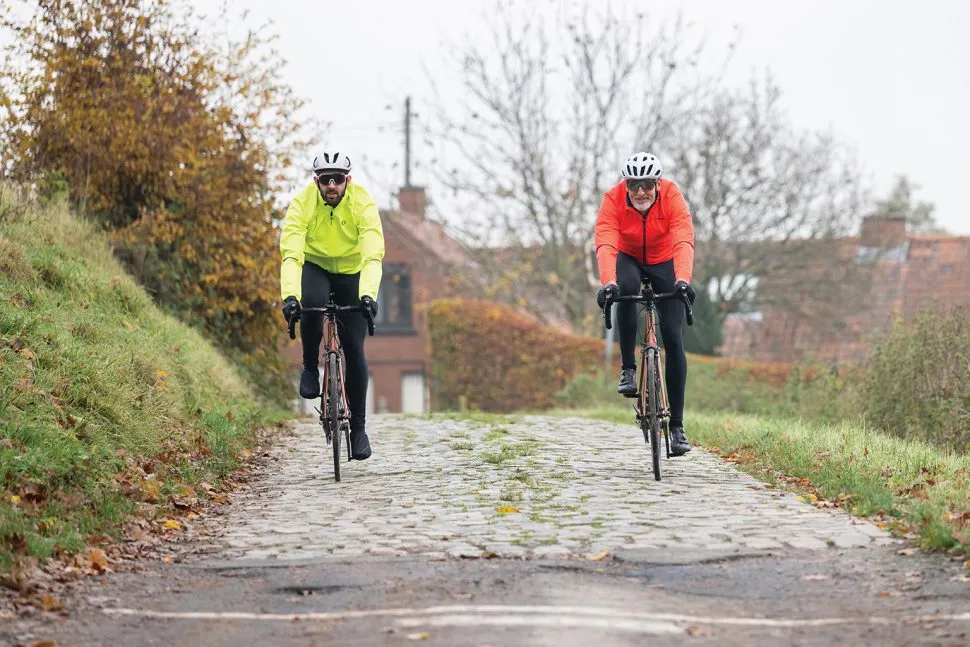
Once you’ve established your goal, it’s time to get consistent with being on the bike and develop your base fitness.
‘If your goals are summer based or super endurance based then the winter is about spending a lot of time racking up good quality aerobic work to develop that base and there needs to be an element of progression,’ says Rowe.
‘As a pro I would do a lot of volume over winter. Cycling is an endurance sport much of the time so volume is unavoidable.
‘Stacking up the sessions week to week and month to month is what’s going to give you the legs and the form on the bike come the season as opposed to what you do in any given one day.’
‘The first thing I suggest is to create a really good base and the endurance training is the key to this,’ agrees Luca Zenti, coach for pro team UAE Team ADQ.
‘This means riding in zone two and sticking to it. Monitor your heart rate so you don’t risk overdoing it as intensity should be secondary in the winter.
‘These base miles will help you support the intensity afterwards, as when you have a good base, you can then look at VO2 max training and build the intensity.’

3. Start low
 Joseph Branston
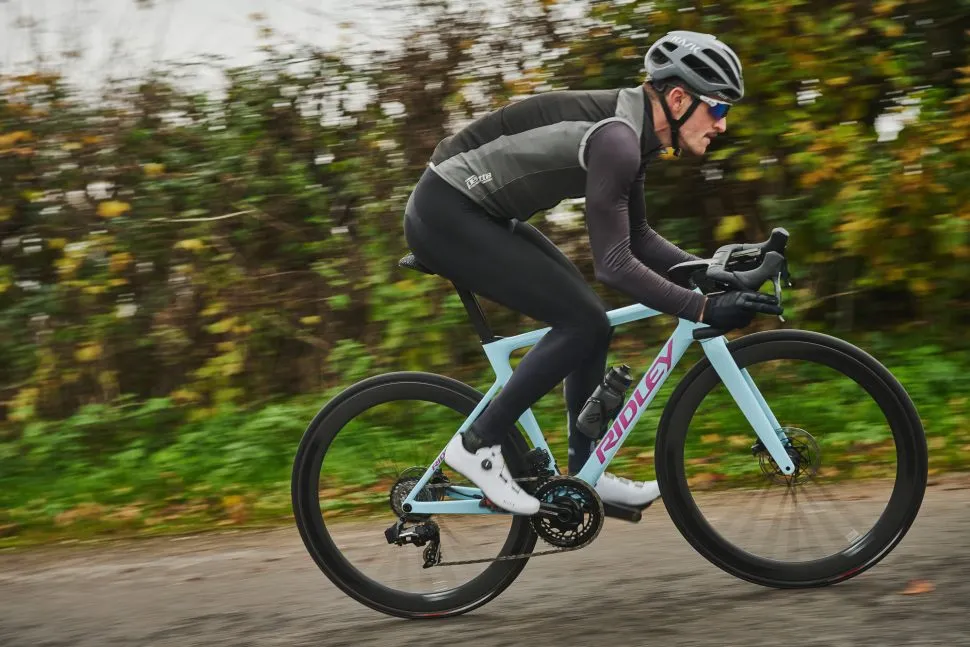
Striving for too much intensity can be detrimental, which is where efficient indoor training sessions are useful.
‘The intensity needs to be controlled and month by month you can gradually build it up and increase the volume,’ says Zenti.
“The science says an indoor session is good for this as you can prescribe the intensity and the riders can follow it, and you also don’t lose any time navigating through cities or riding in the cold.”
Zenti suggests incorporating an intense VO2 max session twice a week and looking at having a double threshold session closer to a race rather than in early winter.
‘Structured interval sessions should vary across the winter, and progress through difficulty and time at various intensities,’ adds cycling coach Henry Latimer.
‘As a typical structure you may begin with zone three tempo work in those sessions, extending time in zone, then move to zone four threshold work again increasing time in zone and then pushing into VO2 Max work in zone five targeting intensity as the main driver in those sessions.’
Managing the temptations to race your mates and other riders on virtual training platforms is also fundamental to staying in the right zone.
‘Don’t get sucked into training too intensely because it will bring about a surge in form,’ says Rowe.
‘With the popularity of e-sports racing for example, and these virtual online platforms like Zwift, it’s easy to get carried away and ride harder than you would ordinarily and race people up climbs and do Zwift-organised races.’
4. Vary the sessions
 Lizzie Crabb
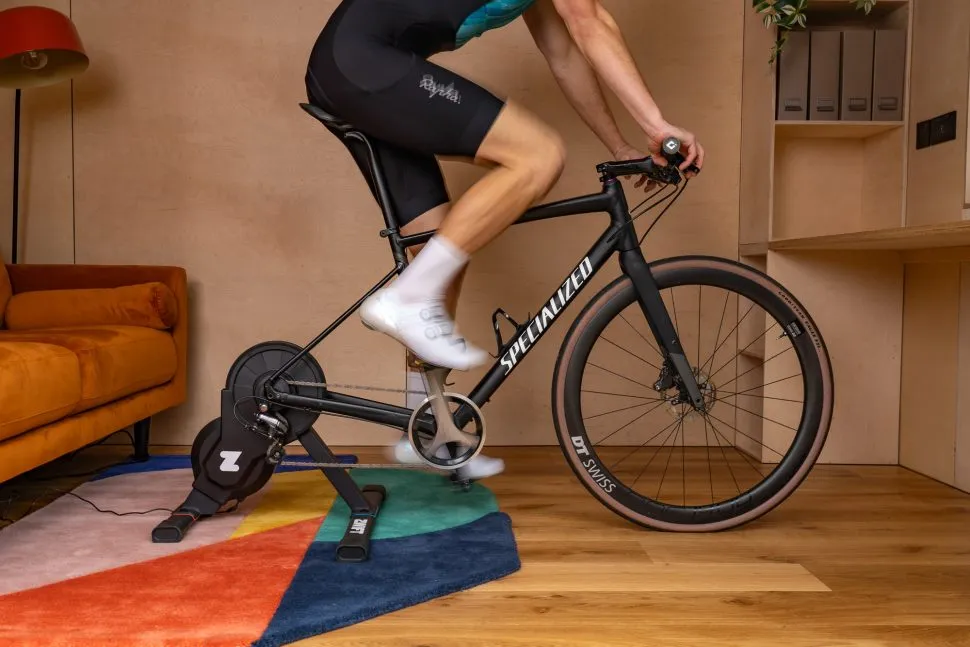
Riding inside can help structure training, as you can include specific sessions that help build progression and make training more interesting – essential for avoiding the monotony of the turbo.
‘The main thing is the specificity in training,’ says Rowe. ‘You normally jump on if you’ve got a purpose to that session. Make sure you structure the sessions and keep them varied and interesting.’
‘It’s not a case of doing the same sessions each week for 20 weeks of the winter. There needs to be an element of variety with regards to structure and intensity to make sure there’s a bit of progressive overload throughout, so you exit the winter stronger than you entered it.’
However hard you try to vary sessions, there’s no denying that riding on a turbo can be monotonous, especially for long rides.
‘An endurance ride indoor is really demanding, especially mentally, and it can be complicated to do this well,’ says Zenti. ‘Some riders support these rides, others don’t, for example Norwegian are used to it whereas the Italians struggle.
‘Metabolically speaking it is not the best, but you can always split the session. In the worst cases, I split the session into two parts and get the rider to do two hours in the morning and two hours in evening.
‘There are also some physiological aspects to bear in mind as the core temperature rises, stress through the body is high, so you have to carefully manage hydration and fuelling.’
5. Time to get strong

Strength training for cyclists is a fundamental part of generating power and speed, and winter provides the perfect opportunity for it.
‘If you want to be fast you need to be powerful, and if you want to be powerful on the bike then you need to be strong, so it all starts with strength,’ says Rowe.
‘Think about doing strength training on a day you also ride the bike so you do a double day. That’s a smart way to have a really good quality training day and then that allows you to have a rest day the next day.
‘Fundamentally your strength training should complement your bike riding so I’m not suggesting doing four or five strength sessions a week. You need to be prioritising cycling but supplement your cycling with strength training.’
Fitting in strength training doesn’t need to be big task either. Two sessions a week is enough and they don’t necessarily have to be time heavy.
‘You can do a 40-minute gym session, which can break up your day and can be a really good use of time that you can’t necessarily get on the bike,’ adds Latimer.
‘It’s about the minimum effective dose rather than as much as we can, 30 minutes is enough time for a constructive workout in the gym.’
6. Get off the bike
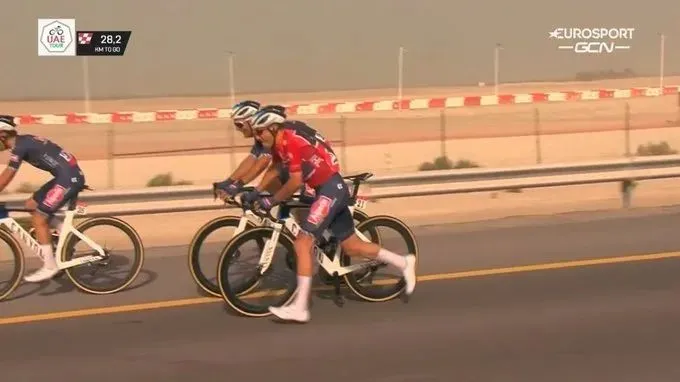
A lot of pros are running in the off season these days, Matthieu van der Poel recently ran a 10km in under 34 minutes according to his Strava, but that wasn’t always the case.
‘As a bike rider going back ten years ago, off the bike you were encouraged to do next to nothing but now there’s more widespread appreciation for the importance of being a functionally fit, healthy and strong human, let alone a bike rider,’ says Rowe.
‘We see people running 12 months of the year sometimes but certainly in the offseason as it’s good for cardiovascular health, for bone density but also it’s just something different so psychologically keeps you keeps you fresh.’
While pro riders are out there hitting PBs, it doesn’t mean you should be too.
‘These guys are still the fittest cyclists in the world so they might not be runners, but they are exceptionally aerobically fit,’ says Latimer.
‘Running can be really time efficient but do it in a way that you can recover from and go again.
‘You might find yourself in zone two or three but feel like you’re at your max because you can’t take that load in the same way that a runner would, so you have to build it up sensibly.’
Ultimately, how much training you should do over winter depends on you as a rider, your goals, but most importantly what is maintainable.
‘The most important part is the sustainability of a winter programme for a rider, as it’s going to get tough, wet and cold,’ adds Latimer.
‘If you can find a way that works for you to keep pushing yourself, whether that’s indoors, outdoors, in the gym or running but do it all winter then you’re going to be in a decent place come the warmer months.’
Two examples of a weekly winter training programme
By cycling coach Henry Latimer
Monday – Rest day
Tuesday – Strength
Wednesday – Short endurance ride / indoor session
Thursday – Structured interval session
Friday – Strength
Saturday – Structured interval session
Sunday – Long endurance ride
By UAE Team ADQ coach Luca Zenti
Monday – Strength
Tuesday – Structured interval session
Wednesday – Endurance ride
Thursday – Easy / recovery
Friday – Strength
Saturday – Structured interval session
Sunday – Endurance ride