
Melbourne was the second Ashes Test to finish inside of two days
The Sydney Ashes Test is facing renewed fears of a shortened finish after the Boxing Day debacle at the Melbourne Cricket Ground reportedly left Australian cricket staring at losses of around $25million.
That damage, driven by lost ticket sales, reduced hospitality revenue and broadcast shortfalls after a two-day Test, has heightened fears that another disrupted Sydney match would worsen both reputational and commercial fallout.
Now, attention has shifted to the Sydney Cricket Ground, a venue long haunted by a weather curse that has repeatedly undermined Test matches played during the height of summer.
Historical data paints a grim picture, with at least 26 full days of Test cricket washed out at the SCG since the 1880s, more than three times the number lost in Melbourne despite the MCG hosting more matches.
Even when entire days have not been abandoned, rain has fallen on roughly a third of all playing days in Sydney Tests, making interruptions almost a defining feature of the New Year fixture.
January, when the Sydney Test is traditionally staged, is one of the city’s wettest months, a reality that continues to clash with cricket’s desire for uninterrupted five-day contests.
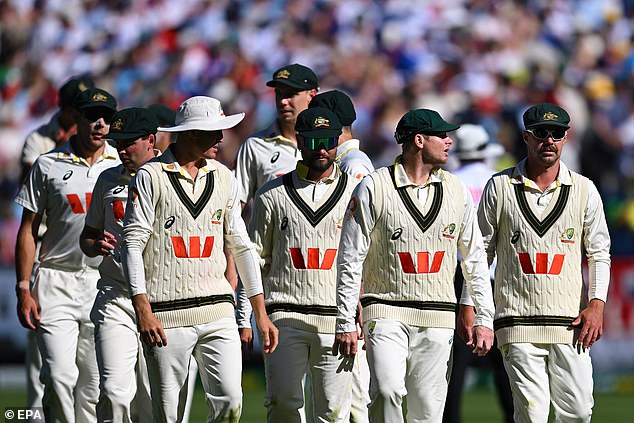
Australia suffered a shock loss in the Boxing Day Test which finished inside of two days
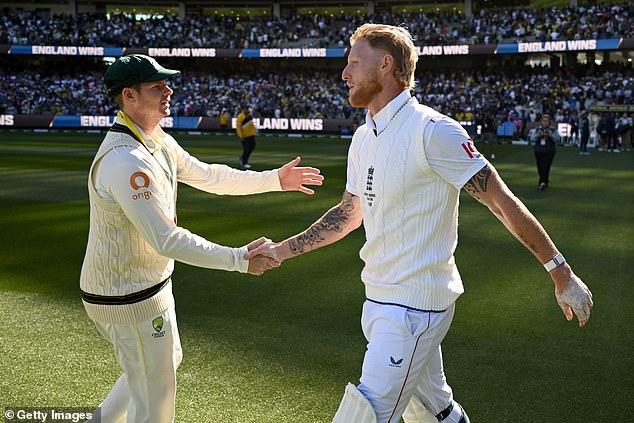
With sellout crowds expected on days three and four, Cricket Australia suffered heavy losses because the match was finished so quickly
Sydney also records the highest average annual rainfall of any major Australian Test city, exceeding 1200mm a year and even outpacing subtropical Brisbane.
Climate experts have long noted that easterly winds, coastal humidity and summer thunderstorms combine to make Sydney uniquely vulnerable to rain delays during the cricket season.
The concern for Cricket Australia is that even brief interruptions early in the match could compress the Test and encourage aggressive play aimed at forcing a result.
That scenario mirrors what unfolded in Melbourne, where wickets fell in clusters and the match spiralled rapidly toward an early finish.
At the MCG, 36 wickets fell in just 142 overs, prompting the International Cricket Council to later rate the pitch unsatisfactory and issue a demerit point.
While the sanction itself was limited, the financial and reputational consequences were anything but.
Broadcasters were left privately furious as scheduled days of coverage evaporated, costing millions in advertising revenue and sparking urgent conversations behind the scenes.
Those losses have only heightened the stakes for Sydney, where another weather-affected Test would be seen as a compounding failure rather than an unfortunate coincidence.
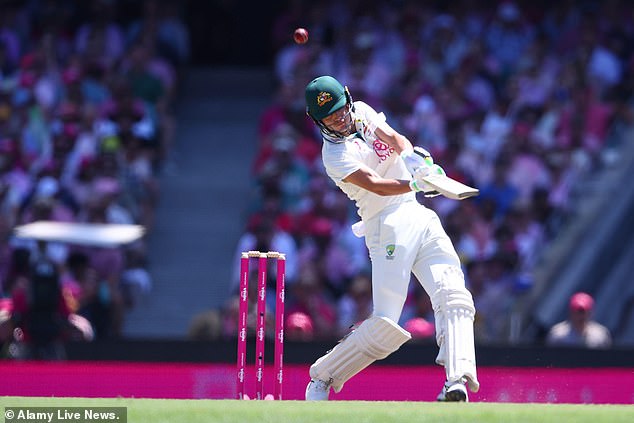
Two of the four Ashes Tests held in Australia so far have finished inside two days, prompting fears it could happen again in Sydney
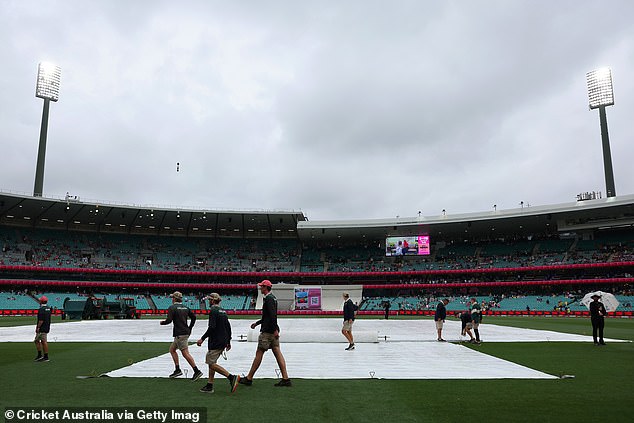
Sydney has the added issue of rain being a constant threat in January, robbing spectators of play time
Australia’s selectors are also managing heavy workloads among the fast bowlers, adding another layer of complexity if rain forces stop-start play and extended sessions.
Spin options loom as a way to manage fatigue and control tempo, particularly if humid conditions soften the surface.
Veteran opener Usman Khawaja is confirmed to play at the SCG, a ground where he debuted and one that could yet carry added significance amid uncertainty over his future.
England, buoyed by their dominant Melbourne win, will be alert to any sign that weather or conditions again tilt the contest toward a rapid conclusion.
The SCG has staged famous farewells and dramatic finales, but rarely has it hosted a Test under such intense financial, historical and meteorological scrutiny.
After a Boxing Day farce that cost tens of millions, Sydney’s notorious rain curse now looms as the single biggest threat to another Ashes Test slipping away far sooner than anyone can afford.
Share or comment on this article:
Why Sydney Ashes Test could be a WORSE result for Cricket Australia after $25million Boxing Day Test wipeout