
Reserve Bank boss Michele Bullock has been seen leaving her $4 million Sydney home just hours after slamming mortgage holders with another interest rate rise.
Property records show Bullock bought her family home in Five Dock in April 1991 for $285,000, securing a foothold in Sydney’s inner west when prices were a fraction of today’s values, even though interest rates were then sitting at historic highs.
At the time, the standard variable mortgage rate was about 11.5 per cent, down from a peak of 17.5 per cent in January 1990 under the Hawke government.
However, as a Reserve Bank employee, Bullock was eligible for a concessional staff mortgage, allowing her to pay interest at roughly half the standard rate, significantly reducing the cost of servicing the loan.
The mortgage was fully repaid by 2000, with property data group Cotality now estimating the home could be worth up to $4 million.
More than three decades on, the property’s soaring value reflects Australia’s long-running housing boom, one that has widened the gap between established homeowners and younger Australians struggling to break into the market.
Her declaration of interests also shows she and her husband own two investment properties, located in Drummoyne and Chiswick.
The two-bed Drummoyne apartment was purchased in March 2012 for $670,000 and could now be worth as much as $1.45 million.
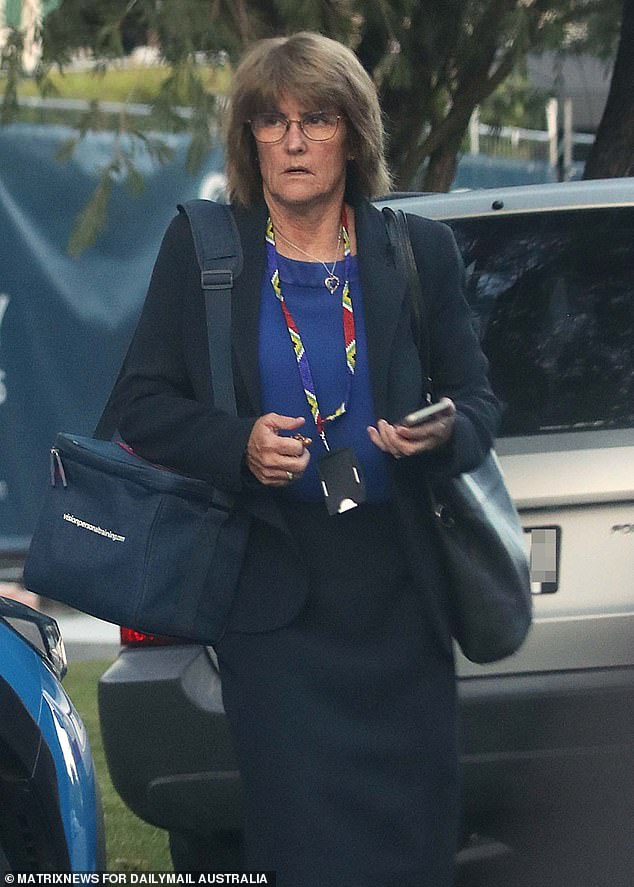
Michele Bullock (pictured) on Tuesday reversed one of the only three rate cuts Australia had last year following 13 rate hikes seen in 2022 and 2023
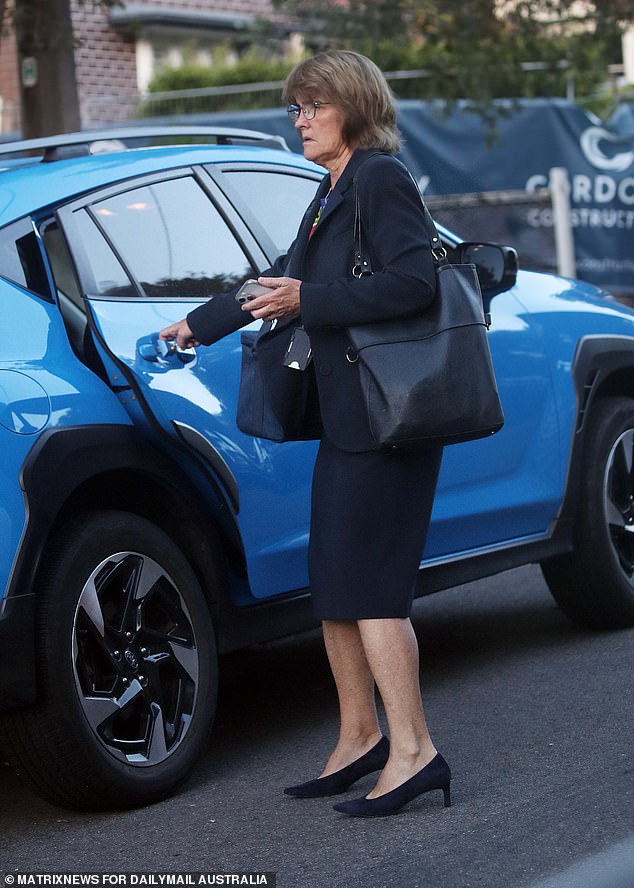
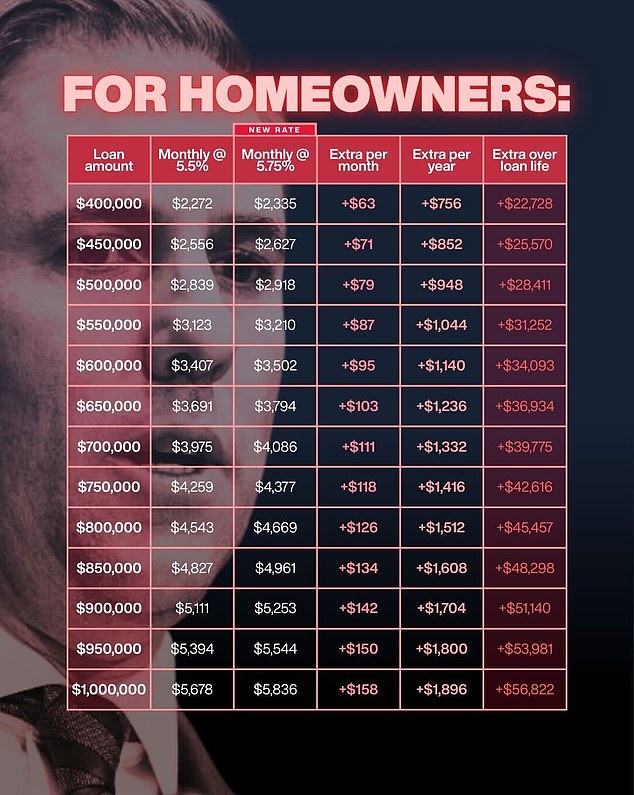
An owner-occupier with a $600,000 mortgage and 25 years remaining would see their minimum monthly repayments rise by $90 as a result of Bullock’s decision
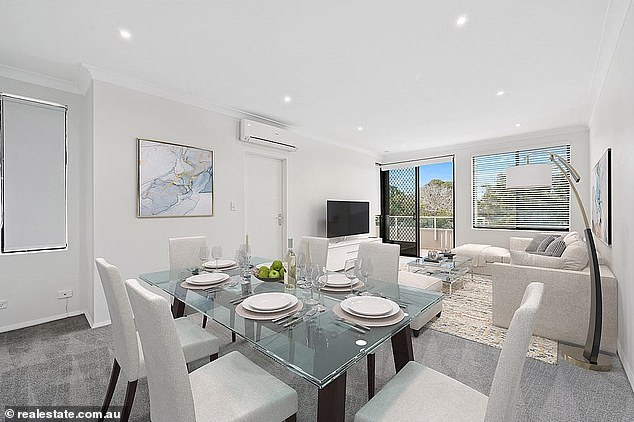
Bullock’s Drummoyne apartment (pictured) was purchased in March 2012 for $670,000 and could now be worth as much as $1.45million
The second investment property in Russell Lea was purchased in a twin sale in November 2007 for $522,000. Eighteen years after the apartment was last sold, it is now worth an estimated $1.17 million.
The RBA’s decision to lift the cash rate by 0.25 percentage points to 3.85 per cent will drive up repayments for households already buckling under inflation, high borrowing costs and rising living expenses.
According to analysis by Canstar, an owner-occupier with a $600,000 mortgage and 25 years remaining would see their monthly repayments rise by about $90 if banks pass the increase on in full.
For borrowers with a $1 million loan, repayments would increase by about $150 a month.
The Reserve Bank has repeatedly argued higher interest rates are necessary to return inflation to its target band, even as mortgage stress rises and consumer spending slows.
Since becoming governor in September 2023, Bullock has acknowledged the strain higher rates place on households but maintained controlling inflation remains the central bank’s primary responsibility.
‘I do understand that for mortgage holders, this isn’t a great outcome,’ she said on Tuesday after announcing the increase.
‘What’s also not great for them or for anyone else is if inflation remains elevated because every time they go to the shop, every time they go to buy their groceries, every time they go to get personal services, medical, if inflation is high, that’s going to keep going up.’
Join the debate
Is it fair for leaders making tough calls on rates to benefit from perks and a soaring property market?
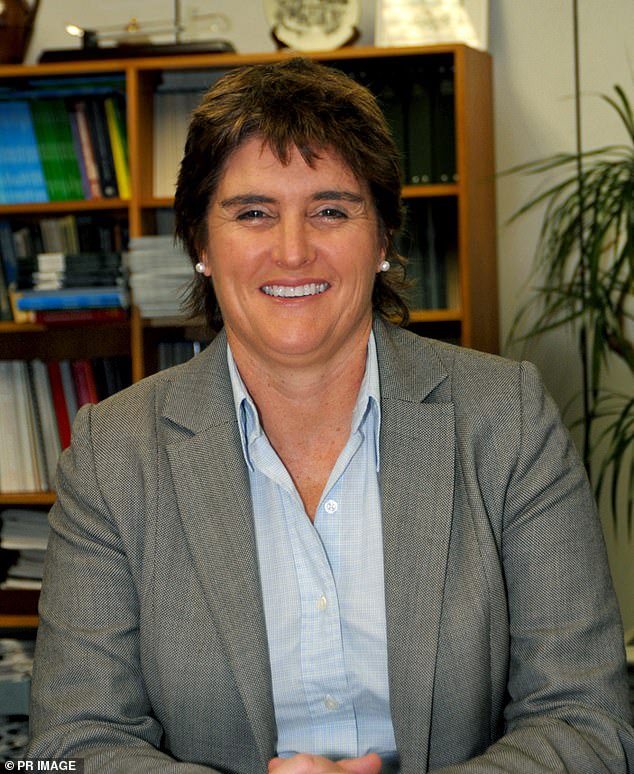
Bullock is a veteran of the Reserve Bank. Above, she is seen in December 2010 after she was appointed assistant governor of the currency division
Treasurer Jim Chalmers said the decisoin would be tough for many households.
‘Now, this will be difficult news for millions of Australians with a mortgage and we understand the pressure that this puts on Australian families and businesses. While today’s decision was widely expected, obviously that doesn’t make it any easier,’ he said on Tuesday.
Chalmers rejected claims from the Opposition and some economists who argued that government spending had helped drive inflation higher.
‘The statement released by the independent Reserve Bank explaining the decision that they’ve taken today does not mention government spending at all. In fact, it makes it very clear that pressure on inflation is coming from private demand,’ he said.
‘Growth in private demand has strengthened substantially, more This is the point that the Reserve Bank has made today. Pressure on inflation, the big contribution to the growth in our economy, is from private demand and not public demand.’
AMP chief economist Shane Oliver said the decision was a ‘very close call’, arguing the central bank could have held rates steady.
‘The decision means that the RBA has already reversed one of the only three rate cuts we saw last year, which of course followed 13 rate hikes seen in 2022 and 2023,’ he said.
‘Once passed on to mortgage holders it will leave mortgage rates around levels prevailing 13 years ago.’
Mr Oliver said the Reserve Bank had signalled it would remain data‑dependent, with March‑quarter inflation figures, due in late April, likely to be pivotal ahead of the May board meeting.
Housing affordability has worsened sharply since the early 1990s.
Median house prices in Sydney and Melbourne now sit at multiples of average household incomes, while the deposit required of first‑home buyers far exceeds what was needed when Bullock entered the market.
Unlike today’s borrowers, many Australians who bought homes in the early 1990s benefited not only from falling interest rates over time, but also from strong wage growth and decades of capital gains.
For current mortgage holders, the latest rate rise means higher repayments with little immediate prospect of relief.
For aspiring buyers, the gap between incomes and house prices continues to widen.
Cotality head of research Gerard Burg said national dwelling values have increased 9 per cent since the Reserve Bank’s easing cycle began in February 2025, adding roughly $75,000 to the median home value.
‘This rate hike is likely to reduce some of the demand side pressure,’ he said.
‘The hike will reduce the borrowing capacity of buyers, with a median income household in Australia losing around $18,000 from their mortgage limit.
‘This could push an increasing number of buyers from mid -tier properties to lower quartile ones, leading to higher demand on the urban fringes and regional markets close to capital cities.’
Michele Bullock’s Reserve Bank career
1985: Joined as intern spending next 13 years in economic group and international department roles
1998 to 2007: Chief manager, payments policy department
2007 to 2010: Head of payments policy department
2010: Adviser, currency group
2010 to 2015: Assistant Governor (Currency)
2015 to 2016: Assistant Governor (Business Services)
2016 to 2022: Assistant Governor (Financial System)
2022 to 2023: Deputy Governor
2023 – ongoing: Governor