
Bree Maher lives in one of Australia’s hottest towns, so when she started experiencing perimenopause, she did not know what to believe.
“You just start to question really everything,” Ms Maher said.
“Am I just really exhausted and tired because it’s work and it’s hot?
“It becomes quite a lonely place to be.”
Ms Maher lives in Onslow, which is more than 1,300 kilometres north of Perth and has the joint national record for reaching 50.7 degrees.
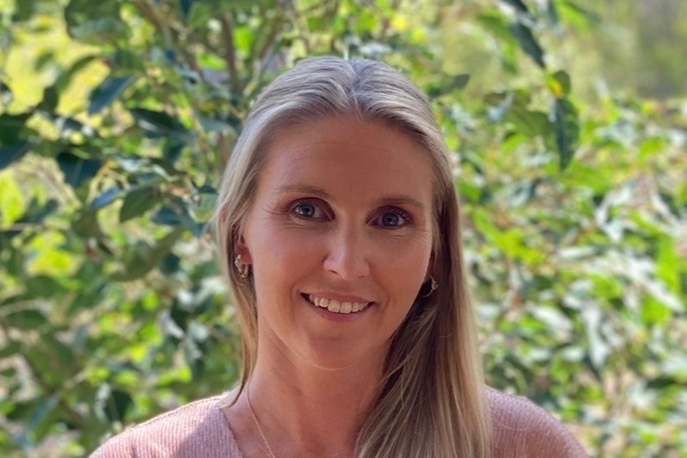
Onslow resident Bree Maher. (Supplied: Bree Maher)
Ms Maher is calling for greater menopause education in regional and remote areas this International Women’s Day.
After almost a year of seeing a local doctor, then a female locum doctor, she eventually secured a telehealth appointment with an online women’s health clinic.
“I finally felt like someone was listening to me. I felt validated. I felt like I wasn’t going crazy.”
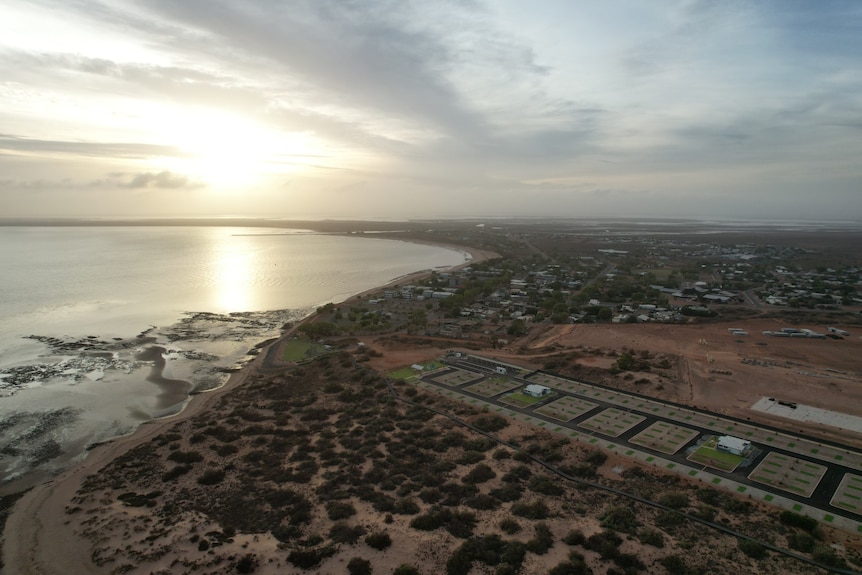
Onslow is more than 1,300 kilometres north of Perth, the nearest capital city. (ABC Pilbara: Alistair Bates)
However, she said regional patients still lacked access.
“Why do I have to find a doctor on the other side of the country that’s going to listen to me via a screen to actually take my symptoms seriously?
“The information is out there, the support systems are out there, but they’re not here at a regional level.”Regional support
A Senate inquiry into menopause and perimenopause released in September 2024 found some trainee doctors were getting as little as one hour training in their degrees in menopause and perimenopause.
In response to the inquiry, menopausal hormone therapies were added to the Pharmaceutical Benefits Scheme for the first time in two decades under last year’s federal budget.
The package also saw a Medicare rebate for menopausal health assessments introduced, funding to train health professionals, and the promised development of first-ever national clinical guidelines.
Pilbara Cosmetic and Wellness founder Jessica Evans said her patients felt the inexperience in menopause education.
“Every single person is different … I still see copy and paste happening from woman to woman and getting treated the same as the woman that was previously kind of seen,” Ms Evans said.
“Just because she’s the same age and same symptoms, they’re kind of treated the same.”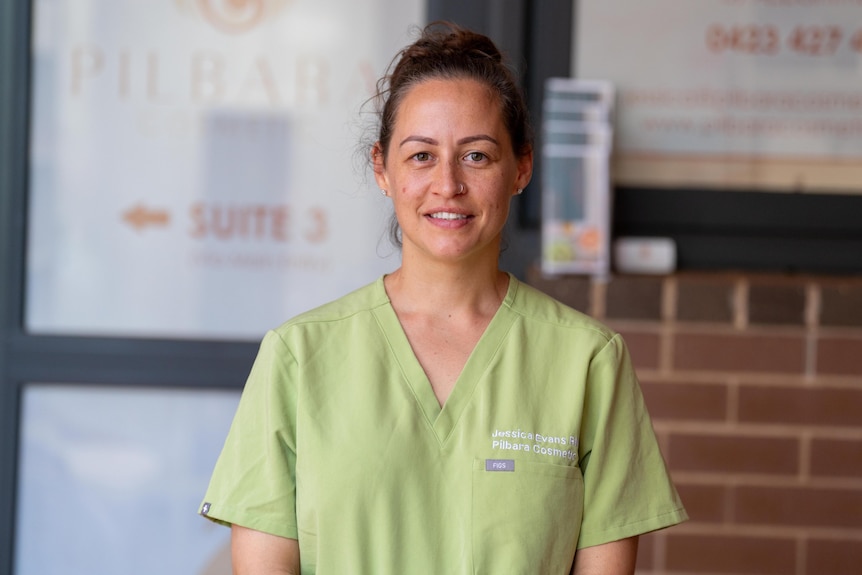
Jessica Evans runs health workshops in regional and remote Pilbara towns. (ABC News: Kimberley Putland)
Ms Evans runs women’s health workshops in remote towns like Onslow and Pannawonica educating women about health changes.
She said she’d seen stories like Ms Maher’s all throughout the Pilbara.
“A lot of women think they’re alone,” she said.
“I can all see them nodding when I kind of talk going, yes, like, wow, yep, tick, tick, tick.
“They’ve kind of silently been living with these symptoms, not realising that they could be doing something about them.”
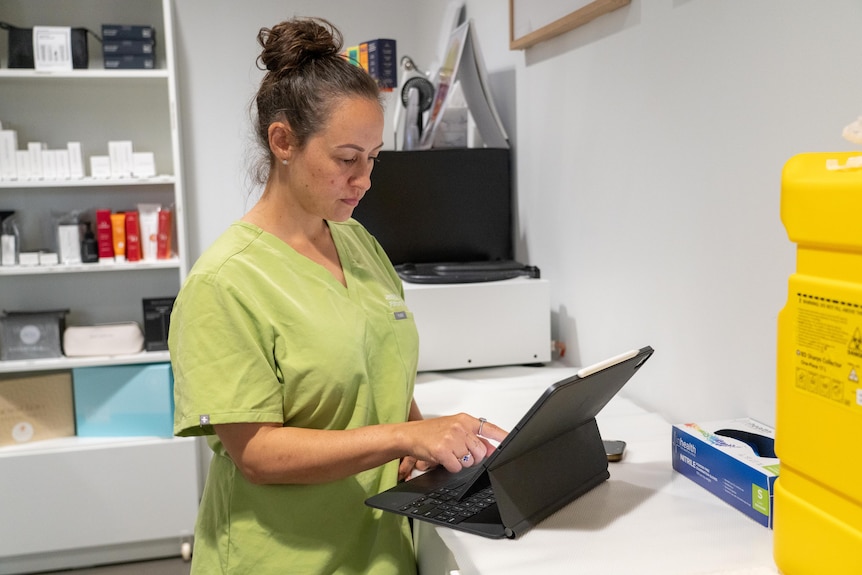
Jessica Evans says many women think they are alone and so live silently with their symptoms. (ABC News: Kimberley Putland)
Climate impacts on Pilbara women’s health
Adviser for advocacy group Women Deliver, Louisa Wall said climate change exacerbated challenges in Pilbara women’s health, where effects were felt on a daily basis in one of the hottest regions in the world.
“[Pilbara] climate impacts are ongoing rather than episodic,” Ms Wall said.
“I can’t imagine having to live in temperatures of 40 degrees on a daily basis.
“It does pivot back to services that women need in those extreme heats, and particularly women who are in different states like pregnancy or going through childbirth, postnatal recovery.”
Ms Wall said the impact of climate had physical, mental, and care burdens.
“Climate change, we call it, acts as a stress multiplier,” she said.
“Mental health challenges seem to be one of the other takeaways from your region that may be more exacerbated because of … the chronic stress that you’re having to live through — just the daily existence of the temperature.”
‘Keep trying’
Ms Evans said despite the remote nature of the Pilbara, there was often more support available locally than people realised.
“I think it starts with education,” she said.
“I definitely feel we don’t have all of the resources, but we do have a lot of services and I think a lot of people don’t know about them.”
Ms Maher said access to support was vital for small communities to thrive.
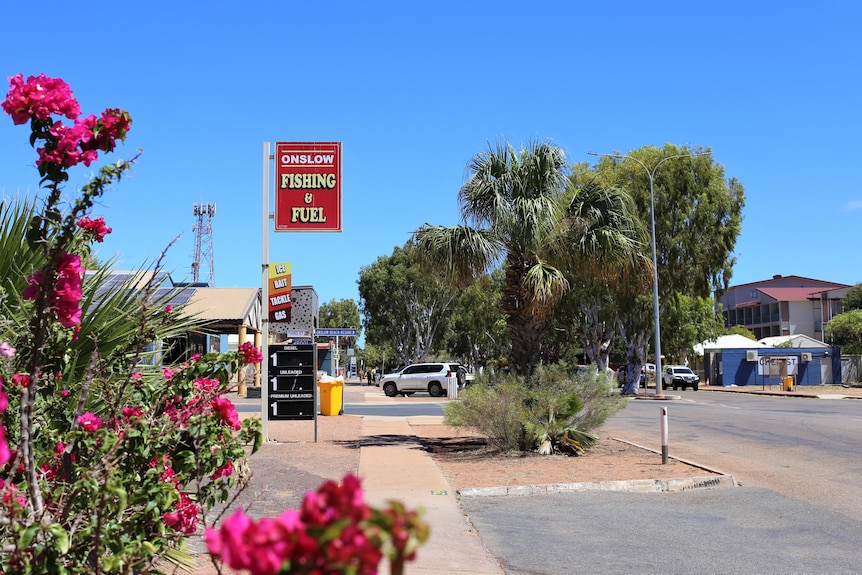
Ms Maher says services for regional towns are not where they need to be. (ABC News: Alice Angeloni)
‘We’re the volunteers in our community — we’re the glue that holds our small towns together,” Ms Maher said.
“It’s really important that we make sure that women have the support services that they do, that we increase the livability of our communities as well.”