
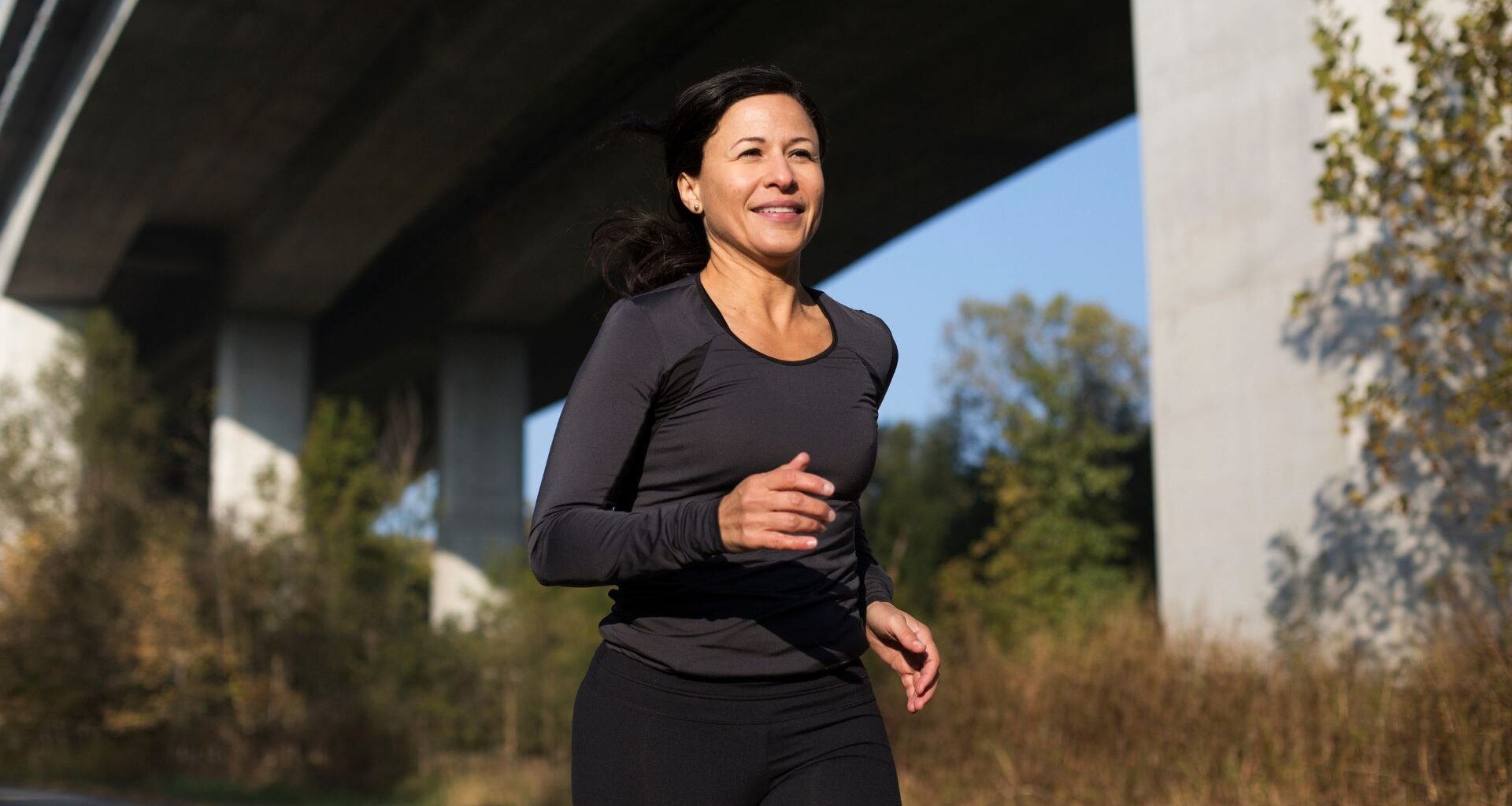
Some of the most common running injuries are caused by “increasing mileage too quickly, skipping rest days, neglecting sleep, and relying solely on running without strength training,” says Helen O’Leary, a physiotherapist at Complete Pilates who’s helped hundreds of runners over the years.
If you’re new to running, you might think that running builds muscle on its own, so what’s the need for weights? While running goes some way, it doesn’t beat even a simple dumbbell workout or some weighted Pilates for building muscle and joint stability.
Article continues below
You may like
Pilates for runners exercises
Helen has recommended these exercises. They could be done as part of a class, or at home in your own time on your mat. Doing them a few times a week will help improve your core and lower body strength.
If you have any questions about the exercises, you should speak to a Pilates instructor or physiotherapist first.
1. The Scooter
Glute exercises at home: Pilates Scooter – YouTube
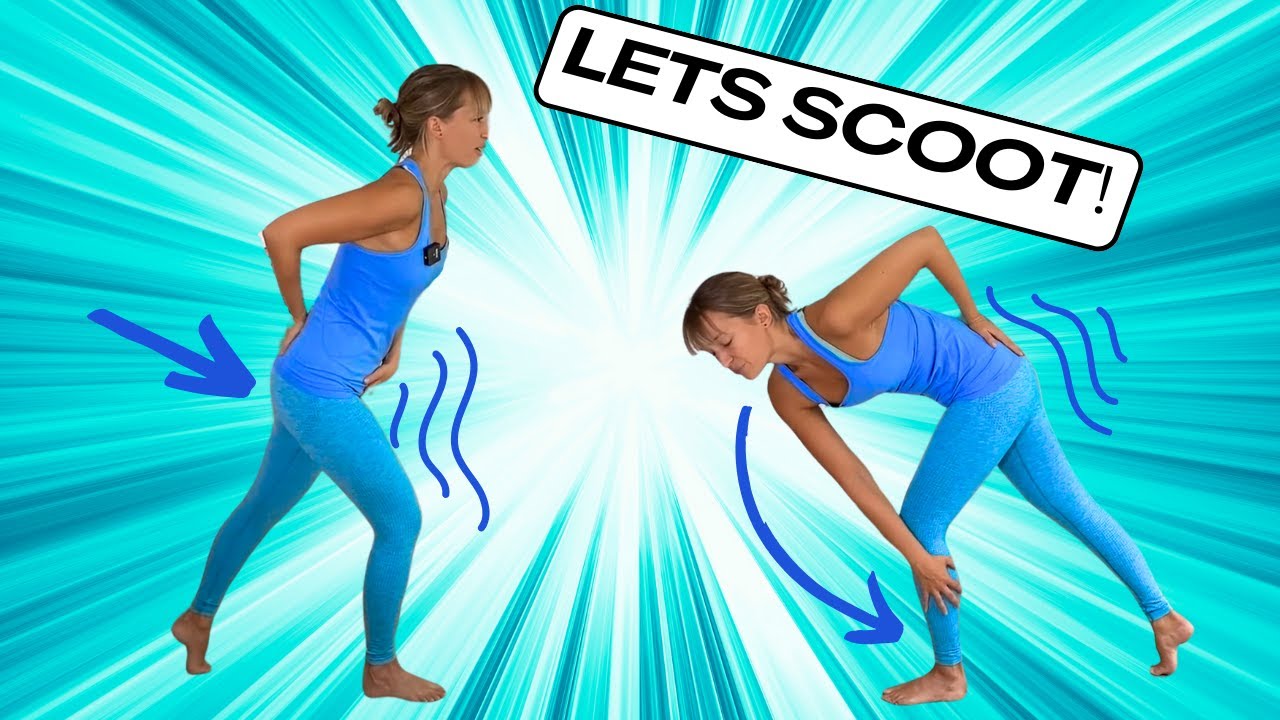
The Scooter “focuses on endurance through the posterior chain (muscles on the back of the body), which are often less active, as well as teaching pelvic stability and control,” says Helen.
Here’s how to do it:
Stand with your feet slightly apart and sit your hips back and down.Inhale, bring one leg up off the floor.Exhale, and bring that leg out behind you and then bring it back in.Make sure your pelvic stays still.
Expert tip: If you find this exercise too easy (because you’re a regular on the Pilates mat or in the gym), then you can make it harder by doing it on the reformer or adding in some resistance bands. Wrap the band around your legs, just above the knee, making sure it’s strong enough, and complete the exercise as above.
![Fokky Resistance Bands [set of 5], 100% Latex Exercise Band for Women and Men, Skin-Friendly Resistance Fitness Exercise Loop Bands 5 Levels for Legs and Glutes, Arms, Pilates, Yoga-Carry Bag Included](https://www.newsbeep.com/au/wp-content/uploads/2026/03/9HPKsHHHUz2iLDDrCVLThC.jpg)
Fokky
Resistance Bands – 5 pack
Resistance bands are also among the cheapest Pilates accessories you can buy. They work to make basic bodyweight exercises harder. In turn, this makes your muscles work harder, which triggers improvements in strength.
2. Jumping on the reformer
Jumping on Reformer #pilates #plyometrics #classicalpilates – YouTube
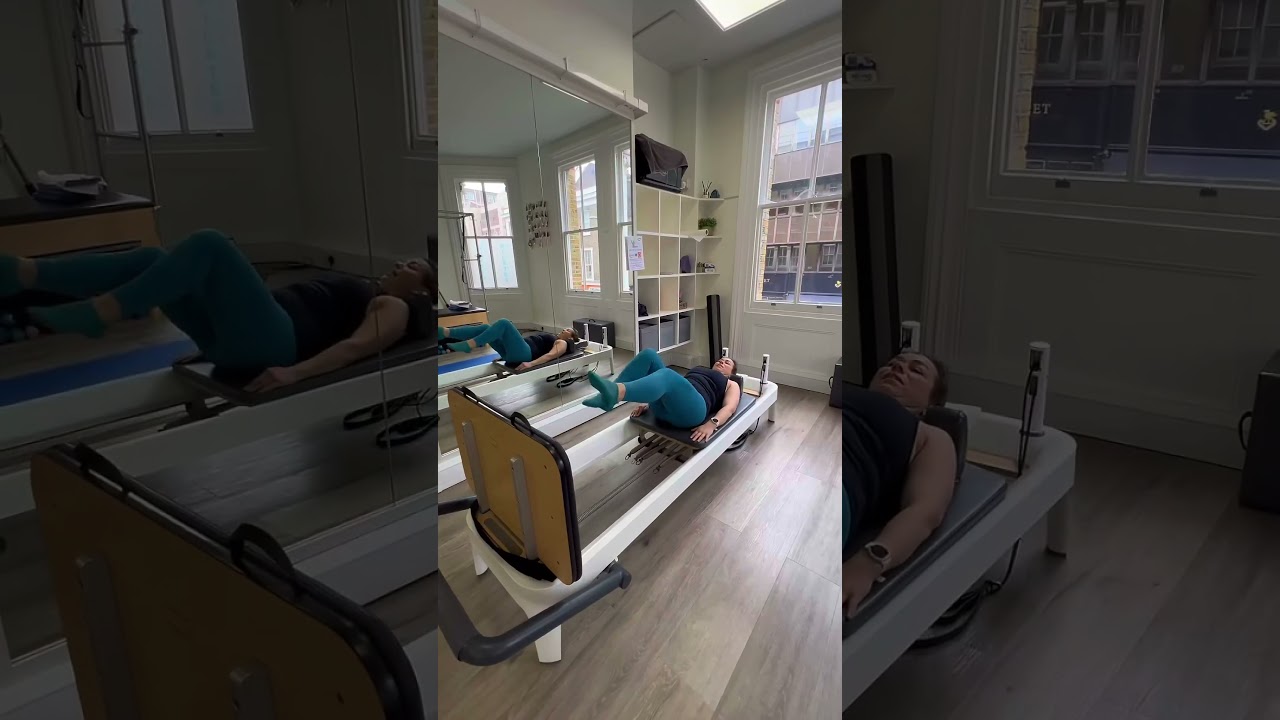
This horizontal move involves using your legs to bounce yourself off the Reformer bar or a board to slide up the carriage. Helen says it’s “great for building up power in the calf muscles, which will help you with pushing off during running, but it’s also really challenging for the abdominals, because every time your feet leave the board, you have to use your core to hold your legs up.”
What to read next
Here’s how to do it:
If you don’t have a reformer machine, there are several other exercises (using bodyweight or light dumbbells) you can try. Most similar will be the classic squat, glute bridges, or mountain climbers.
3. Dead bug
Abs Exercises at Home: Pilates Dead Bugs – YouTube
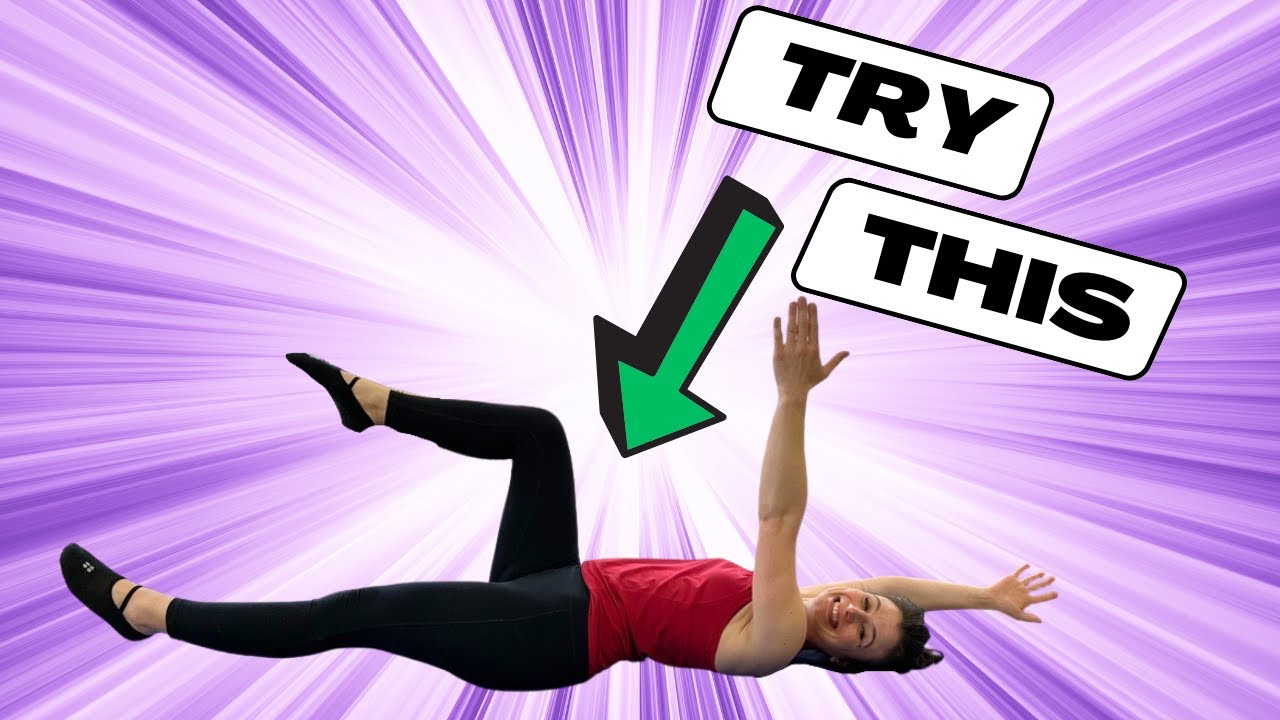
If you’re a regular to Pilates classes then you’ll be familiar with the dead bug exercise, which is key for your core and back muscles. “We are also working with opposite arms and legs, so this means that we are challenging the obliques and your rotational strength, which is really important for running,” Helen explains.
“The great thing about this exercise is that you can easily regress it – by keeping your leg bent, or working legs and arms separately – or you can challenge yourself further by adding hand or ankle weights.”
Here’s how to do it:
Lie down on your back with your knees bent.Bring your knees up into a ‘tabletop’ position (that’s with your knees bent at 90 degrees), keeping a natural spine curve.Raise your arms and point them straight up to the ceiling.Push your right leg forward while raising your left arm over your head at the same time.Bring your arm and leg back to the starting position.Switch and repeat the movement on the other side.How can Pilates help runners?
Pilates is a great complementary exercise for runners as it “focuses on the alignment between the hip, knee and ankle,” says Helen, and strengthens the muscles in these joints.
“Reformer Pilates in particular is really helpful for runners, because it can challenge them at a high level, and also can involve more standing exercises, especially single-leg exercises, that are functionally relevant,” she explains.
Pilates also requires stability on one part of your body while moving another, which Helen says is a skill that “promotes efficient movement” within the body. While having access to a reformer is great, a regular mat Pilates workout at home requires no equipment and uses many of the exercises above. Even doing 10 minutes of Pilates a day can make a difference.