
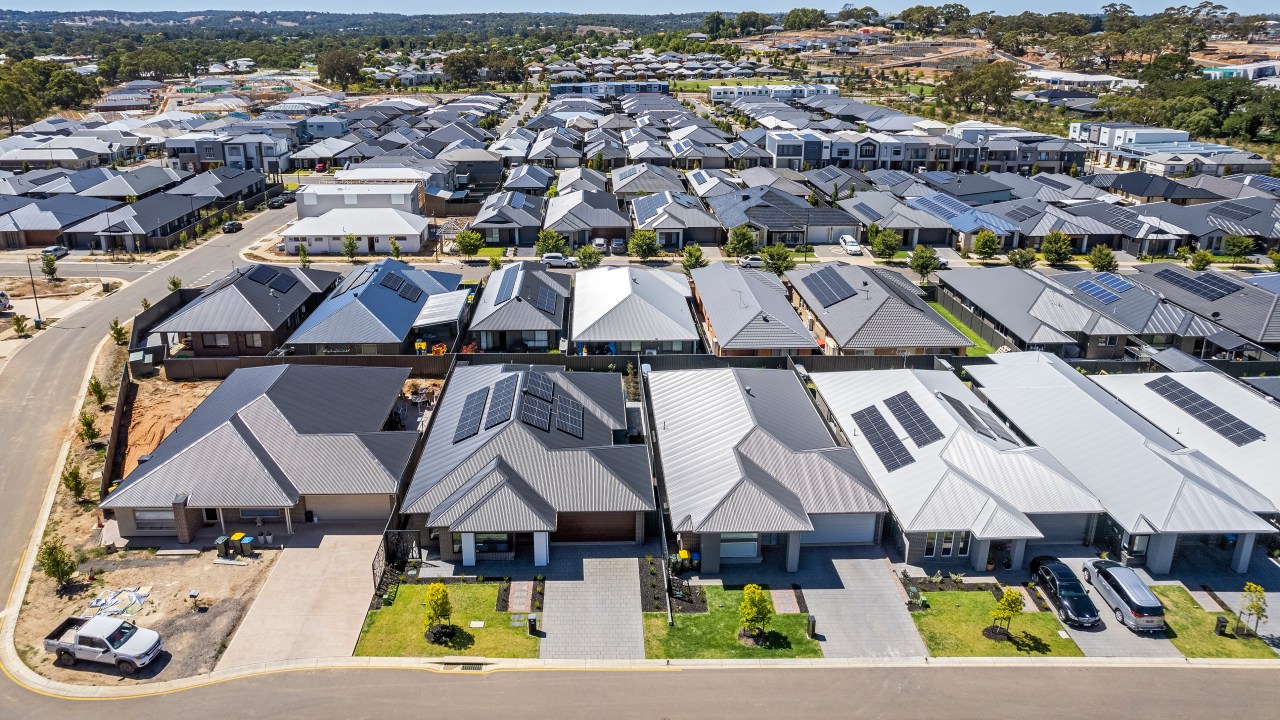
Property owners are facing a triple hit this year as house price growth slows, mortgage costs rise and tax reforms loom in the May budget.
Macquarie expects national house price growth to ease to 2.5 per cent in 2026, down from nine per cent in 2025, as higher borrowing costs weigh on buyers and the rush for cheaper homes under the government’s five per cent deposit scheme fades.
“With the RBA hiking interest rates, the risk is that price growth slows sharply across Australia,” the report said.
ANZ has issued a similar forecast, tipping growth of 2.8 per cent this year and 2.1 per cent in 2027, citing higher interest rates and weak confidence.
Metropole founder Michael Yardney said the softer outlook was not surprising, with the market now facing headwinds that were not present earlier in the year.
“There are now some headwinds that weren’t around at the beginning of the year, when forecasts were more positive,” Mr Yardney told News.com.
“The RBA has raised interest rates twice and is likely to raise them again as inflation remains stubborn.”
He said weak consumer sentiment and broader cost-of-living pressures meant “both buyer and seller sentiment have softened”, but stressed slower growth did not mean prices were about to fall.
“Values will keep rising, but more slowly and in a fragmented way,” he said.
Mr Yardney said chronic undersupply and strong population growth were still putting a floor under prices, although Sydney, Melbourne and the more expensive end of the market were likely to feel the greatest pressure from higher rates.
Deyon mortgage broker and former RBA economist Martin Eftimoski said he could also see price growth slowing in the short term, particularly if interest rates rise further and tax settings are tightened.
“Certainly, further interest rate rises and changes to the taxation regime could affect the pace of growth,” Mr Eftimoski said.
But he said there was still considerable uncertainty around both the rate path and any budget changes.
“So, it is a lot of speculation that will likely need to be revised over the course of the year,” he said.
Mr Eftimoski also said Macquarie’s assessment of the 5 per cent deposit scheme losing momentum was “overdone”, arguing it was still materially boosting demand for cheaper homes even if weaker conditions at the top end were dragging down the overall average.
“The scheme’s impact on cheaper properties is pretty substantial,” he said.
He said Treasury modelling may understate the effect because it looked at the market in aggregate, while lower-priced properties were continuing to record relatively strong growth.
“Treasury’s modelling saying it wouldn’t be very impactful was at the aggregate level, but when you look at lower quantile properties you can see they are growing fairly rapidly,” Mr Eftimoski said.
He added the scheme was “not really even close to capacity” and said many buyers were still hesitant to take on extra debt, suggesting awareness and take-up could build over time.
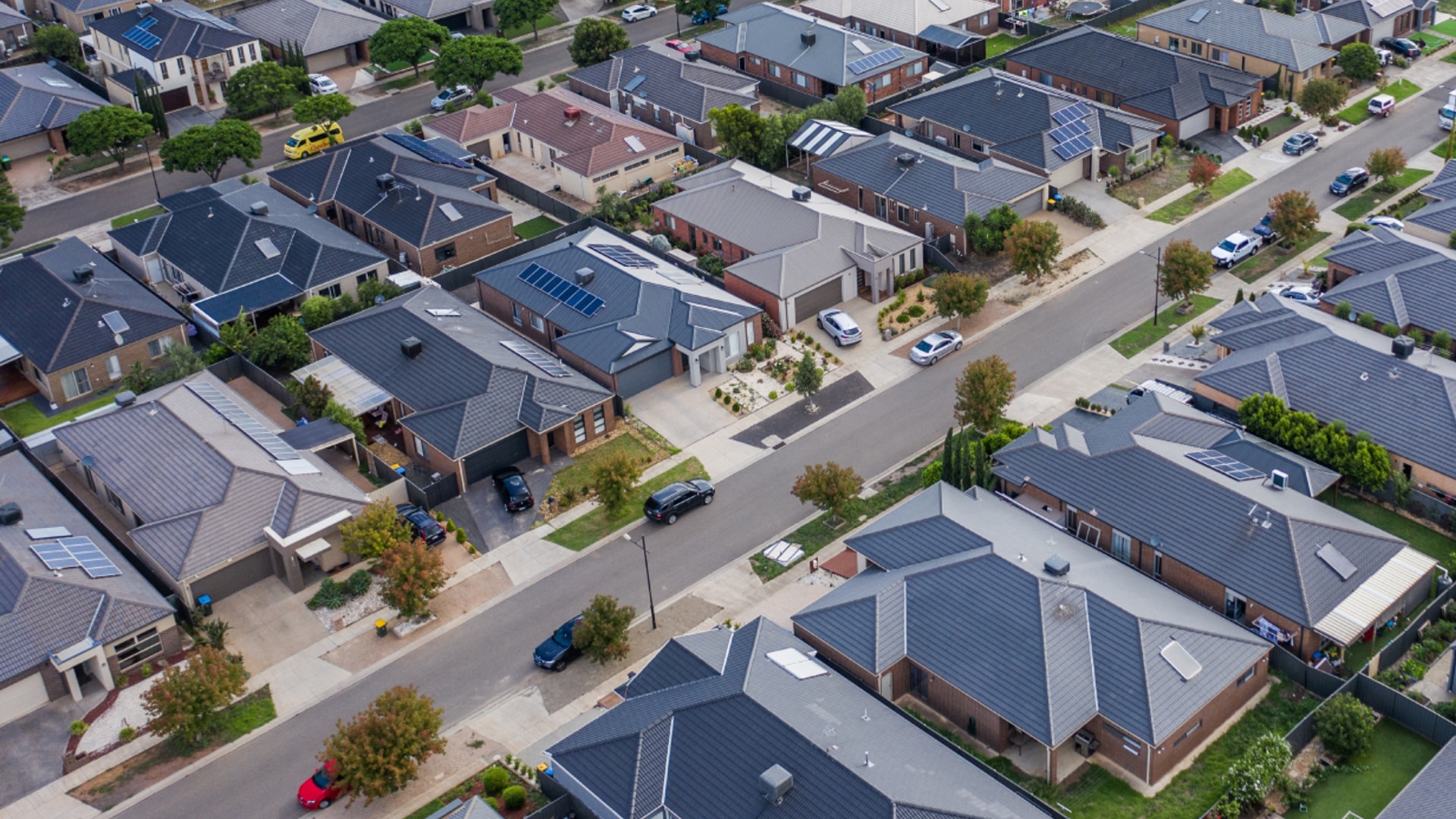
REA senior economist Angus Moore spoke to Sky News and said the softer auction market reflected the pressure of rising rates, persistent inflation and falling consumer confidence.
“You know, we’d expect to see a bit of a cooling in conditions with rates rising, particularly as these rate rises are a bit sooner and a bit steeper than perhaps we’d been expecting,” Mr Moore said.
He said borrowing capacities were shrinking as mortgage costs rose, leaving housing affordability at its weakest in decades.
“In terms of the share of homes that a typical home buyer could afford the mortgage on, it’s as low as we’ve seen in three decades at the moment.”
Mr Moore said the higher end of the market usually weakens first when rates rise, while more affordable segments tend to hold up better.
“As we see rates rise, we’d expect to see that pattern repeat. You know, we see buyers push towards those more affordable segments, support prices in those more affordable segments as borrowing capacities reduce,” he said.
He said prices were still rising, but the pace of growth was expected to slow this year.
“We’d expect to see a slower pace of growth this year than what we saw last year.”
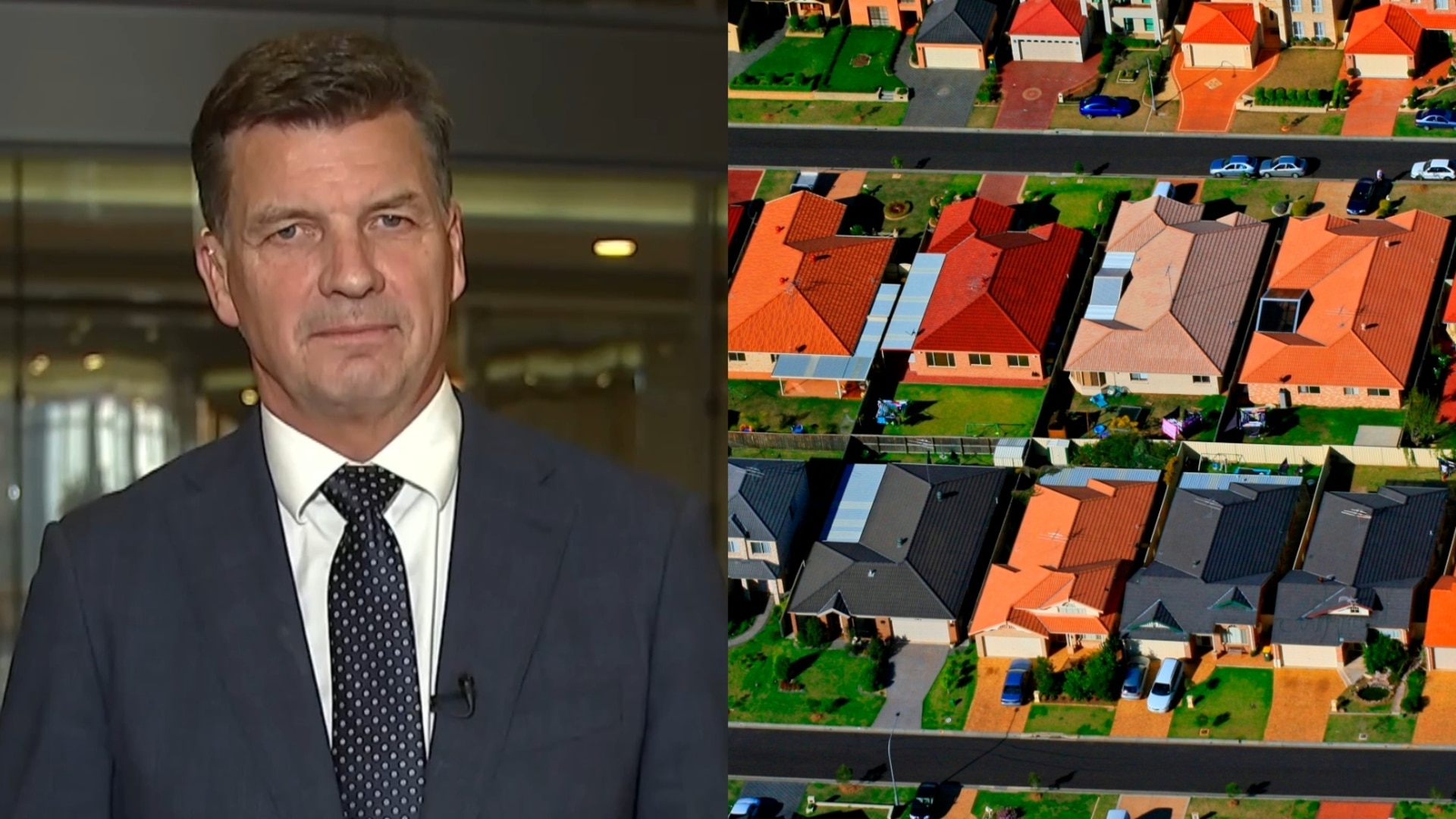
The debate over tax reform is centred on whether investor tax breaks are making Australia’s housing affordability problem worse.
Proposed changes are expected to focus on the capital gains tax discount and negative gearing, two incentives long used by property investors, amid concerns they are fuelling demand without doing enough to boost the supply of affordable homes.
Economists have warned any move to curb investor demand could be poorly timed, with housing construction already under pressure and investors accounting for a significant share of new dwelling purchases
At the same time, major banks are forecasting more mortgage pain, with ANZ, CBA and NAB all tipping the cash rate will rise by 25 basis points to 4.35 per cent in May, while Westpac expects a more aggressive tightening cycle taking rates to 4.85 per cent by August.
Investors could also be hit in the May budget, with the government believed to be considering a cut to the capital gains tax discount from 50 per cent to 33 per cent, while negative gearing may be limited to two properties.
The result is a market under pressure from multiple directions, even if most economists still expect home values to keep edging higher.